


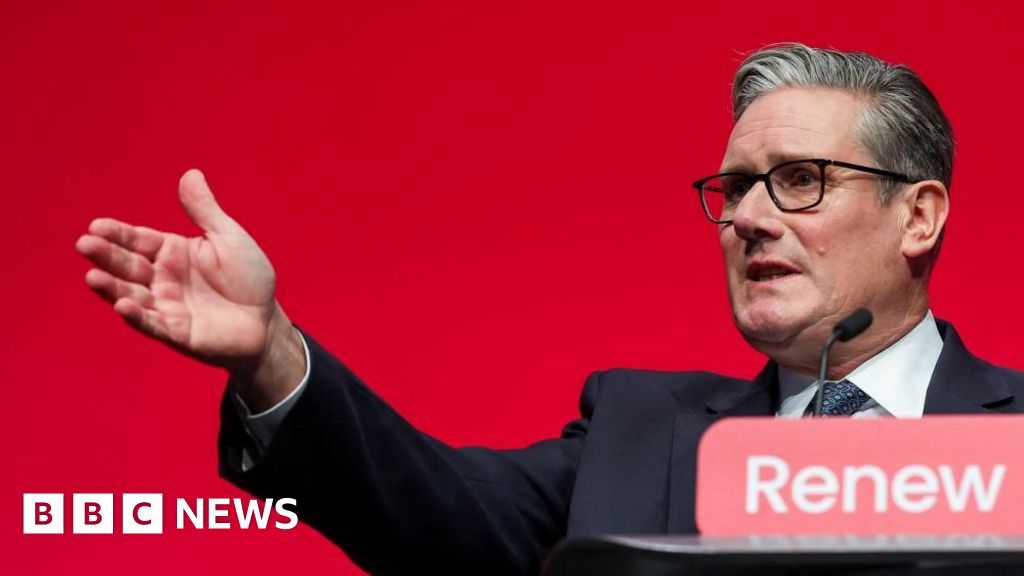

Starmer Vows to Push Forward Amid Internal Party Pressures
London, UK — Newly elected Prime Minister Sir Keir Starmer has pledged to focus on governing despite growing dissent within his own Labour Party, including resistance from MPs and emerging cabinet divisions. The declaration comes just days after Labour’s landslide victory, signaling early challenges in maintaining party unity while delivering on ambitious policy promises.
Starmer, who secured a historic majority in last week’s general election, faces immediate pressure from both progressive and centrist factions within Labour. Some MPs are pushing for faster action on key pledges like NHS reform and green energy investment, while others urge caution to avoid alienating moderate voters. Behind the scenes, cabinet members have reportedly clashed over spending priorities and the pace of legislative change.
Internal Strains Emerge Early
Senior Labour figures have privately expressed concerns that internal disagreements could stall Starmer’s agenda. One unnamed minister described the cabinet as “a coalition of competing priorities,” reflecting the broad electoral coalition that propelled Labour to power.
Starmer, however, remains publicly resolute. In a statement, he emphasized that his government would not be “distracted by noise” and would prioritize stability and delivery. “The British people voted for change, and we will deliver it,” he said. “That means making tough decisions and staying focused on the long-term interests of the country.”
Policy Challenges Loom Large
The Prime Minister’s immediate challenges include addressing the cost-of-living crisis, reducing NHS waiting times, and negotiating post-Brexit trade relations with the EU. Economic pressures, including high public debt, limit fiscal flexibility, forcing Labour to balance bold promises with fiscal restraint.
Critics argue that Starmer’s cautious approach risks disappointing voters who expected rapid transformation. Meanwhile, business leaders and international allies are watching closely to see whether Labour can maintain investor confidence while pursuing progressive reforms.
Why It Matters
The early friction within Labour highlights the delicate balancing act Starmer must perform. With a large parliamentary majority, he has the mandate to govern decisively—but internal divisions could weaken his ability to act swiftly. How he navigates these tensions will set the tone for his premiership and determine whether Labour can sustain its electoral momentum.
Looking Ahead
If Starmer succeeds in uniting his party, he could reshape Britain’s political landscape for years. Failure, however, risks reinforcing public skepticism about Westminster’s ability to deliver meaningful change. The coming weeks will test whether Labour’s internal disputes remain manageable or escalate into a broader crisis of governance.
For now, Starmer’s message is clear: the work of governing has begun, and distractions will not be tolerated. The question is whether his party will follow.
