


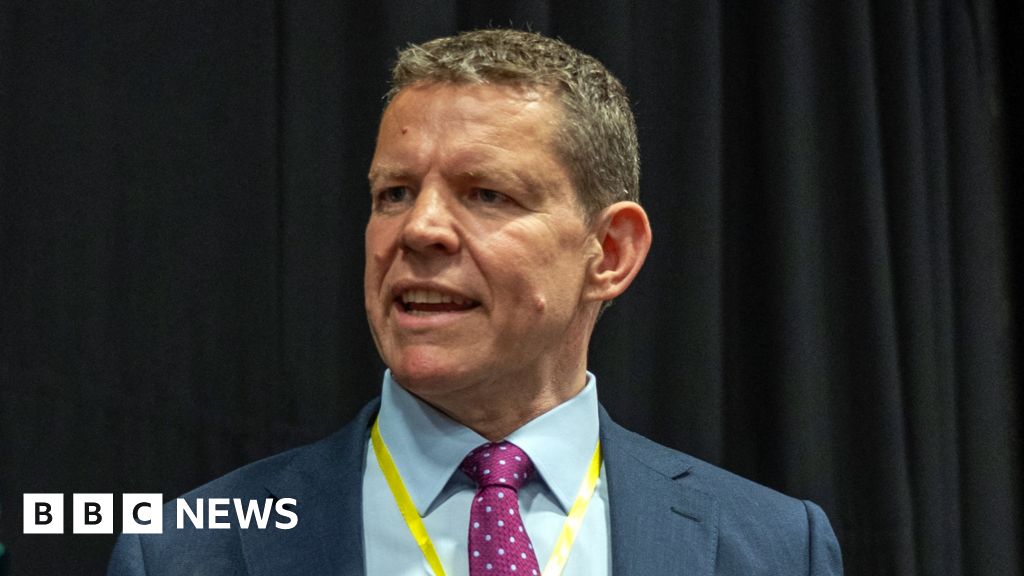

Welsh Leader’s Budget Hotel Stay Sparks Debate After “New Dawn” Declaration
Cardiff, Wales – Just hours after proclaiming a “new dawn” for Wales, Plaid Cymru leader Rhun ap Iorwerth was spotted checking into a budget hotel chain, raising eyebrows and fueling discussions about political symbolism and fiscal responsibility.
The Welsh nationalist leader’s choice of accommodation followed a high-profile speech in which he vowed to usher in transformative economic and social reforms for the nation. Yet his decision to stay at a modest hotel—reportedly costing under £100 a night—has drawn both praise and skepticism from political observers and the public alike.
A Night of Contrasts
Ap Iorwerth’s declaration of a “new dawn” came during a rally in Cardiff, where he outlined ambitious plans to revitalize Wales’ economy, invest in green energy, and strengthen Welsh language protections. His rhetoric struck a chord with supporters, who see him as a fresh alternative to the dominant Labour Party.
However, the optics of his subsequent stay at a budget hotel chain have sparked debate. Supporters argue it demonstrates fiscal prudence and a commitment to public service, while critics question whether it undermines his message of bold change.
“Leadership isn’t about luxury—it’s about priorities,” said a Plaid Cymru spokesperson. “Rhun’s choice reflects his belief in responsible spending, especially when public funds are tight.”
Opponents, however, suggest the move was a calculated publicity stunt. “If you’re promising a revolution, shouldn’t your actions match your words?” asked one political commentator. “Staying in a budget hotel doesn’t automatically make you a man of the people.”
The Bigger Picture: Austerity and Perception
The incident highlights a broader tension in Welsh politics. With the UK government imposing strict spending limits, Wales faces significant budget constraints. Ap Iorwerth’s party has long criticized Westminster for underfunding devolved services, making fiscal responsibility a key campaign issue.
His hotel stay could be seen as an attempt to embody that message. Yet in an era where political theater often overshadows policy, the gesture risks being dismissed as performative rather than substantive.
Public reaction has been mixed. Some voters applaud his humility, while others argue true leadership requires boldness in both words and actions. “If he wants to inspire confidence, he should lead by example—not just symbolism,” said one Cardiff resident.
What’s Next for Plaid Cymru?
The episode comes at a critical time for Plaid Cymru. With Welsh Labour facing internal divisions and growing dissatisfaction over public services, ap Iorwerth’s party sees an opportunity to gain ground. His “new dawn” rhetoric is clearly aimed at positioning Plaid as the party of change.
Yet the challenge will be turning symbolic gestures into tangible policies. If ap Iorwerth can translate his budget-conscious image into credible economic plans, he may strengthen his appeal. If not, critics will likely dismiss him as all talk.
For now, the debate over his hotel stay serves as a microcosm of larger questions facing Welsh politics: Can a leader balance frugality with ambition? And in an age of skepticism, do symbolic acts still resonate with voters?
As Wales watches, ap Iorwerth’s next moves will determine whether this “new dawn” brings lasting change—or fades into another political footnote.
