


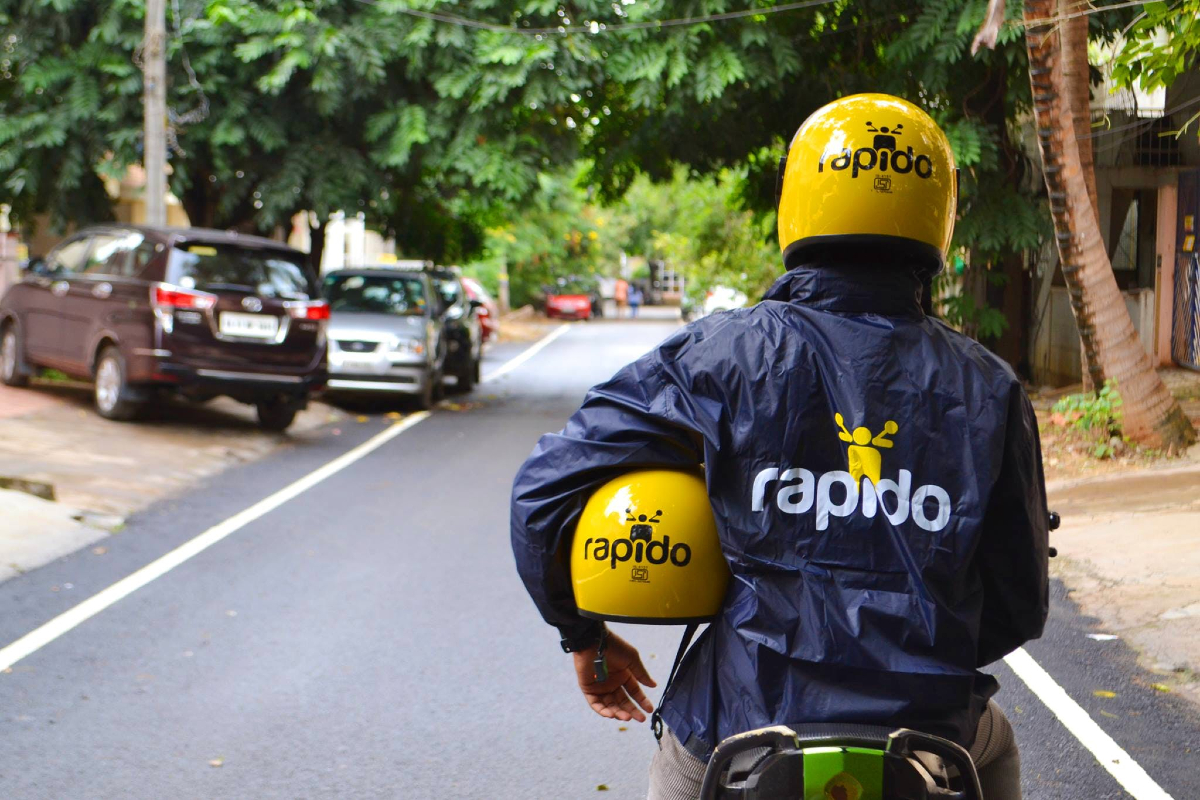

Rapido Raises $240 Million in Fresh Funding, Valuing Indian Ride-Hailing Giant at $3 Billion
Bengaluru, India – Rapido, the Indian ride-hailing platform known for its motorcycle and autorickshaw services, has secured a significant $240 million in its latest funding round, propelling its valuation to $3 billion. The investment, led by global technology investment firm Prosus, underscores the growing investor confidence in India’s mobility sector despite its inherent challenges. Existing backers, including WestBridge Capital and Accel, also participated in the round, which forms part of a larger $730 million primary and secondary financing initiative. This marks a notable leap for Rapido, which was last valued at $2.3 billion during a secondary transaction in 2025.
The fresh capital infusion signifies Rapido’s ambition to solidify its position in India’s fiercely competitive ride-hailing market, which is characterized by intense price wars, regulatory complexities, and persistent profitability concerns. The Bengaluru-based startup, founded in 2015, has carved a niche for itself by offering affordable and flexible transportation options, particularly in India’s congested urban centers. Operating in over 400 cities, Rapido has rapidly expanded its footprint by catering to the unique needs of India’s price-sensitive population, focusing on motorbikes and autorickshaws as primary modes of transport.
Expanding Horizons in a Crowded Market
Rapido’s latest funding round arrives at a pivotal moment in India’s mobility landscape. The company has consistently demonstrated its ability to innovate and adapt, venturing beyond its core ride-hailing business to explore new opportunities. Last year, Rapido made headlines by entering the food delivery segment through its subsidiary Ownly, directly challenging established players like Swiggy and Zomato. This diversification strategy reflects the company’s commitment to leveraging its extensive driver network and technological capabilities to capture a larger share of India’s burgeoning digital economy.
In a statement, Rapido co-founder Aravind Sanka emphasized the company’s focus on addressing supply-side challenges in high-demand markets. “We are going deeper into markets where demand exists, but supply remains fragmented,” Sanka said. “We will sharpen our focus on strengthening supply, building technologies, and expanding our multi-modal footprint, with far greater speed and intent.”
The funds will reportedly be deployed to enhance Rapido’s technological infrastructure, expand its driver network, and increase its presence in underserved regions, particularly smaller towns and rural areas. This strategic move aligns with India’s broader push toward digital inclusivity and economic empowerment, as the country continues to witness rapid urbanization and rising internet penetration.
India’s Mobility Sector: A Battlefield of Titans
India’s mobility sector is one of the most dynamic yet challenging markets globally, attracting significant investments from both domestic and international players. The country’s unique demographics, characterized by its vast population and burgeoning middle class, have fueled a surge in demand for affordable and convenient transportation solutions. However, the sector’s growth has been tempered by persistent issues such as pricing pressures, high driver incentive costs, and evolving regulatory frameworks.
Rapido’s latest funding round follows closely on the heels of Uber’s renewed commitment to the Indian market. Earlier this year, Uber infused $330 million into its India subsidiary, signaling its intent to strengthen its foothold in the region. During a recent visit to India, Uber CEO Dara Khosrowshahi unveiled ambitious plans to expand the company’s engineering and infrastructure operations by establishing two new technology campuses and partnering with a local data center provider. Notably, Khosrowshahi identified Rapido as Uber’s primary competitor in India, surpassing even Ola, the country’s homegrown ride-hailing giant.
The competition between Rapido, Uber, Ola, and newer entrants like Namma Yatri highlights the intense rivalry in India’s mobility sector. Each player is vying for market share by leveraging innovative business models, technological advancements, and strategic partnerships. Rapido’s focus on two-wheelers and three-wheelers, for instance, has allowed it to tap into a segment that remains underserved by traditional ride-hailing services.
Navigating Challenges with Innovation
Despite the sector’s promising growth trajectory, Indian mobility companies face a host of challenges. Regulatory uncertainties, particularly around pricing and driver welfare, continue to loom large. Additionally, the high cost of acquiring and retaining drivers has put pressure on companies to strike a delicate balance between affordability and profitability. Rapido’s success in navigating these challenges can be attributed to its customer-centric approach and ability to adapt to local market dynamics.
The company’s foray into food delivery further underscores its resilience and willingness to explore new avenues for growth. By integrating its logistics expertise with its existing driver network, Rapido has positioned itself as a formidable contender in India’s competitive food delivery market.
A Look Ahead
As Rapido embarks on its next phase of growth, the company’s ability to execute its ambitious plans will be closely watched by industry observers. The $240 million funding round not only validates Rapido’s business model but also signals investor confidence in its potential to disrupt India’s mobility sector further.
The broader context of India’s digital transformation, coupled with rising consumer demand for affordable and accessible transportation, presents a compelling opportunity for Rapido to consolidate its market position. However, the company’s success will hinge on its ability to address persistent challenges, innovate continuously, and navigate the complexities of India’s regulatory environment.
In a market as competitive and unpredictable as India’s, Rapido’s journey serves as a testament to the resilience and ingenuity of homegrown startups. As the company accelerates its growth trajectory, it remains to be seen whether Rapido can outpace its rivals and emerge as the dominant player in India’s mobility landscape. For now, the ride-hailing giant is firmly on the road to expansion, fueled by fresh capital and a clear vision for the future.
India’s mobility sector, with its immense potential and formidable challenges, continues to attract global attention, making Rapido’s journey a microcosm of the opportunities and obstacles that define the country’s evolving digital economy.
