


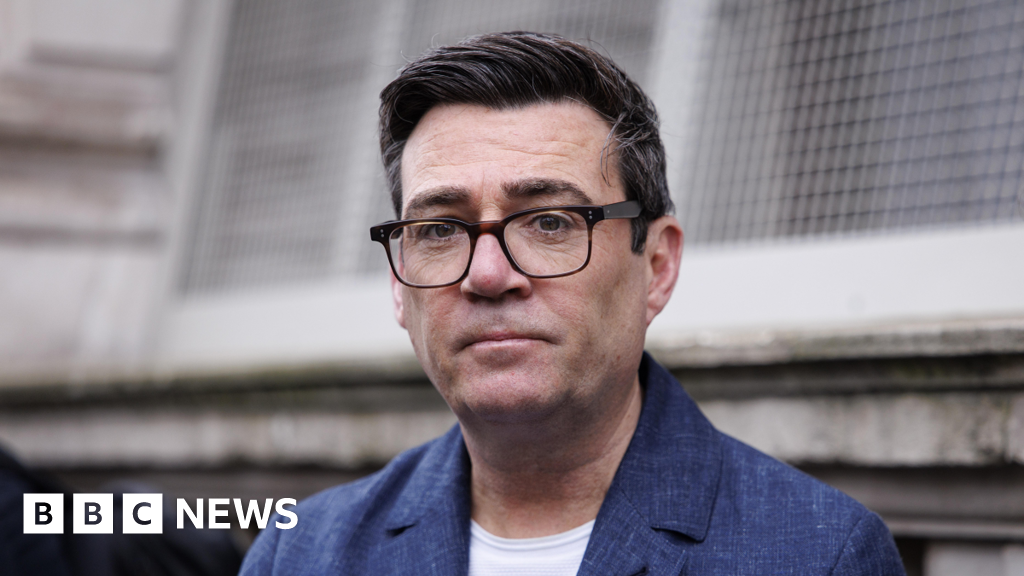

Andy Burnham Eyes Parliamentary Return as Labour MP Resigns
Greater Manchester Mayor Andy Burnham has confirmed he will consider standing for Parliament in the constituency of Labour MP Josh Simons, who announced his resignation earlier today. The move could mark Burnham’s return to Westminster after a seven-year hiatus, reigniting speculation about his future in national politics.
Simons, who has represented the constituency since 2019, cited personal reasons for his decision to step down, leaving the seat open for a by-election. His resignation comes at a pivotal moment for the Labour Party, which is seeking to consolidate its lead in national polls ahead of the next general election.
Burnham, a prominent figure in British politics and a former Cabinet minister, has been Mayor of Greater Manchester since 2017. Known as the “King of the North” for his vocal advocacy for northern England, Burnham has built a strong regional profile, particularly during the COVID-19 pandemic, when he clashed with the Conservative government over lockdown restrictions and funding.
In a statement released shortly after Simons’ announcement, Burnham said, “I have always been committed to serving the people of Greater Manchester, but I also believe in the importance of strong representation in Parliament. I will carefully consider standing in this by-election and will make a decision in the coming days.”
The constituency, located in Greater Manchester, is considered a Labour stronghold, making it a likely safe bet for the party. However, Burnham’s potential candidacy has sparked intrigue, as it could signal a broader political strategy.
Why It Matters
Burnham’s potential return to Westminster could have significant implications for both Labour and the broader political landscape. As Mayor of Greater Manchester, he has been a vocal critic of the Conservative government’s levelling-up agenda, arguing that it has failed to deliver meaningful change for northern communities. His re-entry into Parliament could strengthen Labour’s position on regional inequality and provide a powerful voice for the North.
Additionally, Burnham’s leadership credentials have often placed him in discussions about Labour’s future. While he has ruled out challenging current Labour leader Keir Starmer, his return to Parliament could position him as a key figure in shaping the party’s policies and electoral strategy.
Political Reactions
The announcement has drawn mixed reactions from across the political spectrum. Supporters of Burnham have praised his potential candidacy, describing it as a chance to bring experienced leadership back to Parliament. “Andy Burnham has proven himself as a champion for the North. His return to Westminster would be a win for both Labour and the country,” said one Labour councillor.
However, critics have questioned whether Burnham can balance his mayoral duties with a parliamentary role. Some have also speculated that his move could be perceived as a power play, given his national profile.
Conservative opponents have seized on the news, framing it as evidence of Labour’s internal dynamics. “This shows Labour is still struggling to find a coherent vision for the country,” said a senior Conservative MP.
Context: Burnham’s Political Journey
Burnham’s political career spans more than two decades. First elected as MP for Leigh in 2001, he served in various ministerial roles under former Prime Ministers Gordon Brown and Tony Blair, including Health Secretary and Culture Secretary. After narrowly losing the Labour leadership election to Jeremy Corbyn in 2015, Burnham shifted his focus to regional politics, winning the Greater Manchester mayoralty in 2017 and again in 2021 with a landslide victory.
His tenure as Mayor has been marked by bold initiatives, including the introduction of a franchised bus system and efforts to tackle homelessness. Burnham’s confrontations with the Conservative government, particularly during the pandemic, have solidified his reputation as a fierce advocate for northern interests.
Future Implications
If Burnham decides to stand and wins the by-election, it could reshape Labour’s internal dynamics. His presence in Parliament would likely amplify calls for greater regional investment and devolution, issues that have become central to Labour’s platform under Starmer.
Moreover, Burnham’s return could influence Labour’s strategy for the next general election, expected in 2024. As a high-profile figure with cross-party appeal, he could help Labour consolidate support in key battleground seats across the North.
For Burnham personally, the decision carries risks. Balancing the demands of Parliament with his mayoral responsibilities would be a significant challenge. However, it could also position him as a leading contender for a senior role in a future Labour government.
As the political world watches closely, Burnham’s next move will undoubtedly shape the trajectory of Labour’s campaign to reclaim power and redefine its vision for Britain’s future.
