


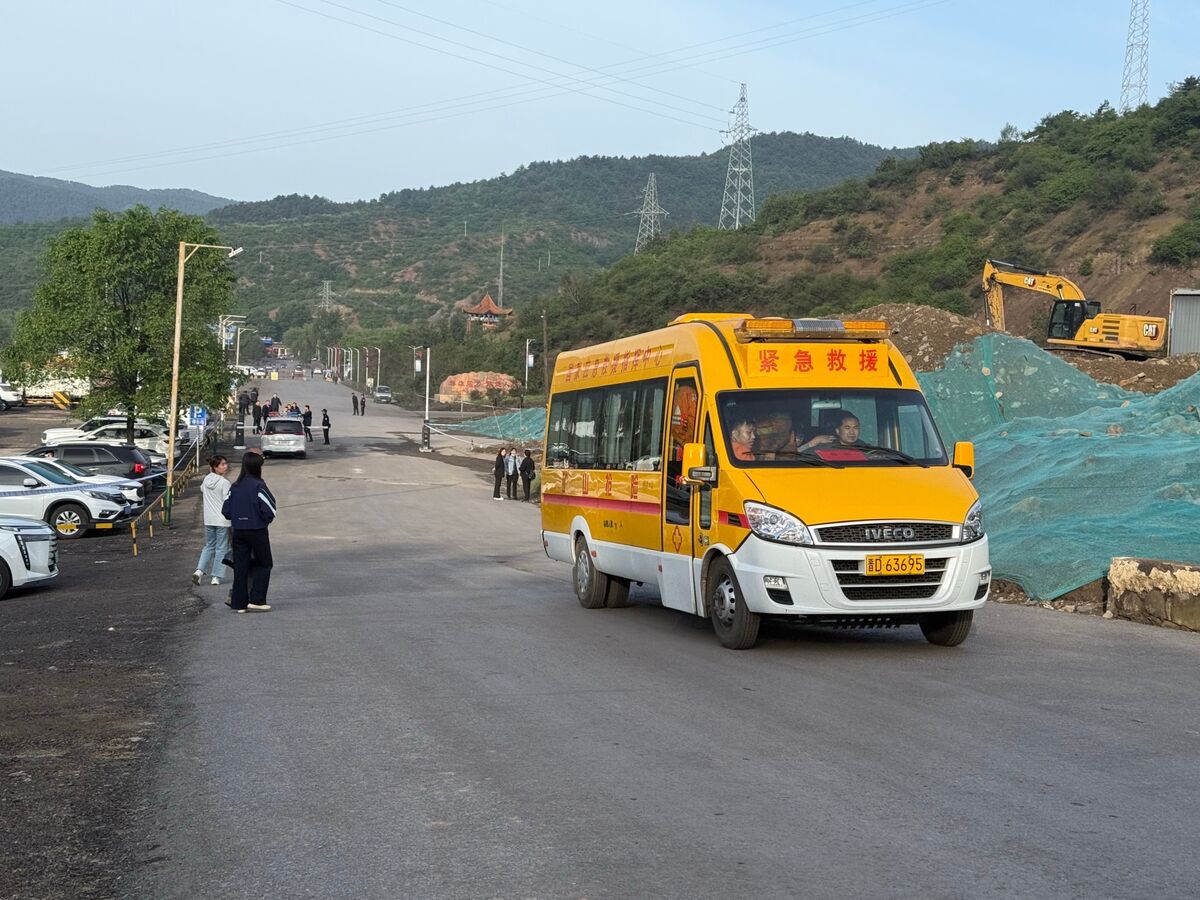

Xi Jinping Calls for Heightened Safety Measures After Deadly Coal Mine Explosion in Shanxi
In the wake of a devastating gas explosion at a coal mine in northern China’s Shanxi province, Chinese President Xi Jinping has issued a stern directive urging authorities across the nation to intensify efforts to prevent industrial accidents. The incident, which claimed multiple lives and left dozens injured, has once again cast a spotlight on the persistent safety risks plaguing China’s mining and heavy industries, sectors that remain critical to the country’s economic growth but are often marred by preventable tragedies.
The explosion occurred on November 5th at a coal mine operated by China’s state-owned energy giant, Shanxi Coking Coal Group, in the city of Taiyuan. Preliminary reports indicate that a sudden buildup of methane gas ignited, triggering a catastrophic blast deep within the mine. Rescue operations are still underway, with emergency teams working tirelessly to locate survivors and recover bodies from the wreckage. The exact death toll remains unconfirmed, but local media reports suggest that at least 20 miners have lost their lives, with dozens more injured or unaccounted for.
In response to the disaster, President Xi Jinping immediately called for a thorough investigation into the cause of the explosion and demanded stricter enforcement of safety protocols across China’s industrial sectors. He emphasized the need for “comprehensive and meticulous efforts to eliminate hidden risks” and urged local governments and enterprises to prioritize the safety of workers above all else. His directive underscores the Chinese government’s growing concern over recurring industrial accidents, which continue to tarnish the nation’s record despite years of regulatory reforms and crackdowns on unsafe practices.
A Persistent Problem in China’s Industrial Landscape
China’s mining industry, particularly its coal sector, has long been notorious for its high fatality rates and lax safety standards. Despite being the world’s largest producer and consumer of coal, the industry has struggled to shed its reputation for prioritizing production targets over worker safety. Over the past two decades, China has implemented numerous measures to improve conditions in its mines, including stricter regulations, enhanced inspections, and the closure of thousands of small, privately-owned operations deemed too hazardous to operate.
While these efforts have led to a significant decline in mining fatalities—from over 7,000 deaths annually in the early 2000s to fewer than 500 in recent years—accidents remain distressingly common. Analysts attribute this to several factors, including the pressure to meet soaring energy demands, inadequate training for workers, and the persistence of corruption that allows some operators to circumvent safety rules.
The Shanxi explosion is the latest in a series of high-profile industrial accidents to rock China this year. In March, a methane leak at a coal mine in Inner Mongolia killed six workers and left dozens hospitalized. In July, a chemical plant explosion in Shandong province claimed ten lives and injured even more. These incidents highlight the ongoing challenges faced by China’s industrial sector, which remains a cornerstone of the nation’s economy but continues to grapple with systemic safety deficiencies.
Economic Pressures and the Coal Conundrum
The timing of the Shanxi explosion is particularly significant, as it comes amid a period of heightened economic pressure on China’s energy sector. The country has been grappling with severe power shortages in recent months, driven by rising electricity demand, soaring coal prices, and government-mandated emissions reductions. In response, Beijing has ordered coal mines to ramp up production to ensure sufficient energy supplies for the winter heating season, a move that critics argue could compromise safety standards in favor of meeting output targets.
China’s reliance on coal remains a contentious issue, both domestically and internationally. While the country has pledged to achieve carbon neutrality by 2060, coal still accounts for nearly 60% of its energy mix. The government’s dual goals of ensuring energy security and reducing emissions have created a delicate balancing act, forcing policymakers to navigate competing priorities while addressing the inherent risks of coal mining.
Calls for Accountability and Reform
In the aftermath of the Shanxi explosion, calls for greater accountability and systemic reform have grown louder. Advocacy groups and industry experts argue that China’s safety regulations, while robust on paper, are often undermined by weak enforcement and a lack of transparency. They urge the government to adopt a more proactive approach, including increased oversight, stricter penalties for violators, and greater investment in safety training and technology.
“The root cause of these accidents is not a lack of rules, but a lack of enforcement,” said Zhang Li, a Beijing-based engineer with over two decades of experience in the mining industry. “Many companies still cut corners to save costs, and local officials often turn a blind eye because they prioritize economic growth over safety.”
The tragedy has also reignited debates about the human cost of China’s rapid industrialization. While the country’s economic transformation has lifted hundreds of millions out of poverty, it has come at a significant price, with industrial workers often bearing the brunt of the risks.
The Road Ahead
As rescue efforts continue in Shanxi, the Chinese government faces mounting pressure to address the systemic issues that underpin its industrial safety crisis. President Xi’s latest directive signals a renewed commitment to tackling these challenges, but experts warn that lasting change will require more than just rhetoric.
“The government must ensure that its policies are implemented effectively at the grassroots level,” said Liu Wei, a professor of environmental studies at Tsinghua University. “This means holding not just the companies accountable, but also the local officials who are supposed to enforce the rules.”
For now, the families of the miners impacted by the Shanxi explosion are left to mourn their loved ones and grapple with the devastating consequences of yet another preventable tragedy. As China seeks to balance its economic ambitions with the need for greater safety and sustainability, the lessons from this disaster will undoubtedly shape the path forward.
The Shanxi coal mine explosion serves as a stark reminder that, despite decades of progress, China’s industrial safety challenges remain far from resolved. While the government’s renewed focus on worker safety is a step in the right direction, the true test will be whether these measures translate into tangible improvements on the ground.
