


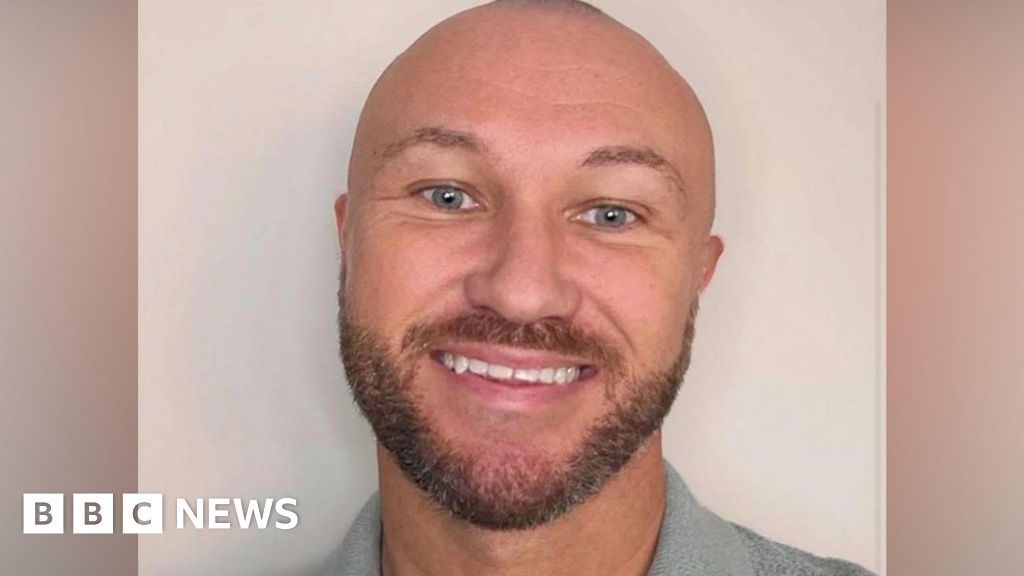

Green Party Candidate Chris Kennedy Withdraws, Citing Personal Reasons
London, UK — The Green Party of England and Wales has announced the sudden withdrawal of Chris Kennedy as a parliamentary candidate, citing “personal and family reasons.” The decision, confirmed by party officials on Thursday, comes just weeks before a highly anticipated general election, leaving the party scrambling to fill the vacancy in a key constituency.
Kennedy, a prominent environmental activist and local councilor, had been selected to contest the Bristol West seat—a target for the Greens, who have been gaining ground in urban progressive strongholds. His departure deals a blow to the party’s ambitions to expand its parliamentary presence beyond its sole current MP, Caroline Lucas.
Unexpected Exit Shakes Campaign
The Greens did not disclose specific details behind Kennedy’s withdrawal but emphasized the decision was made after careful consideration. In a brief statement, the party expressed full support for Kennedy and thanked him for his contributions. “We respect Chris’s privacy during this time and wish him and his family well,” a spokesperson said.
Kennedy, who had been actively campaigning, had positioned himself as a vocal advocate for climate action and social justice. His sudden exit has raised questions about the party’s preparedness to handle last-minute disruptions in a tightly contested race. Political analysts suggest the Greens now face an uphill battle to retain voter momentum in Bristol West, where Labour and the Liberal Democrats are also vying for support.
Strategic Implications for the Greens
The withdrawal highlights the challenges smaller parties face in maintaining stable candidate lineups, particularly under the pressure of a snap election. The Greens have been polling strongly in several urban areas, capitalizing on growing voter concern over climate change and dissatisfaction with the two major parties. However, Kennedy’s absence could weaken their appeal in a seat seen as winnable.
Bristol West has been a focal point for the Greens since 2015, when they secured second place behind Labour. With the incumbent Labour MP stepping down, the race was considered wide open. Kennedy’s campaign had focused on grassroots mobilization, but his departure leaves the party little time to introduce a replacement candidate effectively.
Broader Political Context
The development comes amid a turbulent election season marked by shifting alliances and unexpected candidate changes across multiple parties. Smaller parties like the Greens rely heavily on high-profile local candidates to drive turnout, making Kennedy’s exit particularly consequential.
The Greens have been pushing to position themselves as the definitive alternative for progressive voters disillusioned with Labour’s stance on issues like environmental policy and public services. Losing a well-known figure like Kennedy could dampen their ability to frame the election as a breakthrough moment.
What Happens Next?
The party is expected to name a replacement candidate in the coming days, though the late-stage switch may complicate efforts to regain lost ground. Local organizers will need to quickly rally support behind the new nominee, who will face immediate scrutiny from opponents.
Longer-term, the incident may prompt the Greens to reassess how they vet and support candidates, particularly those balancing personal commitments with the demands of a national campaign. For now, all eyes are on whether the party can recover in time to capitalize on what many see as a pivotal election for environmental politics.
Kennedy’s withdrawal serves as a reminder of the unpredictable nature of political campaigns—and the personal sacrifices they often entail. As the Greens regroup, the broader question remains: Can they turn growing public concern over climate change into tangible electoral gains, even amid setbacks? The answer may shape the party’s trajectory for years to come.
