


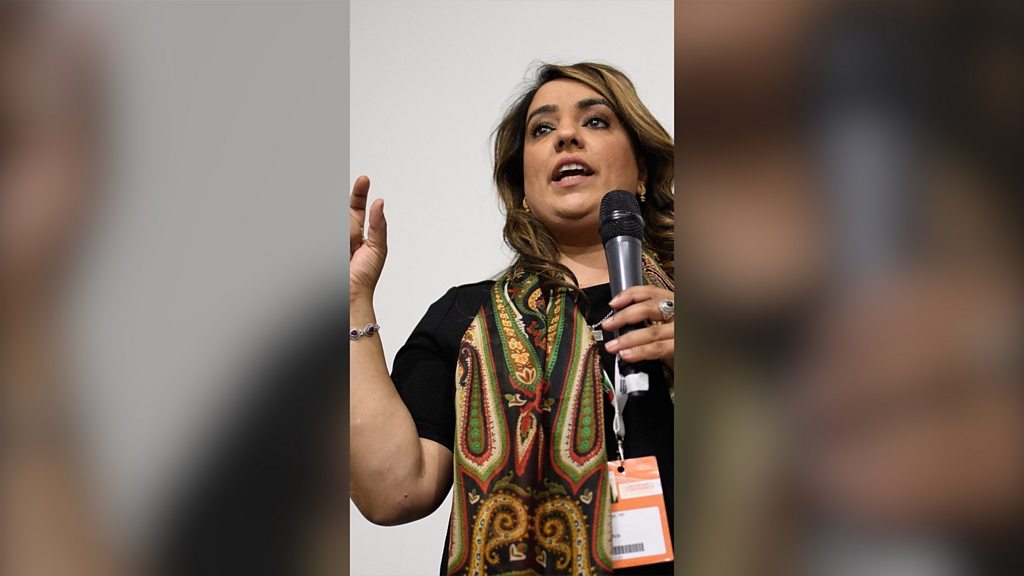

From Poverty to Parliament: The Unlikely Journey of Naz Shah
Bradford West MP Naz Shah’s rise to political prominence is a story of resilience, survival, and defiance against the odds. Born into poverty in 1970s Bradford, Shah’s early life was marked by domestic turmoil, a forced marriage, and a struggle for autonomy—a far cry from the halls of Westminster where she now serves. Her journey reflects not just personal triumph but broader issues of gender, migration, and social mobility in modern Britain.
A Childhood Shaped by Struggle
Shah grew up in a household scarred by domestic abuse, an experience that would later fuel her advocacy for women’s rights. At just 12 years old, she was sent to Pakistan, where she was forced into marriage with a cousin—a practice still prevalent in some South Asian communities. Returning to the UK as a teenager, she faced the dual challenges of cultural expectations and systemic poverty.
Her early adulthood was no easier. Shah became a single mother, relying on benefits while juggling education and childcare. Yet, she persisted, eventually earning a degree in mental health and working in the National Health Service (NHS). Her professional background gave her firsthand insight into the struggles of marginalized communities, shaping her political priorities.
Breaking Barriers in Politics
Shah’s entry into politics was anything but conventional. She rose to prominence in 2016 after winning the Bradford West seat in a dramatic by-election, unseating a veteran politician. Her campaign focused on social justice, anti-racism, and women’s rights—issues deeply rooted in her lived experience.
Since then, she has been a vocal advocate for survivors of domestic abuse and forced marriages, leveraging her platform to push for legislative changes. Her work has earned both praise and criticism, particularly from conservative factions within her own community. Yet, Shah remains undeterred, often citing her past as motivation to fight for those without a voice.
Why Her Story Matters
Shah’s trajectory is emblematic of broader societal shifts. As Britain grapples with questions of integration, gender equality, and class mobility, her story underscores the potential—and the obstacles—facing minority women in public life. Her success challenges stereotypes about Muslim women in politics, proving that representation can reshape policy and public perception.
Moreover, her advocacy has forced uncomfortable conversations about cultural practices within immigrant communities, balancing respect for tradition with the imperative of human rights. Critics argue her stance risks alienating conservative voters, but supporters counter that such debates are long overdue.
What Comes Next
Shah’s influence shows no signs of waning. With a potential cabinet role on the horizon, she could soon wield even greater power to advance her causes. Meanwhile, her life story continues to inspire activists and aspiring politicians, particularly those from disadvantaged backgrounds.
Yet, challenges remain. The same forces that shaped her early life—poverty, misogyny, and systemic inequality—still persist, both in Bradford and beyond. Whether Shah can translate her personal resilience into lasting change remains to be seen. But one thing is clear: her journey from a troubled childhood to the heart of British politics is a testament to the power of perseverance—and a reminder of how far the country still has to go.
As Shah often says, “My past doesn’t define me, but it drives me.” For many, that drive is exactly what politics needs.
