


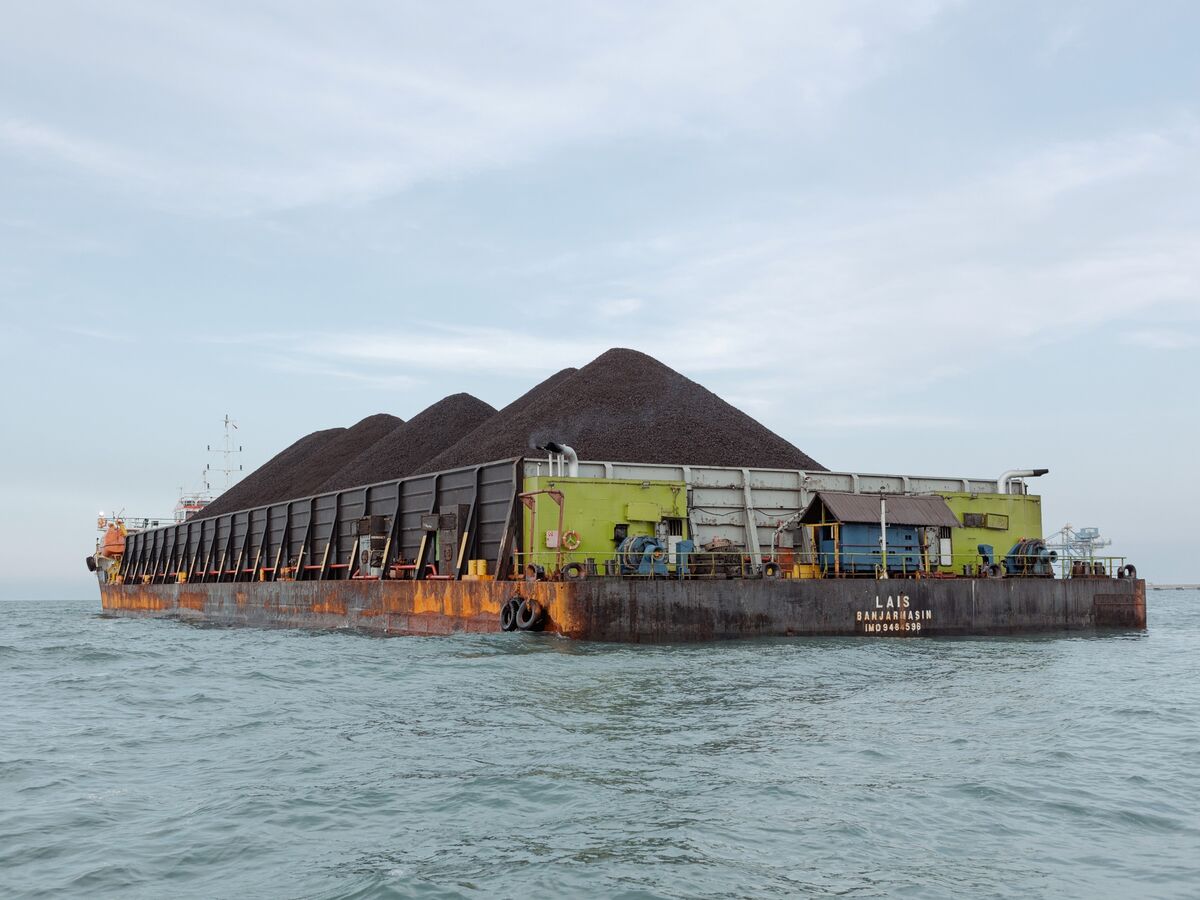

Indonesia’s Commodity Traders: The Unsung Backbone of a Global Supply Chain
In the lush jungles of Borneo and the sprawling plantations of Sumatra, a complex and often overlooked network of traders has quietly powered Indonesia’s rise as a global commodity powerhouse. For decades, these intermediaries—ranging from small-scale brokers to logistics experts—have been the critical bridge between the nation’s remote mines and farms and the factories, refineries, and consumers of the world. Operating in the shadows of multinational corporations, they negotiate deals, secure loans, and arrange transportation, often navigating treacherous rivers and rugged terrain to ensure Indonesia’s raw materials reach global markets. Yet, as the world becomes increasingly reliant on Indonesia’s palm oil, coal, nickel, and other resources, these traders face mounting challenges, from tightening regulations to shifting geopolitics, that threaten their precarious role in the global supply chain.
A Network Rooted in Tradition and Necessity
Indonesia, the world’s largest archipelago, is blessed with abundant natural resources. Its fertile soils produce nearly half of the world’s palm oil, while its vast mineral reserves make it a key supplier of nickel, tin, and coal. However, the country’s geography—comprising over 17,000 islands—presents significant logistical challenges. Many mines and plantations are located in remote areas, far from major ports or infrastructure. This is where the traders step in.
For generations, these intermediaries have played a vital role in connecting producers to markets. They function as more than just brokers; they are lenders, logistics coordinators, and risk managers. In resource-rich regions like Kalimantan and Papua, traders often provide upfront loans to small-scale miners or farmers, enabling them to start or expand operations. They then organize the transportation of goods, using a patchwork of river barges, trucks, and cranes to navigate Indonesia’s notoriously poor infrastructure.
The system, while informal, has proven remarkably resilient. In the absence of robust government support or corporate investment, traders have filled the void, ensuring that Indonesia’s commodities continue to flow to global markets. Yet, their success has come at a cost. Critics argue that the lack of oversight has led to environmental degradation, exploitative labor practices, and the entrenchment of corruption.
Global Demand and New Challenges
Indonesia’s strategic importance in the global economy has grown exponentially in recent years. The country is a cornerstone of the global palm oil industry, supplying everything from cooking oil to biofuels. Its nickel reserves, the largest in the world, are critical to the production of electric vehicle batteries. Meanwhile, its coal remains a vital energy source for countries across Asia.
As demand for these resources surges, traders find themselves at the center of a high-stakes game. Multinational corporations and governments are increasingly scrutinizing the supply chain, pushing for greater transparency and sustainability. In response, Indonesia has introduced stricter regulations, such as mandatory certification for palm oil and tighter controls on mining exports.
These changes have placed immense pressure on traders. Many lack the resources to comply with new requirements, forcing them to either exit the market or operate illegally. “The rules have gotten stricter, but the support hasn’t followed,” says Budi Santoso, a veteran palm oil trader based in Medan. “It’s becoming harder for small players to survive.”
The situation is further complicated by geopolitical tensions. Indonesia’s nickel industry, for example, has become a flashpoint in the global race for EV battery materials. While the government has banned raw nickel exports to encourage domestic processing, traders face growing competition from state-backed entities and foreign investors. Similar dynamics are playing out in the palm oil sector, where European Union regulations aimed at curbing deforestation have sparked trade disputes.
The Human Cost of Commodity Trade
Behind the statistics and supply chains are the stories of countless Indonesians whose livelihoods depend on the commodity trade. Many traders come from modest backgrounds, building their businesses through sheer determination and local knowledge. For them, the trade is not just a job; it’s a way of life.
Yet, the risks are high. Navigating Indonesia’s remote regions can be perilous, with traders often facing floods, landslides, and piracy. The financial risks are equally daunting. “One bad deal can wipe out everything,” says Siti Rahayu, a coal trader in South Kalimantan. “You’re always balancing between profit and loss.”
For workers in mines and plantations, the challenges are even greater. Many endure grueling conditions for meager wages, with little recourse to legal protection. While traders argue they provide crucial employment opportunities, activists accuse them of perpetuating exploitative practices. “The system is built on the backs of the poor,” says environmentalist Dedi Supriadi. “Until that changes, the human cost will remain unacceptably high.”
The Future of Indonesia’s Commodity Trade
As Indonesia seeks to modernize its economy and meet global sustainability standards, the role of traders is at a crossroads. Some believe formalization and consolidation are inevitable, with larger players absorbing smaller ones. Others argue that traders remain indispensable, citing their deep local knowledge and adaptability.
Efforts to improve infrastructure and governance could help bridge the gap. Projects like the Trans-Sumatra Toll Road and new port developments aim to reduce logistical bottlenecks, while initiatives to promote sustainable practices are gaining traction. However, progress has been slow, and many traders remain skeptical. “Change is coming, but it’s not fast enough,” says Santoso. “We need solutions that work for everyone, not just the big companies.”
For now, Indonesia’s commodity traders continue to operate in a delicate balance, navigating the complexities of a rapidly changing world. Their story is a testament to resilience and resourcefulness, but also a reminder of the challenges that lie ahead. As global demand for Indonesia’s resources shows no signs of slowing, the question remains: will these unsung heroes adapt—or fade away?
In a world increasingly defined by supply chain disruptions and sustainability concerns, the fate of Indonesia’s traders offers both caution and hope. Their survival may well depend on finding harmony between tradition and progress, ensuring that the benefits of the commodity trade are shared by all.
