


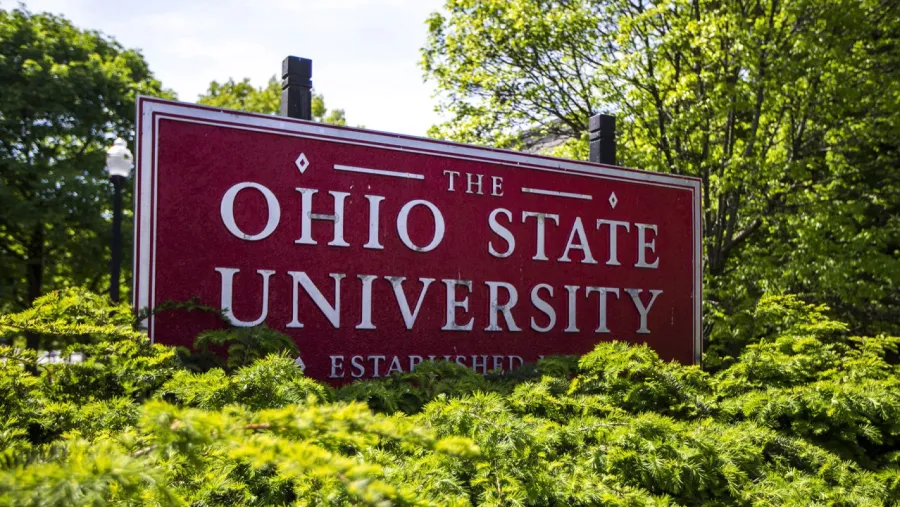

Ohio State University’s Buckeye Commons to Undergo Major Renovation Amid Controversy Over Diversity Programs
COLUMBUS, Ohio – Ohio State University (OSU) is poised to unveil a significant renovation of Buckeye Commons this summer, sparking both interest and controversy on campus. The student support center was established to replace the now-defunct Center for Belonging and Social Change, an initiative that was eliminated when the university decided to terminate diversity programming in February 2025. This decision stirred up intense debate about the future of inclusivity on campus and raised questions about the university’s commitment to diversity.
Buckeye Commons, which opened its doors in the wake of the controversial decision, was envisioned as a unified space designed to offer a broad range of student support services, combining mental health counseling, academic advising, and various student organizations. With the announcement of renovations, university officials aim to rebrand the facility yet again, signaling a profound shift in priorities at OSU.
The elimination of dedicated diversity programs at OSU drew sharp criticism from students, faculty, and community activists. Many argued that the decision not only undermined the university’s commitment to inclusivity but also left marginalized students without essential resources and support. Critics contended that the discontinuation of the Center for Belonging and Social Change was a move away from fostering a diverse academic environment where all students could thrive.
In light of ongoing conversations about equity and representation within higher education, the renovation of Buckeye Commons has become a focal point for advocates who feel that university leadership is not fully addressing the needs of all students. Some students have referred to the center’s original programming as vital lifelines that provided a sense of community and belonging—a sentiment that resonates on campuses across the nation.
As part of the renovation plan, OSU has indicated that it will incorporate feedback from students and stakeholders to ensure the updated Buckeye Commons better serves a diverse student body. While university leaders express optimism about the changes, many remain skeptical. The challenge, they say, will be keeping the spirit of diversity and inclusivity alive in a center seemingly shaped by the fallout from the initial program cuts.
Key university leaders, including recently appointed President Kristina Johnson, are tasked with navigating these sensitive changes. Since taking office, Johnson has prioritized “transformational leadership” and has emphasized rebuilding trust among students, faculty, and staff. Still, the path toward reconciliation may present numerous hurdles, as factions within the OSU community continue to grapple with the broader implications of the university’s decisions.
This summer’s renovations allow for greater adaptability within Buckeye Commons’ structure. The new design will reportedly create multifunctional spaces, conducive not only for academic engagement but also for fostering dialogue and understanding among students from diverse backgrounds. While specific details about the redesign remain under wraps, discussions emphasize the importance of inclusivity, signaling a potential shift in university culture towards recognizing the needs of all students.
However, many students believe that physical changes alone won’t suffice. The feeling persists that words must translate into genuine policy change. Advocates argue that OSU must reinstate comprehensive diversity programming to truly address the historical inequities that marginalized groups face on campus. “We need more than just a paint job,” remarked Eleanor Townsend, a graduate student who has actively campaigned for greater support for underrepresented communities at OSU.
The administration’s ability to respond to these voices could determine the success of the new initiatives set to roll out alongside the renovations. As the timeline for Buckeye Commons’ changes is established, students are cautiously hopeful, yet anxious about the implications for their collective future at Ohio State.
As autumn approaches and the new academic year looms, the long-term impact of these renovations will be observed—the stakes are high, both for Ohio State University’s reputation and for the emotional well-being of its diverse student population. The unfolding events at Buckeye Commons may well serve as a bellwether for other institutions reflecting on their own commitments to diversity and inclusion.
Ultimately, the future of Buckeye Commons could be a harbinger of broader change within the landscape of American higher education. It remains to be seen whether the recent steps will inspire genuine progress toward building a campus culture where diversity is not just an initiative but a guiding principle shaping the experiences of all students at Ohio State University.
