


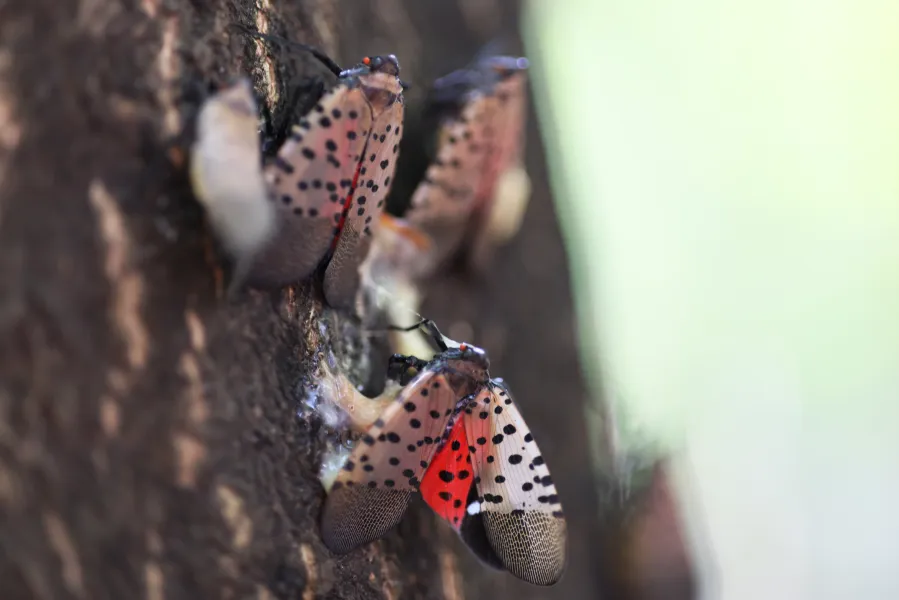

Ohio Implements Statewide Quarantine to Combat Invasive Spotted Lanternfly
COLUMBUS, Ohio – In a decisive move to combat the spread of the invasive spotted lanternfly, the Ohio Department of Agriculture announced a statewide quarantine that went into effect on Tuesday. This new measure broadens the previously limited quarantine that was in place for 18 of Ohio’s 88 counties, including urban areas like Franklin County.
The spotted lanternfly (Lycorma delicatula), a tree sap-sucking insect native to Asia, poses significant environmental threats to Ohio’s agricultural economy, particularly affecting crops such as grapes, apples, and other fruit-bearing plants. Initially detected in the eastern United States in 2014, the pest has rapidly spread across several states, with Ohio becoming a focal point of concern.
The quarantine now prohibits the transportation of items that could harbor the insects, including landscaping materials, firewood, and certain agricultural products. This policy aims to limit the movement of the spotted lanternfly to help mitigate its potential economic and environmental impacts across the state and surrounding regions.
“By expanding the quarantine, we are taking significant steps to protect our agricultural sector and the health of our ecosystems,” said Dorothy Pelanda, director of the Ohio Department of Agriculture. “We encourage all residents to take this threat seriously and report any sightings of the spotted lanternfly.”
Local farmers and agricultural experts have expressed heightened concern about the invasive species. The lanternfly feeds on the sap of various plants, weakening them and making them more susceptible to disease. This invasive insect’s feeding habits can lead to significant crop losses, threatening the livelihoods of countless farmers across Ohio.
Franklin County, an integral part of Ohio’s economic fabric, is especially vulnerable given its diverse agricultural profile. The county has been proactive in its efforts to educate local residents about the threats posed by the spotted lanternfly. Community outreach programs have been initiated to inform the public about preventive measures, including how to identify the insect and report sightings.
Experts warn that ignoring the invasion could result in dire consequences. The spotted lanternfly not only infests crops but also disrupts local ecosystems by further straining native species already suffering from habitat loss and climate change. As the insect continues to expand geographically, its presence may also affect tourism in areas known for agriculture, thus creating a ripple effect that could impact various sectors of the economy.
Local businesses, particularly those within the agricultural sector and tourism, are gearing up for the potential fallout. Farmers are encouraged to utilize insecticides approved by state agencies while maintaining environmentally friendly practices. The Ohio Farm Bureau has also stressed the importance of cooperation among the community to take practical steps to identify and destroy the larvae and adults.
Adopting such cooperative strategies may be essential for managing the infestation effectively. The Ohio Department of Agriculture advises the public to remain vigilant and participate in reporting any sightings of the spotted lanternfly. Educational workshops and self-study materials on identification are being offered across the state to engage the community in combating the problem.
Beyond the immediate challenges posed by the spotted lanternfly, the broader implications of its invasive nature pose significant questions about the resilience of Ohio’s agriculture amidst a changing global landscape. This quarantine serves not only as a reaction to an existing crisis but also highlights the necessity for more robust prevention strategies against invasive species at both state and federal levels.
Agricultural economists are already predicting that a failure to manage the spread of the spotted lanternfly could lead to increased prices for consumers and heightened economic pressures on farmers in the near future. As the insect continues to expand its territory, states surrounding Ohio, including Pennsylvania and New York, are keeping a close watch on the situation, fully aware that the spread of the lanternfly could easily cross state lines.
The efforts made by Ohio’s agricultural authorities are an essential step toward preserving the state’s agricultural integrity. This situation serves as a reminder of the ongoing battle against invasive species and the need for proactive measures to ensure the health of both the environment and the economy. Moving forward, It will be crucial for state leaders to reevaluate their strategies and reinforce support for farmers to prepare for any potential disruptions caused by the invasive spotted lanternfly.
