



New Bill Aims to Combat Ticket Fraud in Ohio’s Arts Sector
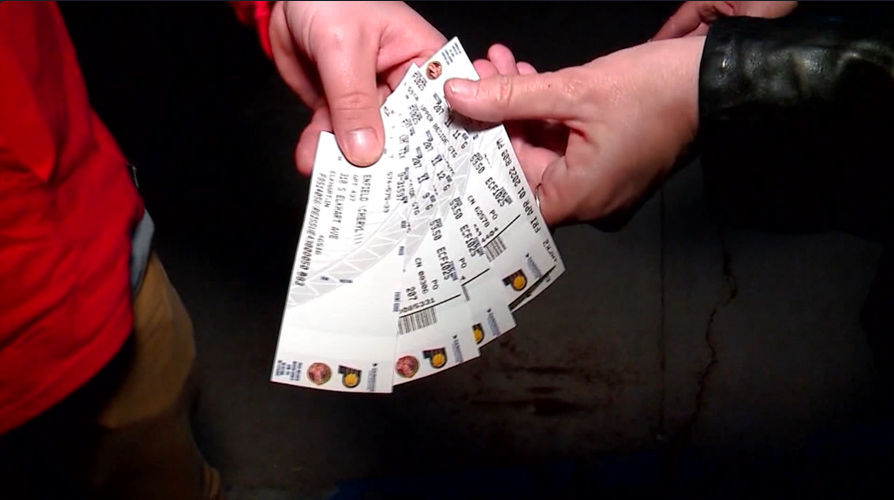
COLUMBUS, Ohio — The disappointment of discovering that a hard-earned ticket to a concert or play is nothing more than a worthless piece of paper is an all-too-familiar sentiment for many. As ticket scams proliferate, cultural leaders in Ohio are raising alarms about the potential damage this fraud inflicts on the state’s vibrant arts community. In response, Representative Mark Hiner (R-Howard) has introduced legislation aimed at safeguarding consumers and the integrity of live events in Ohio.
The proposed bill comes amid a surge in ticket fraud, particularly on online resale platforms. Consumers, often unaware that they are purchasing counterfeit tickets, face mounting frustrations and financial losses. These scams not only hurt individuals but also threaten the sustainability of arts organizations, which rely on ticket sales as key revenue sources.
“Ticket fraud has a ripple effect that can undermine the entire arts ecosystem,” Hiner commented at the bill’s announcement. “When people lose faith in the legitimacy of ticket sales, they are less likely to attend events, and that harms not just artists and venues, but the entire community.”
Hiner’s legislation seeks to impose stricter regulations on online ticket resellers. The bill would require these platforms to verify the authenticity of tickets sold and to provide consumers with transparency about the origin of the tickets they are purchasing. Additionally, a system of penalties for those who fail to comply with these regulations is also proposed, aiming to deter fraudulent activities and protect consumers.
The arts sector in Ohio has faced significant challenges in recent years, exacerbated by the COVID-19 pandemic. Many organizations are still recovering from shutdowns and dwindling audiences. As theaters, concert halls, and galleries strive to rebuild, the threat posed by ticket fraud adds another layer of difficulty. A report from the Ohio Arts Council indicates that the state’s arts and culture sector generates approximately $1.4 billion in annual economic impact, underscoring its importance to the local economy.
The proposed bill has garnered support from various stakeholders in the arts community, including nonprofit organizations, theater companies, and musicians. Artists are particularly concerned that fraud may discourage potential audiences from attending shows and performances. “Every ticket sold is a step toward revitalizing our community’s cultural fabric,” noted Emily Richards, director of a local theater group. “We can’t afford to let fraud undermine our efforts.”
In a state where the arts contribute significantly to economic development, the repercussions of ticket fraud extend beyond individual buyers to the broader cultural landscape. Trust in ticketing processes is vital for ensuring audiences feel safe and secure in their purchases—an essential aspect of the live entertainment experience.
The proposed legislation is not without its challenges. Online ticket resellers, who often operate on a national or global scale, may resist regulatory measures that impose additional costs or operational burdens. Some critics argue that enforcing such regulations could inadvertently drive up ticket prices, further alienating consumers.
However, advocates of the bill remain optimistic. “The aim is to cultivate a safer marketplace for both consumers and artists,” said Jack Sullivan, a spokesperson for the Ohio Cultural Alliance. “By creating a framework that prioritizes transparency and accountability, we can enhance consumer protection while promoting the arts.”
As the bill is debated in the Ohio House, its fate remains uncertain. But the growing awareness of ticket fraud and its implications could signal a shift in how live events are marketed and sold—both in Ohio and beyond. Should the legislation pass, it would set a precedent that could encourage other states to adopt similar measures.
The future of Ohio’s arts community hinges not only on fighting fraud but also on nurturing audiences who are willing to engage with live events. By reinforcing trust through legislative action, lawmakers and cultural leaders hope to protect the vibrant scene that artists, patrons, and communities have worked hard to foster.
As discussions about the bill continue, one thing is clear: safeguarding the integrity of ticket sales is more than just about protecting consumers; it’s about ensuring that Ohio’s cultural landscape thrives in the years to come. The outcomes of this legislative initiative could ultimately reshape the relationship between audiences and the performing arts, promoting a greater appreciation for live events in a state where they are woven deeply into the cultural fabric.
