


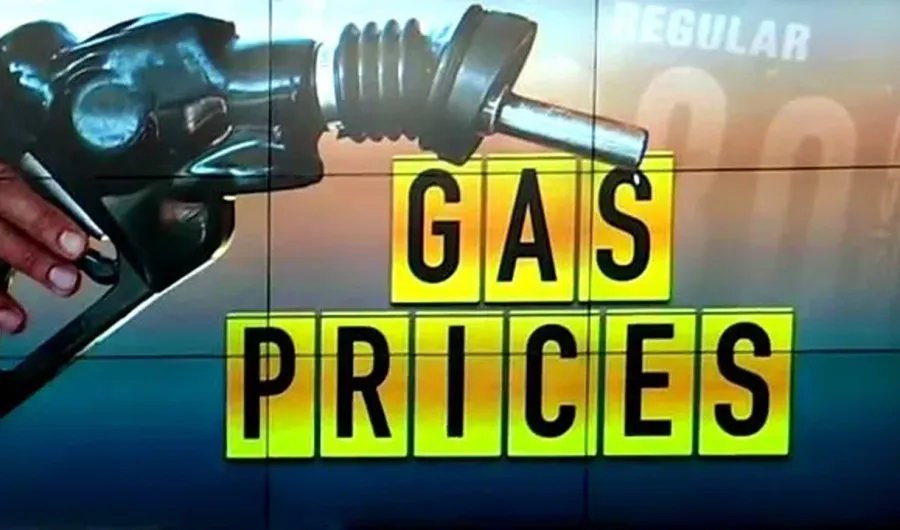

Spike in Gas Prices Hits Central Ohio: Causes and Implications
COLUMBUS, Ohio — Gas prices in central Ohio have surged significantly over the past week, leaving consumers and businesses grappling with the financial implications. A recent survey conducted by GasBuddy, which analyzed data from 500 stations in and around Columbus, revealed that prices increased by 15.1 cents per gallon. This rise brings the average cost to approximately $3.50 per gallon, a noticeable uptick that many residents are feeling at the pump.
Several factors contribute to this sudden escalation in fuel prices. Industry experts point to price cycling, a common practice among gas stations where prices fluctuate frequently, often leading to abrupt spikes. Additionally, refinery maintenance activities that typically occur as part of seasonal transitions can restrict supply, further driving prices upward. The convergence of these factors, alongside tightening seasonal supply, has created a perfect storm for consumers.
In the wake of this price surge, local businesses that rely heavily on transportation are bracing for an imminent financial impact. “For small businesses, every cent counts,” remarked Mark Peterson, a local entrepreneur with a delivery service. “Rising gas prices can quickly eat into our profit margins, and we may have to consider passing those costs onto our customers.” The cyclical nature of gas pricing creates uncertainty, making it difficult for businesses to plan budgets effectively.
The implications of rising gas prices extend beyond just consumer transportation. They affect the entire economy, from inflation rates to the cost of goods and services. Economists warn that continued increases could lead to higher inflation as businesses adjust their prices to compensate for increased operational costs. This, in turn, could dampen consumer spending, creating a ripple effect throughout the local economy.
The impacts are not limited to economic factors alone; they also resonate on a societal level. Higher fuel costs often lead to more difficult choices for families, particularly those already struggling to make ends meet. “For some families, choosing between filling up the car or buying groceries is a real dilemma,” shared community activist Lisa Tran. “This is more than just an inconvenience; it can directly affect people’s ability to survive day to day.”
Furthermore, as gas prices rise, there is renewed discussion around energy policy and alternative transportation options. Many advocates for green energy view this moment as a chance to push for more sustainable solutions. “With fuel costs climbing, now is the perfect time for policymakers to invest in public transportation and renewable energy sources,” said Robert Hughes, an energy policy analyst. “Such investments not only reduce our dependence on fossil fuels but can also offer consumers a reliable alternative when gas prices become untenable.”
State and federal governments may find themselves under increased pressure to address rising fuel costs, with citizens calling for tangible solutions that can ease the financial strain. Discussions around temporary gas tax relief and policies promoting electric vehicles are likely to gain momentum in legislative agendas as constituents voice their concerns.
Looking ahead, analysts are watching the situation closely, aware of the potential volatility in gas prices as we approach seasonal demand changes. The upcoming winter months could also add layers of complexity, particularly if disruptions in supply chains occur. Continuous monitoring of refinery schedules and market dynamics will be essential to predict any further shifts in pricing.
The current spike in gas prices serves as a reminder of the interconnected nature of energy markets, economics, and society. As central Ohio residents navigate these challenges, the broader implications of this increase may shape conversations around energy independence and economic resilience for years to come.
With uncertainties looming over gas prices, consumers are wise to remain vigilant and responsive to their local fuel markets. Meanwhile, businesses and policymakers alike must prepare for both immediate and long-term effects, ensuring that the community can adapt to an evolving energy landscape.
