


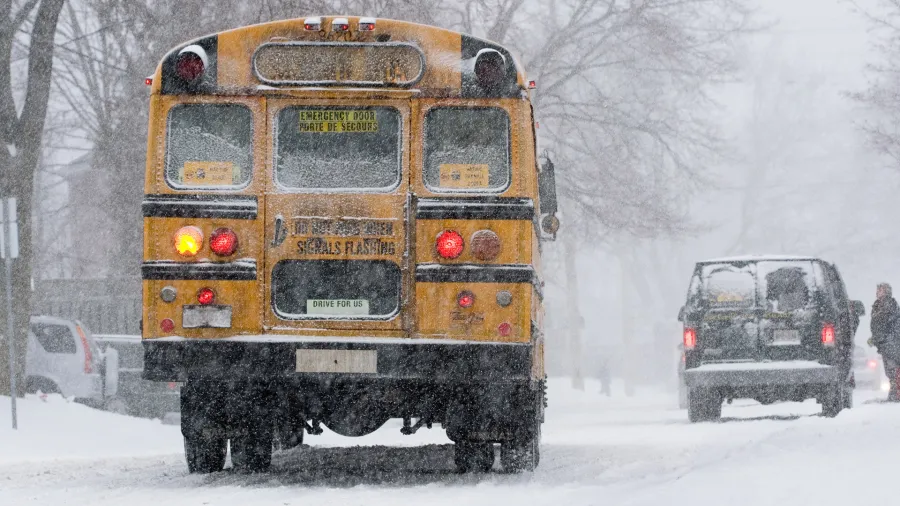

Over 100 Central Ohio School Districts Delay Start Due to Overnight Snow
COLUMBUS, Ohio – A fresh coating of snow blanketed central Ohio overnight, leading to the delayed start of classes for more than 100 school districts on Monday. The region experienced light snowfall, accumulating less than an inch in some areas, but the impact on students and families was significant.
The snow-coated roads prompted school officials across multiple districts to exercise caution, prioritizing safety as students navigate their morning commutes. Many parents received early morning notifications alerting them to the changes, which included possible cancellations of all extracurricular activities for the day.
In Columbus, the snowfall was relatively minimal, with neighborhood streets only experiencing a light dusting. However, nearby communities faced more severe conditions, and road crews worked tirelessly to clear major thoroughfares. “We take winter weather seriously, and the well-being of our students is our top priority,” said District Superintendent Emma Hartman. “We want to ensure that when classes resume, everyone can arrive safely.”
The decision to delay classes was made in coordination with local weather forecasts, which predicted more snow may accumulate as the day progressed. Meteorologists noted that the winter weather is typical for this time of year in Ohio, and while some may welcome the picturesque scenery, the challenges it brings cannot be overlooked.
Transportation authorities are advising residents to remain cautious while traveling. “While the roads are improving, conditions can change rapidly,” cautioned Tony Lopez, a spokesperson for the Ohio Department of Transportation. “Drivers should allow extra time for their commutes and exercise patience.”
The delayed start has prompted discussions among educators, parents, and the community regarding contingency plans for unpredictable weather. Some districts have already begun to explore flexible learning options, including virtual classes, which could mitigate disruptions caused by weather events.
“Given the frequency of inclement weather during winter months in Ohio, it’s vital that we develop robust plans that can be quickly implemented,” said Dr. Linda McCabe, an education policy expert. “Flexibility in school schedules can help ensure that students continue to receive their education without significant interruptions.”
The impact of such weather-related delays extends beyond the classroom. Many working parents must adjust their work schedules or secure additional childcare, adding to the stress of daily routines. Local businesses that depend on foot traffic may also see fluctuations in customer presence as weather conditions dictate travel decisions.
With winter still looming, the community is contemplating how future snow events may shape an adaptive approach to schooling and transportation. Some districts are looking into investing in more comprehensive weather forecasting services to better inform their decisions. Others are advocating for a more significant public dialogue surrounding winter weather preparedness.
As winter progresses, families across Ohio will be keeping a close eye on the forecasts and school announcements. The capacity to navigate these challenges effectively will significantly depend on communication between school districts, transportation agencies, and the community at large.
In the coming weeks and months, the dialogue among stakeholders around winter preparedness may also lead to broader implications for policy changes at the state level. Initiatives aimed at enhancing infrastructure and public safety during winter months are likely to gain traction, further emphasizing the importance of cooperative planning in times of unpredictable weather conditions.
The decisions made today regarding delays and safety measures may lay the groundwork for future responses to winter weather, ensuring that communities are better equipped to handle similar challenges head-on.
