



OhioSEE Program Launches to Enhance Children’s Vision Care in High-Need Areas
COLUMBUS, Ohio – In a significant move to bolster vision care access for children, Ohio has launched the OhioSEE program. This initiative aims to provide free, comprehensive eye care services to students in fifteen counties across the state, including Franklin County. Governor Mike DeWine emphasized the urgency of the program, highlighting that only one in five children in these high-need areas currently receives the necessary follow-up vision care.
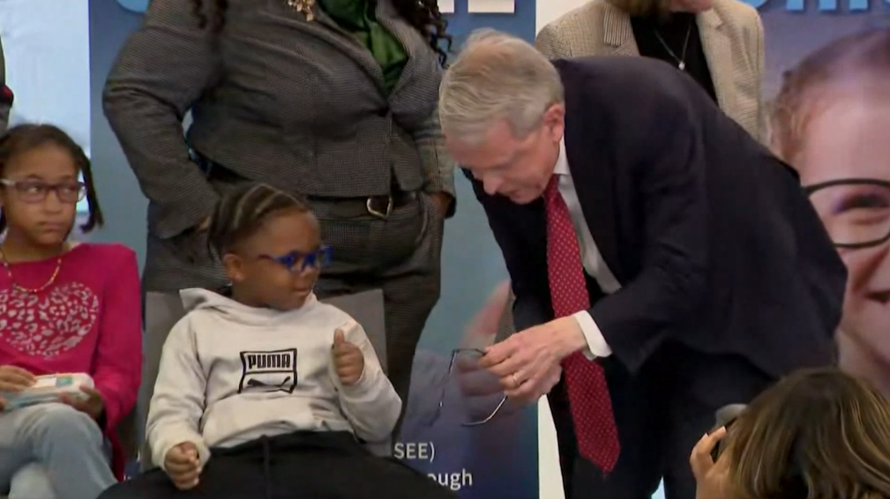
During a visit to Prairie Lincoln Elementary School in Columbus, Governor DeWine underscored the alarming statistics regarding children’s vision health. “Vision care is a crucial part of a child’s overall health and development,” he stated. “We cannot allow a lack of resources to stand in the way of our children’s future,” he added, reinforcing the state’s commitment to ensuring that all kids have the tools they need to succeed academically and personally.
The OhioSEE program comes at a critical time when awareness regarding children’s health disparities is on the rise. Vision impairments can significantly impact a child’s academic performance, social interactions, and overall well-being. According to studies from the American Academy of Pediatrics, undiagnosed vision issues can lead to challenges in learning and development.
The program will focus on making eye care more accessible in counties identified as high-need based on socio-economic indicators and existing healthcare infrastructure. In addition to Franklin, other areas include Hamilton, Cuyahoga, and Lorain Counties. These regions have been characterized by limited access to healthcare resources, significantly disadvantaging children who may need glasses or other vision correction.
OhioSEE will collaborate with local schools and healthcare providers to conduct comprehensive eye exams and provide follow-up services. Mobile eye care units equipped with advanced diagnostic tools will be dispatched throughout participating counties to ensure that even the most remote areas are covered. By partnering with organizations that specialize in pediatric care, OhioSEE aims to create a sustainable model for ongoing vision health in schools.
The initiative also recognizes the role of parents and guardians in promoting eye health. Information sessions will be held for families to educate them about the importance of regular eye check-ups, potential signs of vision problems, and the resources available through OhioSEE. These efforts are crucial in fostering a culture of proactive health management within the community.
Community response to the program has been overwhelmingly positive. Parents, educators, and healthcare professionals express optimism about the potential impact of OhioSEE on children’s health outcomes. Local education leaders, such as Franklin County Schools Superintendent, have voiced strong support for the program. “Children learn best when they can see clearly. This initiative represents a powerful step forward in supporting our students’ needs,” he said.
The need for such programs is underscored by the current state of eye care services across the United States. Recent data indicates that millions of children go without essential vision care, often due to economic barriers. OhioSEE not only addresses this immediate gap but also sets an example for other states grappling with similar issues.
The financial investment in the OhioSEE initiative reflects a broader commitment to improving public health and education through targeted programs. State funding will facilitate eye exams, preventive care, and corrective eyewear, ensuring that the initiative provides lasting benefits to Ohio’s youth.
Looking ahead, the OhioSEE program has the potential to transform the landscape of children’s healthcare across the state. As the program unfolds, officials plan to gather data on its effectiveness and outcomes, aiming to expand its reach and services based on community needs. Future iterations may also explore partnerships with telehealth platforms, making it even easier for families to access eye care services.
In conclusion, the launch of the OhioSEE program is a vital milestone in addressing health disparities among children in high-need areas. By prioritizing vision care, Ohio is not only investing in the health of its youngest residents but also reinforcing its commitment to creating equitable educational opportunities. As the program progresses, its success may inspire similar initiatives across the country, ensuring that all children receive the vision care they deserve—paving the way for a brighter future.
