



Former Property Manager Indicted on Theft and Fraud Charges in Columbus Apartment Complex Scandal
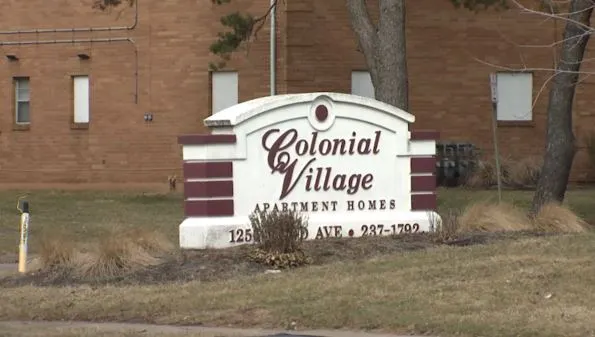
COLUMBUS, Ohio – In a striking development for the east Columbus community, Sylvia Sherman, the former property manager of Colonial Village Apartments, has been indicted on multiple charges including theft and fraud. The indictment comes amid ongoing scrutiny of the living conditions at the apartment complex, which has become a primary residence for approximately 1,300 Haitian immigrants facing challenges in the United States.
The Franklin County Prosecutor’s Office announced the charges on Monday, emphasizing that Sherman, 43, allegedly exploited her position to defraud both the property and its residents. The investigation started after city officials raised concerns about the living conditions and mismanagement at Colonial Village, leading to a deeper inquiry into Sherman’s operations.
Sherman managed the complex during a critical time when many Haitian immigrants were seeking refuge in Columbus, fleeing political instability and economic challenges in their home country. The significant influx of residents raised alarms regarding their safety and well-being, particularly as numerous complaints about substandard living conditions, including lack of maintenance and inadequate facilities, began to surface.
The indictment includes accusations that Sherman misappropriated funds intended for property improvements and maintenance. Allegations suggest that she directed resources away from critical repairs and denied residents the services they were entitled to, which resulted in deteriorating living conditions. The charges detail a pattern of deceit through false representations about the property’s financial status and misuse of collected rents.
Colonial Village, a complex with a history of financial issues and management failures, has not only been a home for many seeking a fresh start but also a site of increasing frustration and advocacy from community members and activists. Local organizations, including the Columbus Coalition for Immigrant Rights, have voiced concerns about the treatment of immigrants residing at the complex, advocating for their rights and demanding better living conditions.
“The charges against Ms. Sherman highlight a significant failure in protecting some of our city’s most vulnerable residents,” said Franklin County Prosecutor G. Gary Tyack during a press conference announcing the indictment. “It is imperative that we ensure accountability in housing management, especially when it concerns individuals who are already facing significant challenges in their lives.”
The indictment marks a pivotal moment for Colonial Village and could potentially set a precedent for how property management companies nationwide are held accountable for their actions. Legal experts suggest that if convicted, Sherman could face substantial penalties, including financial restitution to affected residents and possible jail time.
Community advocates are hopeful that this case will prompt further investigation into the management practices of other apartment complexes housing immigrant populations. “We need to ensure that no one, regardless of their background, has to endure the kind of treatment that has been reported here,” stated Maria Lopez, a local activist. “This could be a turning point in ensuring the rights of all renters are protected, particularly those who are often overlooked.”
With immigration challenges continuing to be a contentious issue in the United States, the situation at Colonial Village underscores the intersection of housing rights, immigrant advocacy, and the legal system. This case has potential implications not just for local governance but also for federal policies concerning the treatment of immigrants and the responsibilities of property managers in their communities.
As the legal proceedings unfold, many in the community will be watching closely. Advocacy groups are preparing to rally support for the residents of Colonial Village, pushing for immediate improvements to living conditions and seeking comprehensive reforms to protect tenants in similar situations.
Looking ahead, authorities and community leaders must address the broader implications of this case. It raises crucial questions about the adequacy of existing regulations governing rental properties and highlights a growing need for enhanced oversight of property management companies, especially those servicing vulnerable populations.
The outcome of Sylva Sherman’s case may very well set a new standard for accountability and ethical conduct in the housing sector across the United States.
