


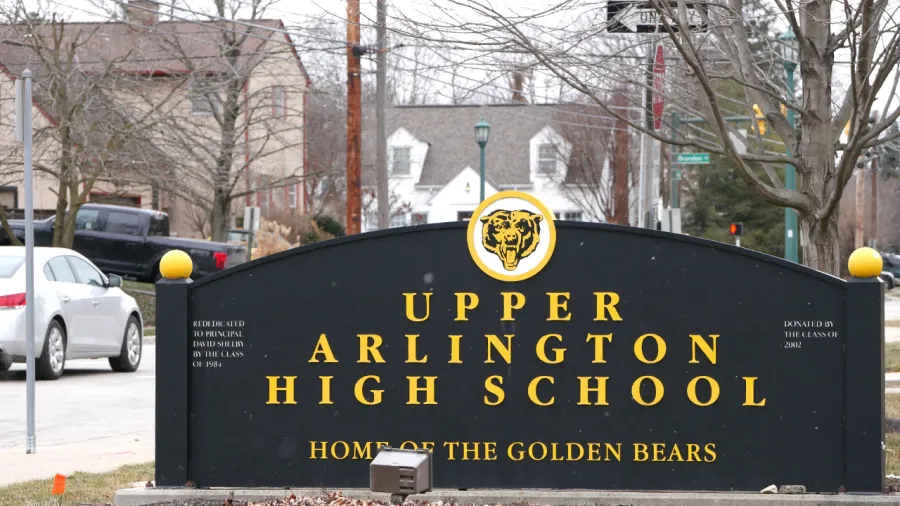

Court Approval Sought for Reburial of Unidentified Human Remains at Upper Arlington High School
UPPER ARLINGTON, Ohio – In a somber development, Upper Arlington Schools have filed a petition with the local court seeking permission to rebury unidentified human remains that were unearthed at Upper Arlington High School six years ago. The discovery, which included bones and bone fragments belonging to three individuals as well as a complete skeleton of a 9- or 10-year-old girl, came to light during renovations intended to modernize the educational facility.
The unsettling find has reignited discussions surrounding the historical significance of the site, as well as ethical considerations regarding the treatment of human remains. The remains were discovered in 2017, prompting immediate investigations that revealed little about the identities or circumstances surrounding the deceased. Since then, the school district has grappled with the responsibility of honoring the memory of those whose lives were lost, while also balancing the needs of the student body and the community at large.
Jennifer Schott, a spokesperson for Upper Arlington Schools, expressed the district’s commitment to handling the situation with care and dignity. “Our intention is to provide a respectful solution to this sensitive matter,” she stated. The district is working closely with state archaeologists and anthropologists to ensure that the remains are treated appropriately throughout the reburial process.
The remains were found nestled beneath the school’s grounds, an area that has been occupied for decades. The school district’s decision to file for court approval reflects a pressing need to complete necessary renovations while also restoring the site to a respectful state. The proposed reburial plan includes consultation with descendants, historians, and cultural organizations to ensure a culturally sensitive approach to honoring the deceased.
The identification process has proven difficult, as the remains lacked any identifiable markings that could connect them to known individuals. Ohio’s legal framework mandates that any unidentified human remains be treated with the utmost respect, highlighting the ethical considerations in archaeology and anthropology. Local historians are particularly invested in this issue, as they believe the findings could shed light on the region’s past.
Dr. Emily Sanders, an anthropologist at Ohio State University, underscored the importance of recognizing the human aspect of such discoveries. “It’s critical that we treat these remains not just as archaeological artifacts, but as human beings who had lives, families, and stories,” she said. “They deserve to be treated with the dignity that any individual should receive.”
The implications of this case extend far beyond the confines of Upper Arlington High School. The incident has prompted a broader dialogue about how schools and municipalities address historical sites, especially those that may hold human remains. With many communities across the nation grappling with similar dilemmas, the Upper Arlington case may set a precedent for other institutions faced with challenging discoveries as urban areas expand and develop.
As the court deliberates on the district’s request for approval, Upper Arlington Schools continue to engage the community in discussions about the appropriate means of paying tribute to the identified remains. Additionally, they have vowed to uphold transparency in the process and keep parents and local residents informed as new developments unfold.
The timeline for the court’s decision remains uncertain, but stakeholders are hopeful for a positive outcome that would pave the way for the respectful reburial of the remains. As more institutions and communities reflect on their historical landscapes, the choices made in Upper Arlington could offer valuable guidance on how to merge modern development with respect for the past.
This case not only serves as a reminder of the complex conversations surrounding human remains in educational spaces but also emphasizes the vital need for communities to confront the realities of their histories. As the district prepares for its next steps, the hope remains that the decision will honor the lives of those who were lost and provide peace to a community navigating a sensitive journey of discovery and healing.
