



Ohio Lawmakers Convene to Address State’s Housing Crisis at Annual Summit
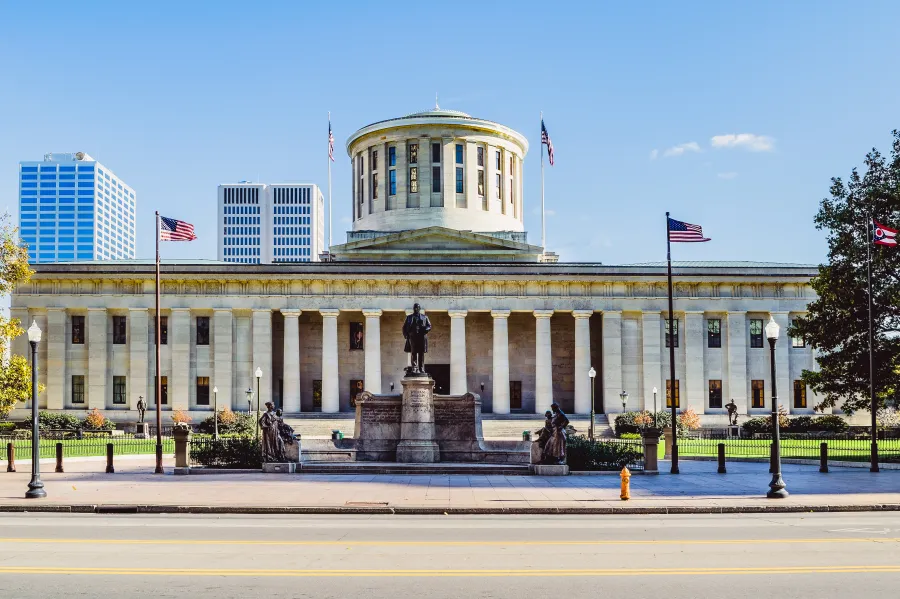
COLUMBUS, Ohio — As Ohio grapples with a deepening housing crisis, state lawmakers gathered at the Statehouse Thursday for the fourth annual Chamber of Commerce Housing Summit. The event aimed to address critical issues affecting housing availability and affordability across the state, showcasing a united front from various sectors concerned about the implications of the ongoing crisis.
Chamber President and CEO Steve Stivers delivered a poignant opening address, emphasizing the far-reaching impact of the housing crisis on Ohio’s economy. “When people don’t have a stable place to live, it affects every facet of our society—from individual well-being to business productivity,” Stivers asserted. His remarks set the tone for what was a spirited discussion on potential legislative solutions to ease the burden on Ohio’s housing market.
The summit attracted key figures from various sectors, including state lawmakers, local government officials, housing advocates, and business leaders. Among the attendees were Governor Mike DeWine and Ohio House Speaker Jason Stephens, who both recognized the urgency of the crisis. With escalating housing costs and a burgeoning rental market, many Ohioans are finding it increasingly difficult to find affordable housing.
The Crisis at Hand
The Ohio housing market has experienced significant strain, exacerbated by factors such as rising interest rates, limited housing inventory, and an influx of residents during the post-pandemic recovery. A recent report indicated that nearly 1.5 million Ohio households are spending more than 30% of their income on housing, a benchmark often cited as a tipping point for financial instability.
“We are facing a crisis that is not just about a lack of homes, but a lack of livable conditions,” Speaker Stephens noted during his speech. He called for a collaborative approach among lawmakers, developers, and community organizations to address the multifaceted challenges contributing to the housing shortage, including zoning restrictions and lack of funding for affordable housing projects.
Legislative Proposals on the Table
During panel discussions, several legislative proposals were presented. One significant recommendation was the introduction of tax incentives for developers who prioritize affordable housing projects. Advocates argue that this could stimulate a much-needed increase in the construction of multifamily housing units, which have been largely stagnant.
Additionally, proposals for easing zoning regulations were discussed, aimed at facilitating the quicker development of housing solutions in areas with high demand. “Innovative zoning practices can help us build the homes that communities desperately need. We can’t afford to delay action any longer,” noted Michelle Mills, a housing advocate who spoke at the event.
The Role of Community
The summit also highlighted the importance of community engagement in the decision-making process. Local organizations, including Habitat for Humanity and local housing coalitions, are essential partners in the effort to create sustainable housing solutions. “Community voices must be at the center of housing policy discussions,” said John Hunter, a representative from a local nonprofit organization supporting housing initiatives. He emphasized that understanding residents’ needs is crucial for developing effective, long-term solutions.
Future Implications
As Ohio moves forward, the discussions from the Housing Summit are likely to shape upcoming legislative sessions. With a growing sense of urgency surrounding the housing crisis, lawmakers must act decisively to implement solutions that address both the immediate and long-term challenges facing residents.
The stakes are high: as the cost of living continues to rise, failure to address the housing crisis could further exacerbate economic disparities and push vulnerable populations into increasingly precarious living situations. “We owe it to our constituents to ensure that everyone in Ohio has access to safe, affordable housing,” Governor DeWine concluded.
With legislative sessions on the horizon, the future of Ohio’s housing market hangs in the balance. The collaborative efforts showcased in this summit may prove pivotal in steering the state toward a more equitable housing landscape, but only time will tell if these discussions translate into effective policy changes and, ultimately, improved living conditions for Ohioans.
