


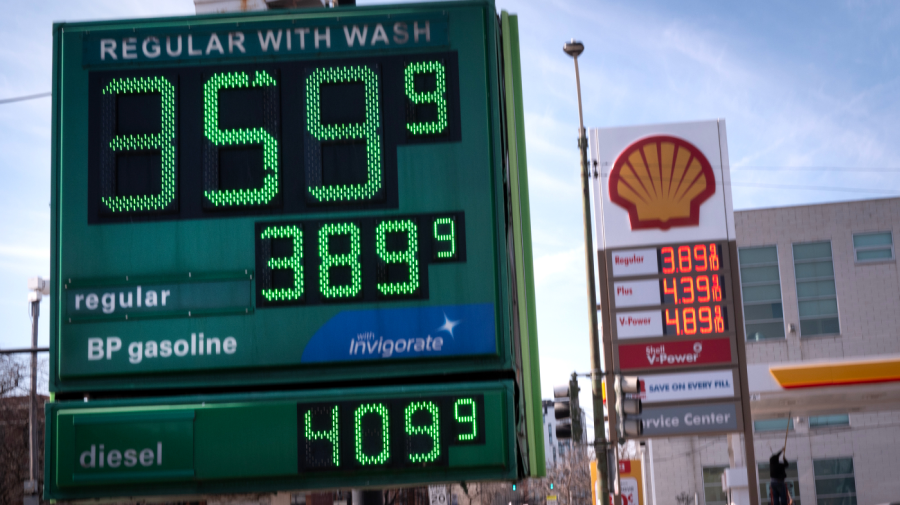

Oil Prices Surge as Iran Conflict Disrupts Global Markets, Ohioans Face Rising Gas Costs
COLUMBUS, Ohio — The ongoing conflict in Iran has triggered a significant increase in oil prices, reverberating through the economy and impacting consumers across the United States. As tensions escalate in the Middle East, fears of prolonged disruptions to global oil supplies have driven prices at the pump to alarming levels, and residents in central Ohio are feeling the pinch.
At a gas station in downtown Columbus, several customers expressed their frustration as they filled their tanks, noting the dramatic increase in prices over the past few days. “I usually fill up for around $40, but today it cost me nearly $60,” said Jake Thompson, a local construction worker. “It’s affecting my budget and making it harder to get to work.”
“As soon as I heard about the situation in Iran, I knew gas prices would go up,” said Maria Gonzalez, a college student who commutes to classes. “It feels like they rise overnight, and it’s hard to plan your expenses when the prices are so unpredictable.”
The escalation of military tensions in Iran has caused a ripple effect in the global oil market, with prices soaring by nearly 10% in just a matter of days. Brent crude oil, a key benchmark for international oil prices, reached $95 per barrel—a sharp spike that reflects market anxiety over stability in one of the world’s largest oil-producing regions. As concerns grow over potential supply shortages, traders are responding with drastic increases.
The fluctuations in oil prices are not just affecting consumers but have broader implications for the economy as a whole. The U.S. Energy Information Administration reported a rise in fuel costs nationwide, illustrating how interconnected the global economy is. Higher oil prices can lead to increased transportation costs for goods and services, inevitably trickling down to consumers in the form of higher prices for everyday essentials.
While the White House has reiterated its commitment to maintaining energy stability, industry analysts warn that the impact of the conflict could be ongoing. “Unless we see a de-escalation in Iran, these price increases could persist,” said David Yates, an energy analyst at the U.S. Department of Energy. “The situation is a wake-up call for Americans about our vulnerability in regards to foreign oil dependency.”
The ramifications of rising oil prices extend beyond just fuel; they also influence inflation rates, which have already reached concerning levels in recent months. The Federal Reserve has been actively monitoring inflation, and rising energy costs may prompt further adjustments to monetary policy. This is particularly critical as the nation navigates a fragile economic recovery in the wake of the COVID-19 pandemic.
Experts suggest that individuals and businesses should prepare for potential long-term increases in fuel costs. Some may consider adjusting their transportation habits, opting for public transit or carpooling in an effort to mitigate the growing expense of commutes. “Every little bit helps, and in times like these, we have to be resourceful,” remarked Thompson.
In response to the rising gas prices, state officials are exploring ways to cushion the impact on Ohioans. Governor Mike DeWine has proposed potential interventions aimed at stabilizing fuel costs, which could include temporary tax relief or community initiatives to increase the availability of public transport. “Our priority is to ensure Ohioans are not disproportionately affected by these geopolitical developments,” DeWine stated in a recent press conference.
However, analysts caution against seeking immediate relief through price interventions, as these could have unforeseen consequences on supply chains and market dynamics. “Temporary fixes can lead to longer-term issues if not handled carefully,” warned economist Sarah Lee. “It’s vital for policymakers to strike a balance between addressing immediate consumer needs without disrupting market efficiencies.”
As the situation in Iran continues to unfold, the implications for the American economy remain steadfast. With an impending winter and rising energy consumption, Ohioans and others nationwide could be facing a challenging season ahead. If tensions in the Middle East escalate further, the nation could see a profound shift in energy policy and consumption patterns.
In conclusion, while consumers in central Ohio are feeling the heat at the pump, the global economy is on the brink of a potential crisis that could reshape energy consumption and policy in the United States. As the conflict in Iran evolves, both individuals and policymakers will need to adapt to an uncertain landscape that could significantly impact daily life and economic stability.
