


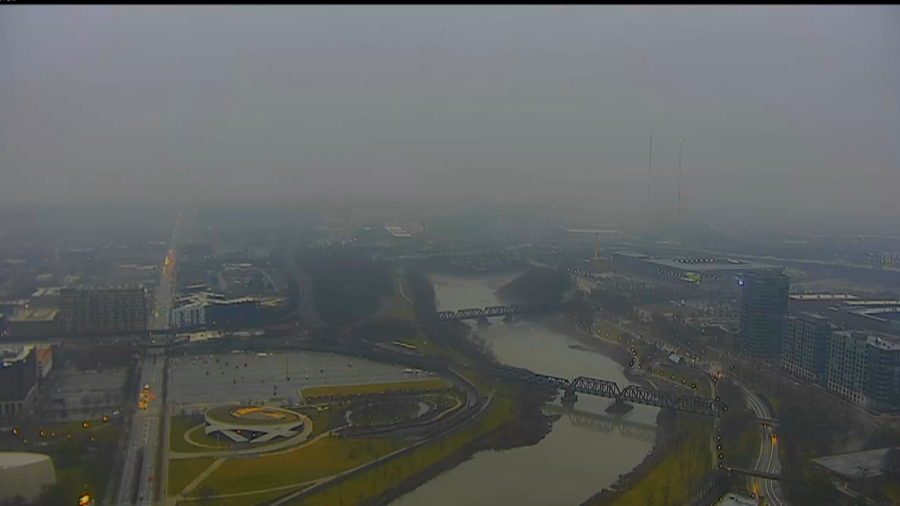

Cloudy Skies and Mild Temperatures Mark Week Ahead in the Midwest
In a shift from the recent chill, the Midwest is set to experience milder temperatures and overcast skies this week, with forecasts predicting highs in the mid-50s accompanied by occasional showers. The weather phenomenon is part of a larger pattern that hints at the gradual transition towards spring, a season that carries both environmental and social implications for residents across the region.
As temperatures begin to rise, many residents are eager to shed their heavy winter jackets and engage in outdoor activities. However, the persistent cloud cover and intermittent rain may slow the process of warming for some time yet. This week’s weather is primarily influenced by a low-pressure system moving across the Midwest, reshaping everyday life for millions.
Local meteorologists suggest that while this weather may not inspire outdoor gatherings, it could play a vital role in replenishing groundwater supplies after a relatively dry winter. According to meteorological data, an increase in moisture is critical ahead of growing season, especially as several states in the Midwest prepare for agricultural planting.
Farmers in states like Ohio, Indiana, and Illinois are watching the forecasts closely. The early spring rains are instrumental for crops that rely on consistent moisture levels before planting begins. “We rely heavily on these early-season showers; they help prepare the soil for planting,” says Tom Schneider, a corn and soybean farmer from southern Ohio. “If we get ample rain now, it could mean a good yield later in the year. But too much rain too fast could lead to flooding, so it’s about finding that balance.”
The USDA (United States Department of Agriculture) has indicated that the agricultural outlook for the Midwest remains robust, provided the weather cooperates. Farmers across the region have increasingly adopted precision agriculture technologies that allow them to adapt to changing weather patterns more effectively. These advancements in farming practices will be vital as climate change continues to affect traditional seasonal weather predictions.
This week’s weather forecast also intersects with important public health and safety considerations. Cooler temperatures and rain can lead to an uptick in illness, particularly respiratory issues. Health officials recommend that residents stay vigilant, especially as the COVID-19 landscape continues to evolve. “As we move from winter to spring, the overlap of colds, flu, and COVID-19 can create challenges for healthcare resources,” warned Dr. Lisa Rogers, an epidemiologist from Cleveland. “Staying informed about vaccinations, including flu shots and COVID boosters, is essential during this transition.”
Moreover, the potential for rain also brings opportunities for community engagement through environmental initiatives. Local organizations are planning community clean-up days and tree-planting events aimed at refreshing parks and natural areas in anticipation of the warmer months ahead. Rain could aid these efforts, supporting soil stability and the growth of newly planted greenery.
While this week’s weather may present challenges, it also prompts individuals and communities to consider the need for resilience and adaptability. Residents are reminded that weather patterns are becoming less predictable, highlighting the importance of preparation. For families, this may mean having plans in place for sudden changes in weather when heading out for outdoor activities.
Looking ahead, as warm fronts begin to dominate further into March, the transition into spring could usher in significant changes. Seasonal festivals, outdoor markets, and sports leagues are poised to benefit from higher temperatures and sunnier days, though careful monitoring of precipitation will remain crucial.
As communities emerge from the winter months, the combination of cloud cover and milder temperatures may serve as a metaphor for the transition into spring: a period where hope abounds, even in cloudy skies. For the Midwest, this upcoming week acts as a reminder of both the environmental interdependencies and the societal connections that define life in this diverse and agriculturally rich region. Ultimately, how residents respond to changing weather patterns will shape the Midwest’s agricultural health, public well-being, and community vitality in months to come.
