



Smugglers Shift Tactics: Belgian Coast Emerges as New Migrant Launch Point
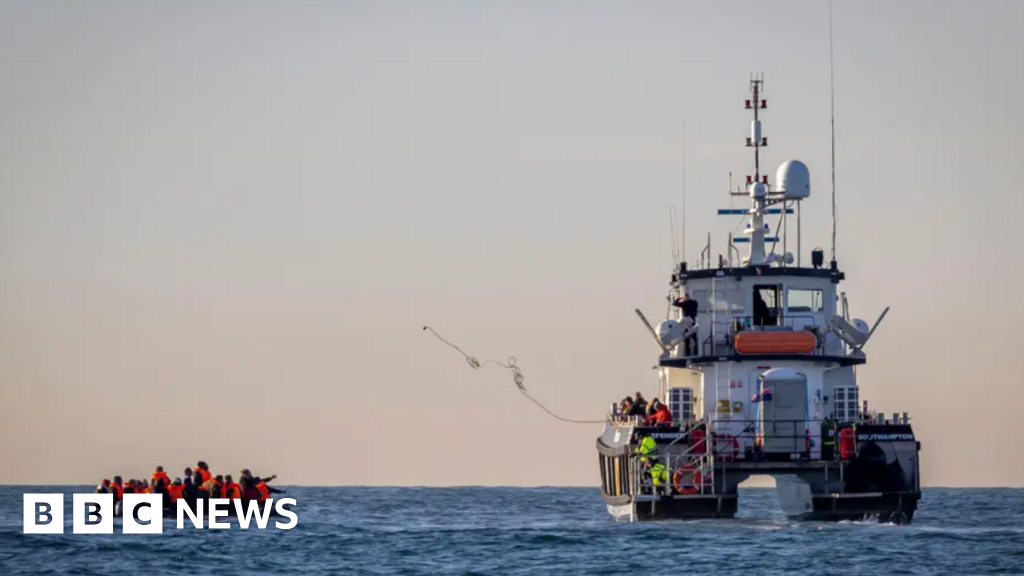
Ostend, Belgium—People smugglers are increasingly targeting Belgium’s coastline as a departure point for migrants heading to the UK, marking a strategic shift away from traditional launch sites in northern France. The trend has raised alarms among Belgian and European authorities, who warn of a growing humanitarian and security challenge along the continent’s northwestern shores.
A Changing Smuggling Route
For years, the French ports of Calais and Dunkirk served as the primary hubs for clandestine Channel crossings. But heightened patrols, bilateral agreements, and stricter enforcement have forced smuggling networks to explore alternative routes. Now, Belgian beaches—particularly near Zeebrugge and Ostend—are becoming staging grounds for small boats packed with migrants.
Local fishermen and coast guard officials report a surge in suspicious activity, including abandoned inflatable boats and groups of individuals hiding in dunes before attempting nighttime departures. “We’ve never seen this level of organization here before,” said a Belgian maritime police officer, speaking on condition of anonymity.
Why Belgium?
Belgium’s coastline offers several advantages for smugglers: its proximity to the UK, relatively lighter surveillance compared to France, and easy access to major transport routes from Germany and the Netherlands. The country’s intricate network of highways and railways also makes it a convenient transit point for migrants arriving from elsewhere in Europe.
Authorities suspect that smuggling gangs are exploiting legal loopholes in Belgium’s immigration enforcement, where detention policies are less stringent than in France. Once migrants reach Belgian soil, they often disappear into the country’s urban centers before regrouping for the final leg of their journey.
European Response Under Scrutiny
The Belgian federal government, led by Prime Minister Alexander De Croo, has pledged to increase coastal patrols and collaborate with UK and French counterparts. But critics argue that reactive measures are insufficient. “This isn’t just Belgium’s problem—it’s a European one,” said migration analyst Clara Vandevelde. “Without a unified strategy, smugglers will keep adapting faster than we can respond.”
The European Border and Coast Guard Agency (Frontex) has yet to deploy additional resources to the region, though pressure is mounting for a coordinated intervention. Meanwhile, the UK has reportedly offered Belgium technical support, including surveillance drones, to monitor the coastline.
Humanitarian Concerns
The risks for migrants attempting the crossing from Belgium are severe. The North Sea’s colder waters and stronger currents make the journey even deadlier than the Dover Strait. Last month, two individuals drowned off the coast of Knokke-Heist after their overcrowded dinghy capsized.
Local aid groups have criticized the lack of safe, legal pathways for asylum seekers, which they say fuels reliance on smugglers. “People don’t risk their lives on a whim—they’re desperate,” said Jonas Willems of Refugee Support Belgium. “Policing alone won’t solve this.”
What’s Next?
As smuggling networks evolve, experts warn that other lesser-monitored coastlines—such as those in the Netherlands or Denmark—could become the next hotspots. The EU’s upcoming summit on migration, scheduled for next month, is expected to address the issue, but divisions over burden-sharing and border security persist.
For now, Belgian authorities are racing to dismantle smuggling operations before the summer peak season. Yet with demand for crossings remaining high and routes constantly shifting, the crisis shows no signs of abating.
The quiet beaches of Belgium, once known for tourism and tranquility, are now the latest front in Europe’s escalating migration challenge.
