


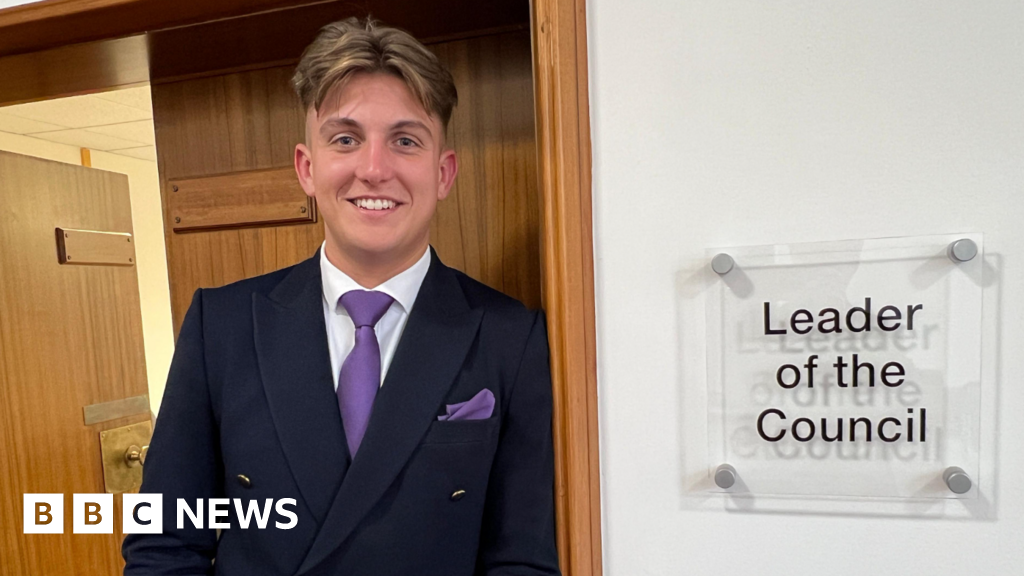

Warwickshire Council Leader Vows to Strengthen Member-Led Governance Amid National Debate
Warwickshire, UK – The leader of Warwickshire County Council has reaffirmed his commitment to ensuring local governments remain “member-led, not officer-led,” in a forceful statement that underscores a growing national debate over decision-making authority in UK councils.
Speaking candidly about his leadership approach, the council leader emphasized the need to “stamp [his] authority” to uphold democratic accountability. “I am still 100% committed to doing everything I possibly can as leader of this council,” he said. “It’s about the emphasis on making sure that councils, not just in Warwickshire, but up and down this country, are member-led, not officer-led.”
The remarks come amid rising scrutiny over the balance of power between elected officials and unelected council officers, who often handle day-to-day operations. Critics argue that excessive officer influence can dilute the democratic mandate of locally elected representatives, while supporters contend that professional expertise is essential for efficient governance.
A National Tension
The issue is not unique to Warwickshire. Across the UK, councils have faced similar tensions, with some elected members accusing senior officers of overstepping their advisory roles. In recent years, high-profile disputes in authorities such as Birmingham and Croydon have fueled calls for clearer delineation between political leadership and administrative execution.
Local government analysts suggest the debate reflects broader concerns about transparency and public trust. “When residents vote for councillors, they expect them to drive policy—not to be sidelined by unelected staff,” said one governance expert. “But the challenge is ensuring that professional expertise still informs decisions without undermining democratic accountability.”
Warwickshire’s Stance
Warwickshire’s council leader has positioned himself as a staunch advocate for reinforcing member-led governance. His comments signal a potential shift in how the council operates, with a stronger emphasis on elected officials setting strategic direction while officers focus on implementation.
The council has faced its own challenges, including budgetary pressures and post-pandemic recovery efforts. A member-led approach, the leader argues, ensures that policy decisions align with the priorities of residents rather than bureaucratic processes.
Public and Political Reaction
Reactions within Warwickshire have been mixed. Some councillors applaud the stance, viewing it as a necessary corrective to bureaucratic overreach. Others caution that sidelining officer expertise could lead to inefficiencies or poorly informed decisions.
Residents’ groups have also weighed in. “We need a balance,” said a spokesperson for a local advocacy organization. “Councillors should lead, but they must also listen to the professionals who understand the complexities of service delivery.”
Future Implications
The broader implications of this debate could reshape local governance structures across the UK. If more councils adopt a stricter member-led model, it may lead to significant changes in how policies are formulated and executed. However, without careful management, the shift risks creating friction between political leaders and the civil servants tasked with turning their vision into reality.
For now, Warwickshire’s leader remains resolute. His insistence on asserting elected members’ authority highlights a pivotal moment for local democracy—one that could influence councils nationwide in the months ahead.
