


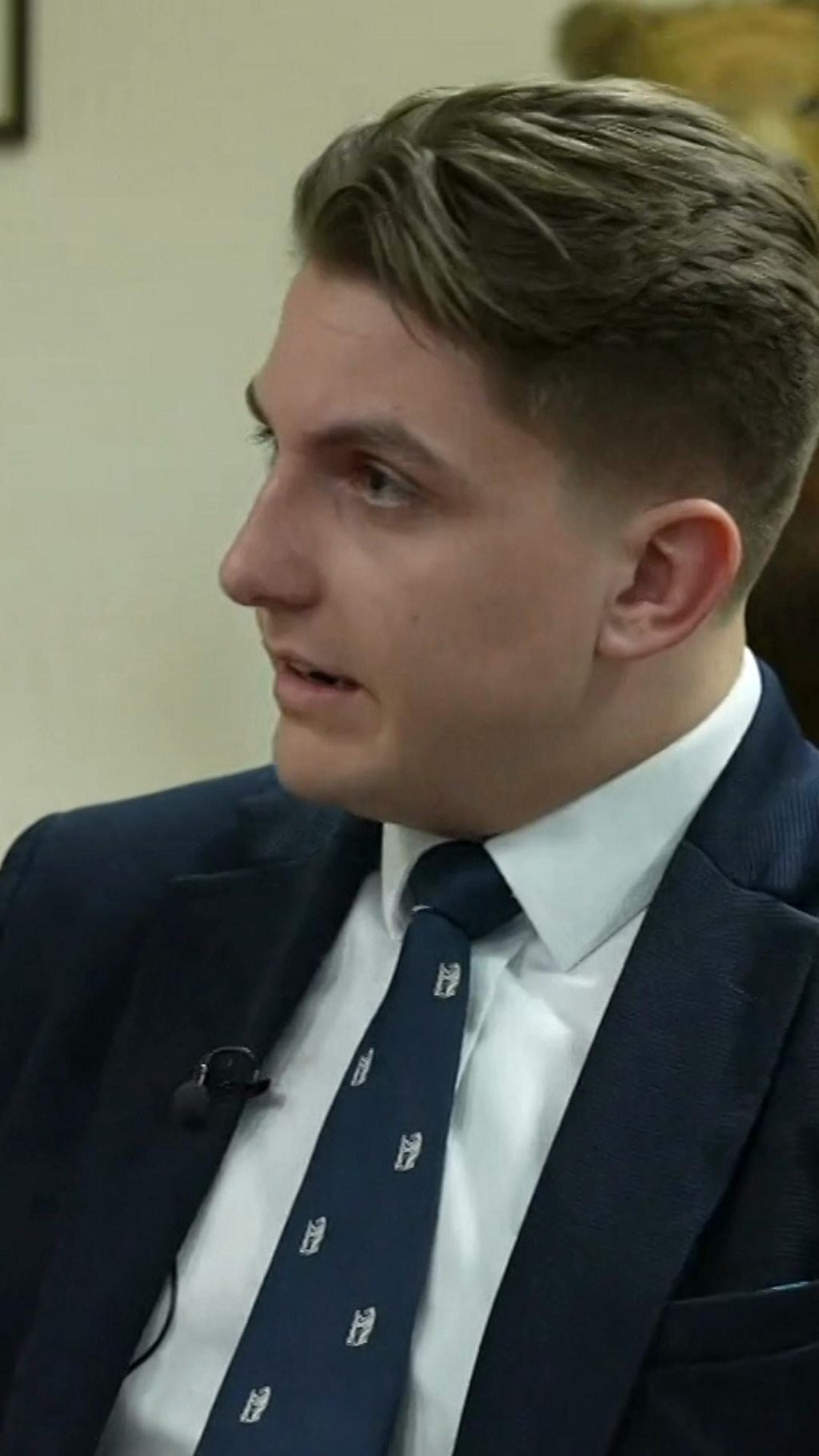

Warwickshire Green Party Councillors Call for Vote on George Finch’s Position
Warwickshire, UK – In a tense development within the Warwickshire Green Party, councillors have formally called for a vote on the future of Councillor George Finch, raising questions about his role and leadership within the local government body. The move highlights growing internal divisions and underscores broader challenges facing green politics in the region.
The decision to hold a vote on Finch’s position was announced during a closed-door meeting of the Warwickshire Green Party’s council members. While the exact reasons for the motion remain undisclosed, sources close to the matter suggest it stems from disagreements over Finch’s leadership style and strategic direction. Critics within the party argue that Finch has failed to unify factions and effectively advance the Green Party’s agenda in Warwickshire.
George Finch, a seasoned politician and long-standing member of the Green Party, has served as a councillor for over a decade, earning a reputation as a vocal advocate for environmental sustainability and social equity. His tenure has included significant contributions to local policies on renewable energy, public transportation, and affordable housing. However, recent months have seen mounting frustrations among party members, who believe Finch’s approach has become increasingly out of step with the party’s evolving priorities.
The Warwickshire Green Party, part of the broader UK Green Party, has long positioned itself as a progressive force in local politics, emphasizing climate action, social justice, and community engagement. Finch’s leadership has been pivotal in shaping the party’s identity in Warwickshire, but his detractors argue that new voices and strategies are needed to address pressing issues such as the cost-of-living crisis, biodiversity loss, and the transition to a green economy.
The call for a vote has sparked intense debate within the party, with supporters rallying behind Finch and praising his dedication and experience. “George has been a cornerstone of our movement in Warwickshire,” said one councillor who wished to remain anonymous. “This vote feels premature and divisive at a time when we should be focusing on our shared goals.”
However, critics contend that accountability is essential for the party’s long-term success. “We’re at a critical juncture, and we need leadership that aligns with the urgency of the challenges we face,” said another councillor. “This vote isn’t personal; it’s about ensuring we’re positioned to make the greatest impact.”
The timing of the vote is significant, coming just months ahead of local elections and amid a national climate of political uncertainty. The Green Party has been striving to expand its influence across the UK, capitalizing on growing public concern over environmental issues and dissatisfaction with traditional political parties. However, internal discord could undermine these efforts, potentially alienating voters and weakening the party’s electoral prospects.
The outcome of the vote remains uncertain, with councillors reportedly divided on Finch’s future. If he is removed from his position, the party will face the challenge of selecting a successor who can unite members and steer the group toward its objectives. Alternatively, if Finch retains his role, the party must address the underlying tensions that prompted the motion to avoid further instability.
This development also raises broader questions about the direction of green politics in the UK. As environmental issues take center stage in national discourse, green parties are grappling with the need to balance idealism with pragmatism, advocating for transformative change while navigating the complexities of governance. The Warwickshire Green Party’s internal deliberation over Finch’s position reflects this broader struggle, highlighting the pressures facing green movements in a rapidly changing political landscape.
Looking ahead, the vote on George Finch’s position could have far-reaching implications for the Warwickshire Green Party and the wider green movement in the UK. A decision to replace Finch may signal a shift toward a more dynamic and collaborative leadership style, while his retention could reinforce the party’s commitment to continuity and experience. Either way, the party’s ability to emerge united and focused will be critical as it prepares for upcoming elections and seeks to amplify its message on the national stage.
As the Warwickshire Green Party convenes to decide Finch’s fate, the eyes of local constituents and political observers alike will be fixed on the outcome, watching to see how one of the UK’s most prominent green parties navigates this pivotal moment. The decision will not only shape the future of George Finch’s political career but also influence the trajectory of green politics in Warwickshire and beyond.
