


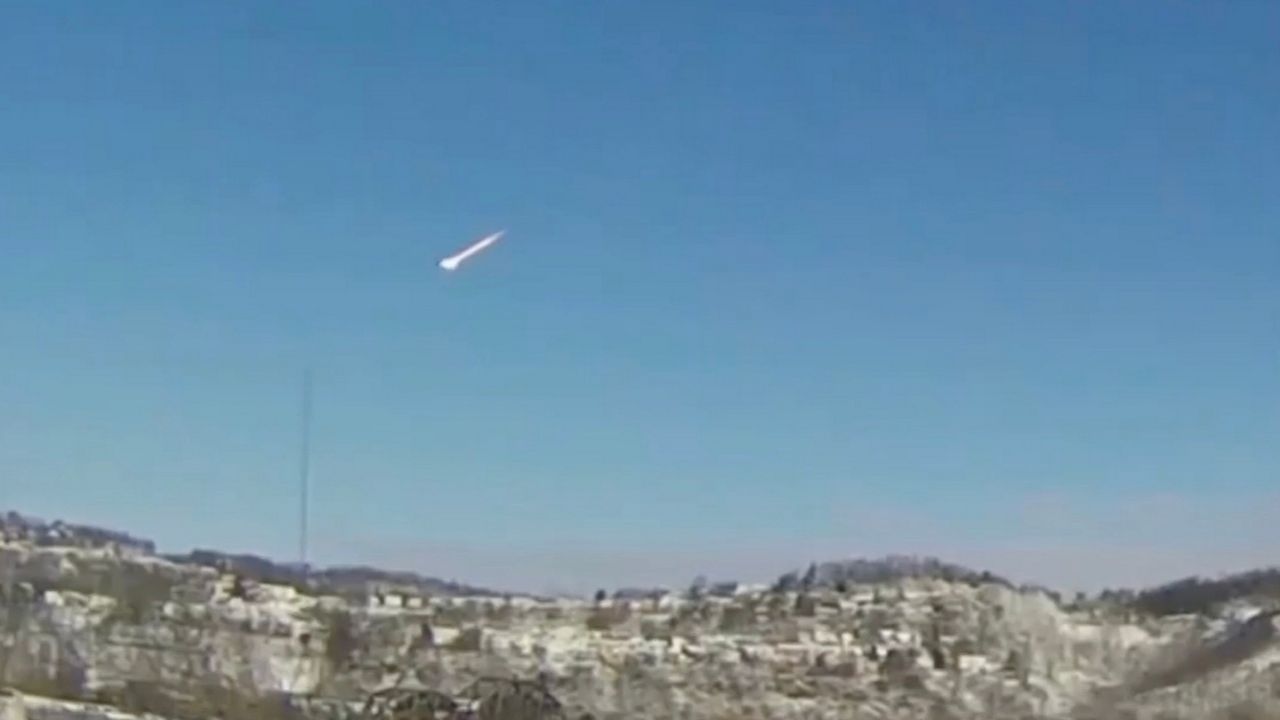

Massive Fireball Lights Up Ohio Sky, Captivates Midwest Observers
A dazzling fireball lit up the skies over northeastern Ohio this week, captivating thousands of observers across multiple states. The meteor, estimated to be nearly six feet wide and weighing seven tons, streaked across the atmosphere on Tuesday before disintegrating into smaller fragments.
The American Meteor Society (AMS) reported sightings stretching from Wisconsin to Maryland, marking one of the most widely witnessed meteors of the year. According to NASA, the space rock traveled more than 34 miles (55 kilometers) through the upper atmosphere before breaking apart. No meteorite fragments have been recovered yet.
While the event was dramatic, experts emphasize that such occurrences are far from rare. Here’s what you need to know about meteors, fireballs, and the science behind these celestial wonders.
What’s the Difference Between a Meteor, Asteroid, and Meteorite?
Asteroids are remnants from the formation of the solar system 4.6 billion years ago, composed of rock, ice, or metal. A meteoroid refers to a smaller fragment of an asteroid or comet. When a meteoroid enters Earth’s atmosphere and burns up, it creates a glowing trail of light known as a meteor. If the meteor appears brighter than Venus, it’s classified as a fireball. Should any part of it survive the journey and land on Earth, it’s called a meteorite.
How Common Are Meteors?
Meteors are a frequent occurrence, with flashes of light appearing in the night sky regularly. During meteor showers, such as the annual Perseids in mid-August, observers can often see dozens of meteors per hour under clear skies. NASA describes the Perseids as one of the most spectacular meteor showers, drawing stargazers worldwide.
What About Fireballs?
Fireballs are equally common but often go unnoticed. The AMS estimates that several thousand fireballs occur in Earth’s atmosphere every day. Most, however, happen over oceans or uninhabited areas, or during daylight when they’re harder to spot.
Despite this, public reports of fireballs are on the rise. So far this year, the AMS has logged more than 100 reports for 10 separate fireballs, averaging nearly one per week. Organizations like the AMS and the International Meteor Organization encourage people to report sightings to help scientists track and analyze these events.
Why Do Meteors Disintegrate Before Landing?
Meteoroids travel at astonishing speeds, ranging from 25,000 mph (40,233 kph) to 160,000 mph (257,495 kph). As they collide with Earth’s atmosphere, the intense pressure compresses the air in front of them, generating extreme heat. This causes the meteoroid to melt and break apart, often disintegrating entirely before reaching the ground.
A Skywatcher’s Delight
This week’s fireball over Ohio not only thrilled onlookers but also serves as a reminder of the dynamic and ever-changing nature of our solar system. While such events can seem alarming, scientists assure that most meteors pose no threat to Earth.
For those eager to witness similar phenomena, the upcoming Perseids meteor shower offers a prime opportunity. Clear skies and a bit of patience could reward skywatchers with a breathtaking celestial display.
— Reported by Nexio News
