


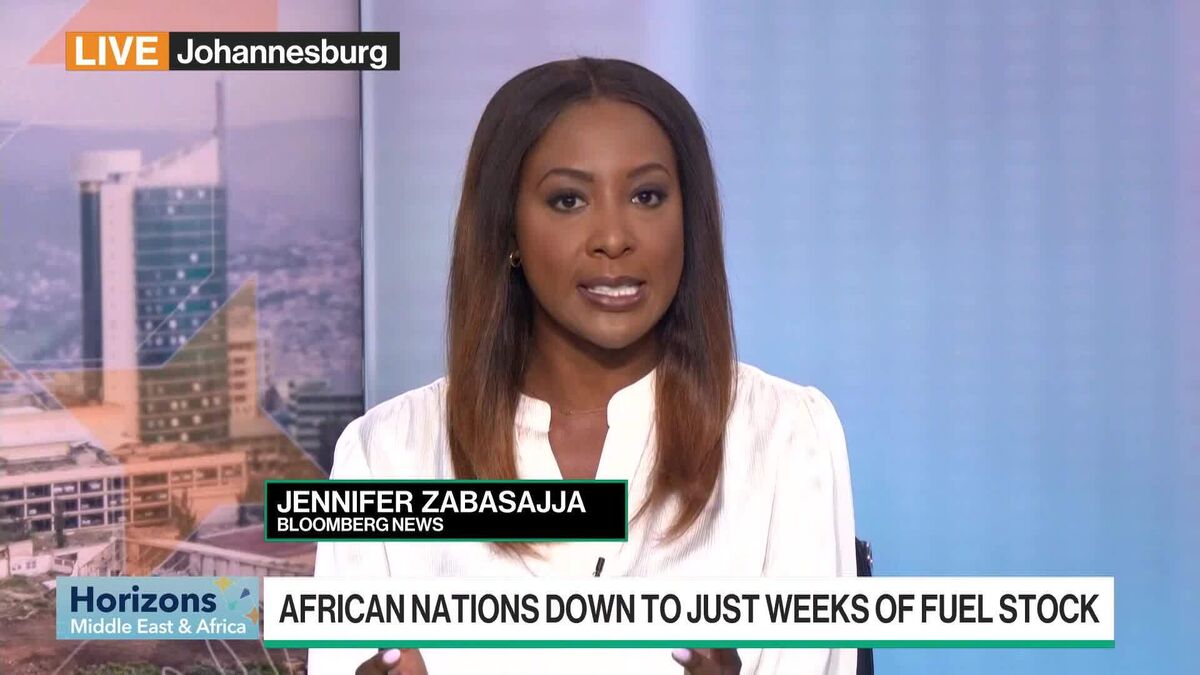

Fuel Crisis Looms as Strait of Hormuz Disruptions Threaten African Energy Supplies
Global Oil Markets in Turmoil as African Nations Face Critical Shortages
The escalating tensions in the Middle East have triggered a fuel crisis that now threatens to destabilize energy supplies across Africa, with several nations facing critical shortages within weeks. As Iran’s conflict disrupts shipments through the vital Strait of Hormuz, oil-dependent African economies—many lacking domestic refining capacity—are being squeezed out by wealthier nations in a frantic global bidding war. The resulting supply crunch risks triggering widespread fuel price surges, economic instability, and potential civil unrest in vulnerable regions.
The crisis underscores Africa’s precarious reliance on imported fuel at a time when global supply chains are under unprecedented strain. With no immediate resolution in sight, governments are scrambling to secure alternatives while analysts warn of a looming humanitarian and economic disaster.
How the Strait of Hormuz Crisis is Strangling Africa’s Fuel Supply
The Strait of Hormuz, a narrow maritime chokepoint between Oman and Iran, serves as a lifeline for global oil shipments, with nearly a third of the world’s seaborne crude passing through its waters. Recent military escalations in the region—including Iranian naval confrontations and retaliatory strikes—have severely disrupted tanker traffic, forcing shipping companies to reroute vessels at exorbitant costs.
For African nations, the consequences are dire. Countries like Kenya, Senegal, and Zimbabwe, which rely almost entirely on imported refined petroleum, are now struggling to compete in a hyper-competitive market where European and Asian buyers are willing to pay premium prices. According to energy analysts, some African states have seen their fuel import costs surge by over 40% in recent weeks, with reserves dwindling to critical levels.
“We are witnessing a perfect storm,” said Jennifer Zabasajja, a Bloomberg energy correspondent covering the crisis. “African nations without refining infrastructure are being priced out, and the situation is worsening by the day. If this continues, we could see severe rationing within a month.”
The Domino Effect: Economic and Social Fallout
The fuel shortages threaten to unleash a cascade of economic disruptions across the continent. Transportation networks, already strained by inflation and supply chain bottlenecks, could face paralysis if diesel stocks run low. In major cities, long queues at petrol stations have already been reported, while black-market fuel prices are surging.
The agricultural sector, heavily dependent on fuel for machinery and logistics, is particularly vulnerable. A prolonged shortage could disrupt food supply chains, exacerbating hunger in regions already grappling with climate-induced droughts. Meanwhile, industries reliant on generators—common in nations with unreliable power grids—could face production halts, further straining fragile economies.
“This isn’t just about higher petrol prices—it’s about survival for many businesses,” said Lagos-based economist Adebayo Oluwaseun. “If fuel supplies collapse, so will entire sectors of the economy.”
Why Africa Remains at the Mercy of Global Oil Markets
The crisis has reignited debates over Africa’s chronic underinvestment in refining capacity. Despite being home to major oil producers like Nigeria, Angola, and Algeria, the continent refines less than a third of its own crude, forcing it to re-import expensive refined products. Decades of mismanagement, corruption, and underfunding have left refinery projects stalled or non-operational, perpetuating dependence on volatile global markets.
“It’s a paradox,” said energy analyst Thando Mkhize. “Africa exports crude oil but imports gasoline and diesel at inflated prices. Until this changes, the continent will remain vulnerable to every geopolitical shock.”
Some nations are now accelerating plans for domestic refining. Nigeria’s long-delayed Dangote Refinery, set to be Africa’s largest, promises to ease reliance on imports—but experts caution that such projects take years to yield results. In the short term, African governments are left with few options beyond fuel subsidies or rationing—both of which carry heavy fiscal and political costs.
Global Responses and the Search for Solutions
International bodies are monitoring the crisis, with the African Union urging coordinated action to prevent a full-blown emergency. Some nations are exploring alternative suppliers, including Russia and Venezuela, though logistical hurdles and sanctions complicate these efforts. Meanwhile, wealthier Gulf states—traditionally key suppliers—are prioritizing shipments to higher-paying markets, leaving Africa at a disadvantage.
The crisis also raises urgent questions about energy transition strategies. While renewable energy projects are expanding, they remain insufficient to offset immediate fuel needs. For now, African leaders face an impossible choice: drain foreign reserves to secure costly imports or risk economic collapse.
A Continent on the Brink
As the Strait of Hormuz crisis deepens, Africa stands as one of its most vulnerable casualties. With fuel reserves shrinking and global competition intensifying, the coming weeks will test the resilience of economies already battered by inflation, debt, and climate pressures.
For millions, the stakes could not be higher. Whether through emergency diplomacy, accelerated refinery projects, or painful austerity measures, the continent must find a way to navigate this crisis—or face the consequences of an energy catastrophe with no easy fixes.
The world watches as Africa’s fuel crisis becomes yet another stark reminder of how geopolitical conflicts ripple far beyond their origins.
