



Global Shifts in Politics: Mayoral Elections Signal Uncomfortable Alliances and Rising Extremism
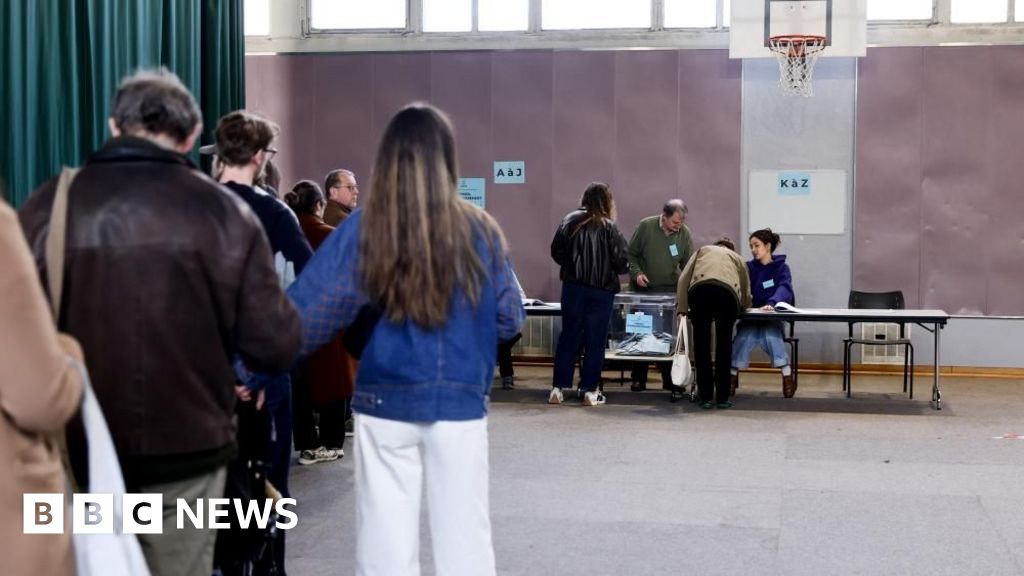
The first round of municipal elections in France has sent shockwaves through the political landscape, revealing a fractured electorate and forcing mainstream parties into uncomfortable alliances. As voters turned out in record numbers, the results underscored a growing polarization, with far-right and far-left parties gaining ground at the expense of traditional centrists. This electoral shake-up is not just a domestic concern—it reflects a broader global trend of political fragmentation, rising extremism, and the erosion of trust in established institutions. In a world grappling with economic uncertainty, geopolitical tensions, and climate crises, the implications of these elections extend far beyond national borders.
A Polarized Electorate: The Rise of Extremes
The elections highlighted a deepening divide within French society, with the far-right National Rally (Rassemblement National) securing significant gains in several key cities. Meanwhile, the far-left coalition, led by Jean-Luc Mélenchon, also made notable inroads, particularly in urban centers. This shift mirrors trends seen across Europe and beyond, where disillusionment with mainstream politics has fueled the rise of populist movements. From Italy’s Brothers of Italy to Germany’s AfD, the allure of radical solutions to complex problems is reshaping political landscapes.
The results also exposed the vulnerability of President Emmanuel Macron’s centrist Renaissance party, which struggled to galvanize voters despite its pro-European and technocratic agenda. This failure to connect with the electorate underscores the challenges facing centrist parties globally, as they grapple with accusations of elitism and detachment from everyday concerns.
Uncomfortable Alliances: The Dilemma for Mainstream Parties
One of the most striking outcomes of the elections is the awkward position in which mainstream parties now find themselves. With neither the center-left nor the center-right securing a decisive majority, the second round of voting will force unlikely coalitions. In some regions, traditional rivals may be compelled to join forces to block the far-right’s advance—a strategy reminiscent of Germany’s “firewall” against the AfD.
However, such alliances are fraught with risk. Collaborating with opponents can alienate core supporters and dilute party identities, potentially accelerating the drift toward the extremes. This dilemma is not unique to France. In Spain, for instance, the Socialist Party’s reliance on Catalan separatist parties has sparked accusations of betrayal among its base. Similarly, in the United States, the Democratic Party’s efforts to bridge its progressive and moderate wings have led to internal friction.
Global Context: Why This Election Matters
The French elections are a microcosm of broader global trends. As countries navigate the aftershocks of the COVID-19 pandemic, inflation, and climate change, voters are increasingly turning to populist leaders who promise quick fixes and a return to stability. This shift poses significant risks for democratic governance, as populist regimes often undermine checks and balances, erode press freedom, and stoke social divisions.
Moreover, the rise of the far-right in France has implications for European unity. As one of the EU’s founding members, France plays a pivotal role in shaping continental policy. A surge in nationalist sentiment could weaken the bloc’s cohesion at a time when solidarity is needed to address shared challenges, such as migration, energy security, and the war in Ukraine.
Human Impact: The Stories Behind the Votes
Behind the headlines are the stories of ordinary citizens grappling with uncertainty. In small towns and rural areas, voters expressed frustration with what they perceive as neglect by urban-centric governments. “We feel forgotten,” said one resident in northern France, echoing sentiments heard in rust belt regions of the U.S. and post-industrial towns in the UK.
Meanwhile, in multicultural cities, the far-right’s rhetoric on immigration and national identity has sparked fear among minority communities. “I don’t recognize my country anymore,” said a young voter of North African descent in Marseille, highlighting the social tensions that underpin the political divide.
Looking Ahead: A Fragile Political Landscape
As France braces for the second round of voting, the stakes could not be higher. The elections are not just a test of political strategy but a referendum on the future of democracy itself. Will voters reaffirm their commitment to pluralism and compromise, or will they embrace the siren call of extremism?
The outcome will reverberate far beyond France, offering insights into the resilience of democratic institutions in an era of profound upheaval. For policymakers, civil society, and citizens worldwide, these elections serve as a stark reminder of the fragility of the social contract and the urgent need to rebuild trust in governance.
In a world increasingly defined by division, the French elections are a bellwether of the challenges ahead. The choices made in the coming days will shape not only the future of France but the trajectory of global politics in an age of uncertainty. As the world watches, one thing is clear: the battle for the soul of democracy is far from over.
