


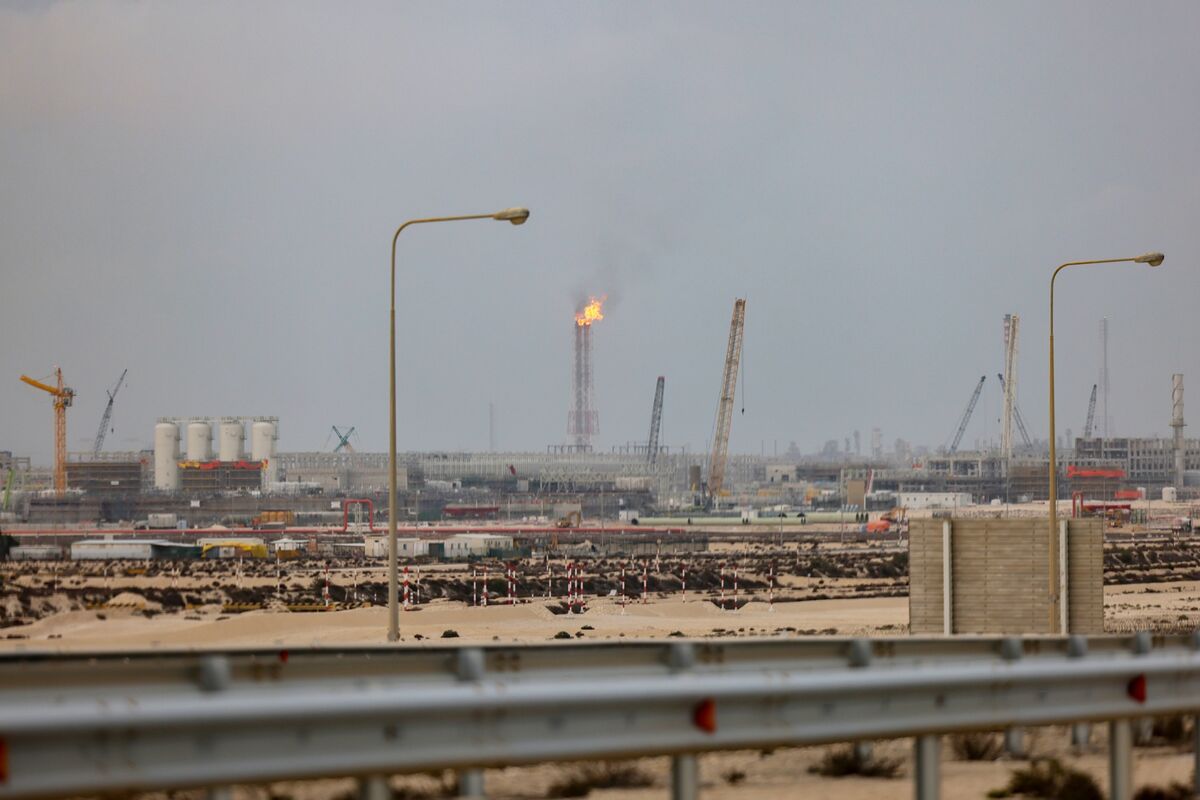

Oil Prices Surge as Persian Gulf Tensions Threaten Global Energy Supply
Escalating Conflict Sparks Market Volatility, Raising Fears of Prolonged Disruptions
LONDON/NEW YORK – Global oil and gas prices surged sharply on Monday as escalating military confrontations in the Persian Gulf heightened fears of long-term damage to critical energy infrastructure. The latest wave of attacks near vital shipping routes has sent shockwaves through commodity markets, with Brent crude climbing over 4% and natural gas futures spiking amid concerns of sustained supply disruptions.
The volatility follows a series of drone and missile strikes targeting key facilities in the region, including refineries and export terminals. Analysts warn that prolonged instability could severely impact global energy flows, particularly for Europe and Asia, which rely heavily on Middle Eastern crude. The situation remains fluid, with geopolitical tensions showing no immediate signs of de-escalation.
Market Reaction: Brent Crude Tops $90 Amid Supply Fears
Brent crude futures rose above $90 a barrel for the first time in months, while West Texas Intermediate (WTI) also saw a sharp uptick, reflecting traders’ growing anxiety over potential supply bottlenecks. Natural gas prices followed suit, climbing nearly 5% in European trading as fears mounted over possible disruptions to liquefied natural gas (LNG) shipments.
“The market is pricing in a significant risk premium,” said Claudia Carpenter, chief energy analyst at Verisk Maplecroft. “Any further escalation that impacts major export hubs like Ras Tanura or the Strait of Hormuz could trigger even steeper price hikes.”
The Strait of Hormuz, a narrow maritime chokepoint through which roughly 20% of the world’s oil passes daily, remains a focal point of concern. Previous conflicts in the region—including tanker attacks in 2019 and the seizure of vessels—have demonstrated how quickly tensions can ripple through global markets.
Geopolitical Flashpoints: Who’s Behind the Escalation?
While no single party has claimed responsibility for the latest attacks, regional analysts point to heightened hostilities involving Iran-backed militant groups, as well as retaliatory strikes by Western and Gulf coalition forces. The shadow war between Iran and Israel has also intensified, with recent incidents targeting both energy infrastructure and commercial shipping.
“The Persian Gulf is a tinderbox,” said Dr. Ali Vaez, Iran Project Director at the International Crisis Group. “Any miscalculation—whether a direct strike on Iranian nuclear facilities or an accidental hit on a major oil installation—could spiral into a broader conflict with catastrophic economic consequences.”
The U.S. and European allies have reportedly stepped up naval patrols in the area, while Gulf states, including Saudi Arabia and the UAE, have reinforced security around critical oil facilities. However, experts caution that defensive measures may not be enough to prevent determined assaults.
Economic Fallout: Inflation Concerns Return
The sudden spike in energy prices has reignited fears of resurgent inflation, complicating central banks’ efforts to ease monetary policy. Higher fuel costs could trickle down to transportation, manufacturing, and consumer goods, reversing recent progress in taming price rises across major economies.
“Just as inflation was cooling, this crisis threatens to undo some of that progress,” warned Gita Gopinath, Deputy Managing Director of the IMF. “Emerging markets, already grappling with high debt burdens, are particularly vulnerable.”
In Europe, where energy security remains fragile following the Russia-Ukraine war, governments are closely monitoring gas storage levels ahead of winter. Meanwhile, Asian importers, including China and India, are exploring alternative suppliers, though options remain limited in the short term.
Industry Response: Contingency Plans Activated
Major oil companies, including BP and Shell, have begun rerouting some shipments away from high-risk zones while assessing potential operational impacts. Traders are also increasing purchases from strategic petroleum reserves (SPRs) to hedge against further instability.
Refineries in Asia and Europe are reportedly adjusting crude blends to accommodate potential supply shifts, though analysts note that substitutes for Middle Eastern grades are often more expensive. “The market is walking a tightrope,” said Vandana Hari, founder of Vanda Insights. “Any prolonged outage would force a painful reshuffling of global supply chains.”
What Comes Next?
With diplomatic efforts stalled and military posturing intensifying, the risk of further disruptions remains high. The UN has called for restraint, but so far, mediation attempts have yielded little progress.
For now, traders and policymakers are bracing for a volatile period ahead. As one senior energy executive privately conceded: “We’re one major incident away from $100 oil.”
The world watches nervously, hoping cooler heads will prevail—but preparing for the worst.
