



Global Markets Brace for Prolonged Middle East Conflict as Geopolitical Tensions Escalate
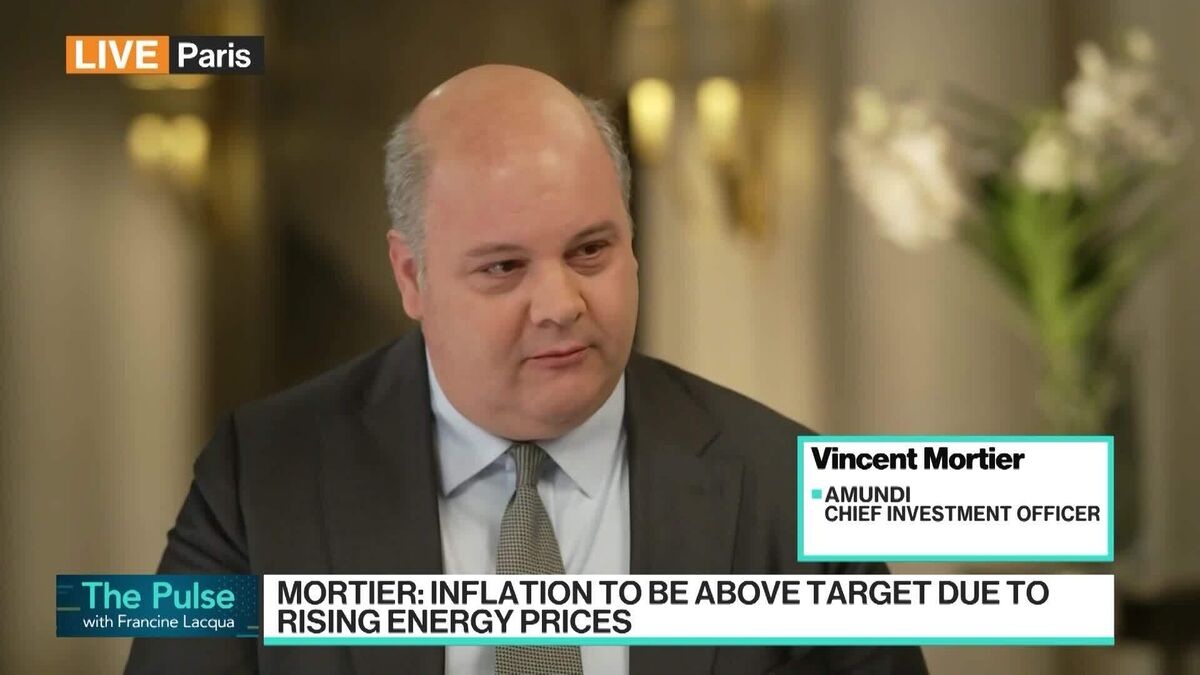
Global financial markets are grappling with heightened uncertainty as fears of a prolonged conflict in the Middle East intensify, prompting investors to reassess risk and recalibrate their strategies. According to Vincent Mortier, Chief Investment Officer at Amundi SA, Europe’s largest asset manager, markets have shifted sharply toward a more pessimistic outlook, with expectations that the ongoing tensions between Israel and Iran could persist for months rather than weeks. Mortier’s remarks, made during an interview with Bloomberg Television, underscore the growing anxiety among investors as geopolitical risks threaten to disrupt global economic stability.
“The next coming days will be very key to define what should happen next,” Mortier warned, emphasizing the critical juncture at which the conflict currently stands. His comments come amid escalating hostilities in the region, which have already triggered volatility across oil markets, currencies, and equities. The potential for broader regional destabilization has raised concerns about the impact on global supply chains, inflation, and central bank policies, particularly as economies worldwide continue to navigate post-pandemic recovery and inflationary pressures.
Escalating Tensions Fuel Market Anxiety
The conflict between Israel and Iran has entered a dangerous new phase following a series of recent developments. On April 13, Iran launched a significant drone and missile attack on Israel in retaliation for an earlier strike on its consulate in Damascus, Syria, which killed several high-ranking Iranian military officials. Israel’s swift response, including targeted counterattacks on Iranian military installations, has heightened fears of a protracted confrontation that could draw in regional allies and global powers.
This escalation marks a significant departure from the historical proxy warfare that has characterized the Israel-Iran rivalry. Analysts warn that direct military engagement between the two nations could destabilize the broader Middle East, impacting critical oil supply routes and exacerbating geopolitical tensions.
The potential for a prolonged conflict has already sent shockwaves through financial markets. Oil prices surged in the immediate aftermath of Iran’s attack, with Brent crude briefly surpassing $90 per barrel, its highest level since October 2023. While prices have since moderated, the risk of supply disruptions remains a pressing concern, particularly for energy-importing nations in Europe and Asia.
Equity markets have also felt the strain, with investors flocking to safe-haven assets such as gold and U.S. Treasury bonds. Gold prices recently hit record highs, reflecting a flight to safety amid mounting geopolitical risks. “The market is pricing in a scenario where the conflict could drag on, with unpredictable consequences for global growth and inflation,” said Mortier.
Economic Implications and Policy Challenges
The geopolitical turmoil comes at a delicate time for the global economy. Central banks in major economies, including the U.S. Federal Reserve and the European Central Bank, have been cautiously navigating the path toward monetary policy normalization after two years of aggressive interest rate hikes to combat inflation. A prolonged conflict in the Middle East could complicate these efforts by driving up energy prices and reigniting inflationary pressures.
“The inflationary impact of higher oil prices cannot be underestimated,” cautioned Mortier. “If the conflict escalates further, it could force central banks to delay rate cuts, prolonging the financial tightening cycle and weighing on economic growth.”
Emerging markets are particularly vulnerable to the fallout from rising energy prices and heightened geopolitical risks. Countries in the Middle East and North Africa (MENA) region, many of which are already grappling with economic challenges, could face additional strain from disruptions to trade and investment flows.
Meanwhile, global supply chains, still recovering from the disruptions caused by the COVID-19 pandemic and the war in Ukraine, face renewed pressure. Attacks on shipping routes in the Red Sea, a critical artery for global trade, have already forced rerouting of vessels, leading to longer transit times and higher transportation costs.
Historical Context and Regional Dynamics
The current tensions between Israel and Iran are rooted in decades of geopolitical rivalry. Iran has long supported proxy groups such as Hezbollah in Lebanon and Hamas in Gaza, aiming to counter Israeli influence in the region. Israel, for its part, has sought to curb Iran’s nuclear ambitions and prevent it from gaining a strategic foothold in neighboring countries.
The recent escalation marks a significant departure from the indirect conflict that has characterized their relationship. Analysts warn that direct military engagement could lead to unforeseen consequences, potentially drawing in regional powers such as Saudi Arabia and Turkey, as well as global players like the U.S. and Russia.
The U.S., Israel’s key ally, has reiterated its commitment to Israel’s security while urging restraint. However, the Biden administration’s ability to mediate remains constrained by domestic political dynamics and broader geopolitical considerations. Similarly, Russia and China have sought to position themselves as potential mediators, reflecting their growing influence in the region.
Investor Sentiment and Strategic Shifts
Amid the uncertainty, investors are reevaluating their portfolios to mitigate risks. Mortier highlighted the importance of maintaining a diversified investment strategy, emphasizing the need to balance exposure to different asset classes and regions.
“In an environment of heightened geopolitical risk, diversification is key,” he said. “Investors should avoid overexposure to volatile assets and focus on preserving capital while identifying opportunities in resilient sectors.”
Some market participants are turning to alternative investments, such as infrastructure and renewable energy, which are seen as less vulnerable to geopolitical shocks. Others are increasing allocations to defensive stocks and currencies perceived as safe havens, including the U.S. dollar and Swiss franc.
Looking Ahead
As the situation in the Middle East remains fluid, the coming days and weeks will be critical in determining the trajectory of the conflict—and its implications for global markets. While diplomatic efforts to de-escalate tensions continue, the risk of further escalation remains high, keeping investors on edge.
Mortier’s warning underscores the need for vigilance in an increasingly unpredictable geopolitical landscape. “Markets are bracing for a period of prolonged uncertainty,” he said. “The challenge for investors will be navigating this volatility while staying focused on long-term objectives.”
For now, the world watches and waits, hoping that cooler heads will prevail—but preparing for the possibility that the conflict could reshape the global economic and political order in ways that are yet to be fully understood.
