



European Central Bank Holds Rates Steady Amid Growing Geopolitical Risks and Inflation Concerns
The European Central Bank (ECB) has opted to keep interest rates unchanged for the sixth consecutive meeting, maintaining its cautious stance as escalating geopolitical tensions in the Middle East threaten to disrupt global markets and complicate efforts to tame inflation. The decision, announced on Thursday, underscores the ECB’s delicate balancing act between supporting economic growth and ensuring price stability in a region still grappling with the lingering effects of the pandemic and energy crises.
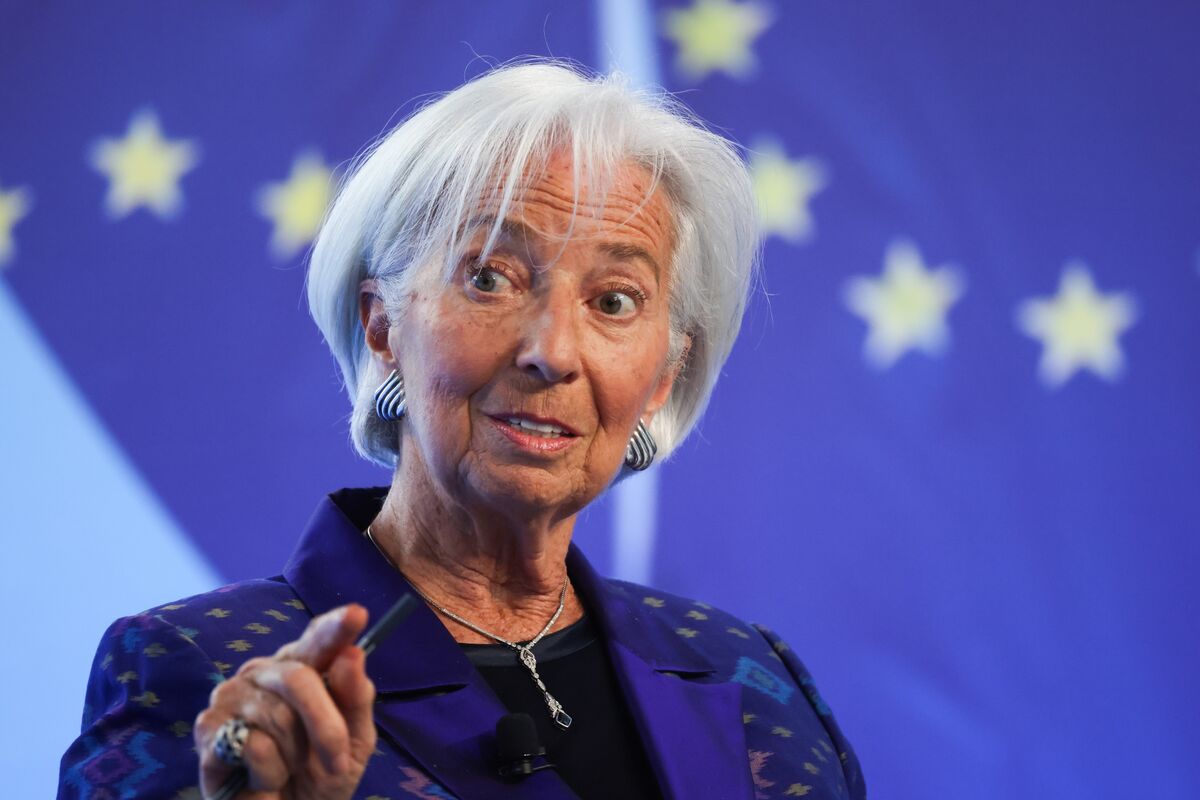
The ECB’s Governing Council left its benchmark deposit rate at a record high of 4.0%, a level it has held since September 2023. While the move was widely anticipated by financial markets, the central bank’s accompanying statement struck a notably cautious tone, highlighting the heightened uncertainty posed by the conflict in Iran and its potential ripple effects on global energy prices and trade flows. ECB President Christine Lagarde emphasized that the situation in the Middle East could “significantly alter the trajectory of inflation and economic growth” in the Eurozone, leaving policymakers on alert for any unexpected developments.
Inflationary Pressures and Economic Uncertainty
The Eurozone has faced persistent inflationary pressures over the past two years, driven initially by surging energy costs following Russia’s invasion of Ukraine and later by bottlenecks in supply chains. While inflation has shown signs of moderating—falling to 2.6% in March 2024 from a peak of over 10% in late 2022—it remains above the ECB’s 2% target. Core inflation, which excludes volatile food and energy prices, has proven particularly stubborn, reflecting rising wage pressures and resilient consumer demand.
The conflict in Iran has added a new layer of complexity to the ECB’s inflation outlook. Analysts warn that any disruption to oil supplies could send energy prices soaring, reigniting inflationary pressures across the region. Iran is a major oil producer, and its involvement in regional conflicts has already stoked fears of further instability. “The geopolitical risks are squarely on the radar of central bankers,” said Klaus Schmidt, chief economist at Berlin-based think tank Policy Insights. “A significant escalation could derail the progress made in bringing inflation under control.”
Growth Prospects Remain Fragile
The ECB’s decision to hold rates steady also reflects growing concerns about the Eurozone’s economic resilience. Economic growth has been sluggish, with GDP expanding by just 0.1% in the final quarter of 2023. Major economies such as Germany, often described as the region’s economic engine, have struggled to regain momentum, weighed down by weak industrial output and faltering exports.
The ongoing geopolitical tensions threaten to further dampen growth prospects by increasing uncertainty for businesses and consumers alike. Higher energy prices, if sustained, could erode household purchasing power and squeeze corporate margins, leading to weaker investment and hiring. Moreover, prolonged instability in the Middle East could disrupt global trade routes, particularly those reliant on the Strait of Hormuz, through which a significant portion of the world’s oil exports pass.
Diverging Paths Among Major Central Banks
The ECB’s cautious approach contrasts with the more aggressive stance adopted by the U.S. Federal Reserve, which has signaled its readiness to cut interest rates later this year as inflation cools and the economy remains robust. This divergence in monetary policy could weaken the euro against the dollar, potentially boosting exports but also raising import costs—including for energy, further complicating the ECB’s inflation fight.
Meanwhile, the Bank of England has also maintained a hawkish stance, reflecting persistent inflationary pressures in the UK. The differing strategies of major central banks underscore the unique challenges facing each region, as well as the difficulty of achieving a synchronized global economic recovery.
Implications for Businesses and Consumers
The ECB’s decision to keep rates steady has drawn mixed reactions from businesses and consumers. While higher borrowing costs have weighed on investment and consumption, particularly in interest-sensitive sectors like housing, some analysts argue that maintaining tight monetary policy is necessary to prevent a resurgence of inflation.
“Businesses are operating in an environment of heightened uncertainty,” noted Maria Gonzalez, CEO of the European Business Federation. “The ECB’s decision to hold rates steady provides some clarity, but the growing geopolitical risks mean that firms must remain agile and prepared for any scenario.”
For consumers, the extended period of high interest rates has made mortgages and other loans more expensive, squeezing household budgets. However, savers have benefited from higher returns on deposits, providing a silver lining for those with disposable income.
A Delicate Balancing Act
As the ECB navigates these complex challenges, its policymakers face mounting pressure to strike the right balance between curbing inflation and fostering economic growth. The central bank has repeatedly emphasized its data-driven approach, pledging to adjust its policies as new information emerges.
“Monetary policy is not on autopilot,” President Lagarde said during the press conference. “We will continue to monitor developments closely and stand ready to act as necessary to ensure price stability and support the economy.”
In the coming months, much will depend on the trajectory of geopolitical developments and their impact on global markets. While the ECB remains cautiously optimistic about the Eurozone’s ability to weather these challenges, the risks are undeniably high. As policymakers brace for potential turbulence, the path to sustainable growth and stable inflation appears increasingly uncertain.
The ECB’s decision to hold rates steady reflects both its commitment to its mandate and its recognition of the unpredictable forces reshaping the global economic landscape. For now, the central bank’s watchful stance underscores its readiness to adapt—but only time will tell whether it can successfully navigate the stormy waters ahead.
