


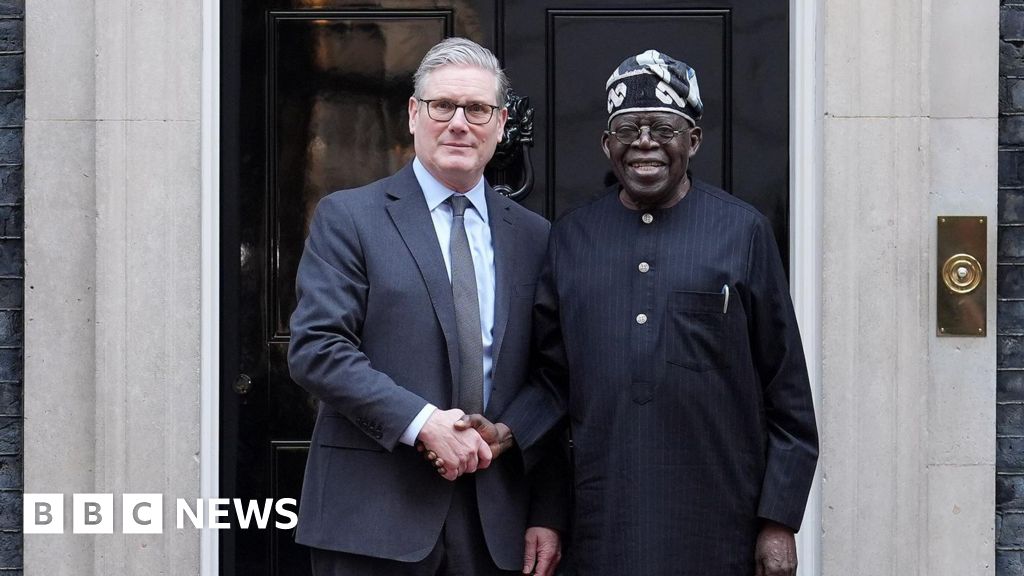

Nigerian President Makes Historic State Visit to UK, First by a West African Leader in 37 Years
London, United Kingdom — Nigerian President Bola Tinubu arrived in the United Kingdom on Tuesday for a landmark state visit, marking the first time a West African leader has been formally hosted by the British government in nearly four decades. The high-profile trip underscores deepening diplomatic ties between Nigeria and the UK amid shared economic and security challenges.
The visit, which includes meetings with Prime Minister Rishi Sunak and King Charles III, comes at a pivotal moment for Nigeria, Africa’s largest economy. Tinubu, who took office in May 2023, has been pushing for international investment to bolster Nigeria’s struggling economy while grappling with rising insecurity and political instability. For the UK, the visit signals a strategic effort to strengthen partnerships in a region where China and Russia have been expanding influence.
A Rare Diplomatic Honor
State visits to the UK are tightly controlled and reserved for close allies, making Tinubu’s invitation a significant diplomatic gesture. The last West African leader to receive such an invitation was then-Ghanaian President Jerry Rawlings in 1986. Analysts say the move reflects Nigeria’s enduring geopolitical weight, despite its domestic struggles.
“The UK is recognizing Nigeria’s central role in Africa’s future,” said Dr. Adeola Adebayo, a Lagos-based political analyst. “This visit isn’t just symbolic—it’s a platform for tangible agreements on trade, security, and energy.”
Key Agenda: Economy and Security
Central to the discussions is Nigeria’s economic crisis, exacerbated by inflation, currency devaluation, and mounting debt. Tinubu is expected to seek British investment in infrastructure and technology, as well as support for Nigeria’s struggling oil sector. The UK, meanwhile, is keen on securing stable energy supplies and expanding its market reach in Africa.
Security cooperation is another priority. Nigeria faces escalating threats from Islamist insurgents in the northeast and rampant kidnappings nationwide. The UK has previously provided military training and intelligence support, and further collaboration is likely on the table.
Controversy and Criticism
The visit has not been without controversy. Human rights groups have criticized the UK for rolling out the red carpet for Tinubu, whose administration has faced allegations of suppressing dissent and failing to curb corruption. Protesters gathered outside Downing Street, demanding accountability for Nigeria’s human rights record.
Yet, British officials have framed the visit as pragmatic diplomacy. “Nigeria is a critical partner,” a senior UK diplomat said. “Engagement, not isolation, is the path to progress.”
What Comes Next?
The outcomes of this visit could shape Nigeria’s trajectory for years. If Tinubu secures major investment deals, it may ease domestic pressures and reinforce his reform agenda. For the UK, stronger ties with Nigeria could provide a counterbalance to China’s growing footprint in Africa.
As Tinubu departs, the question remains: Will this historic visit translate into real change, or will it be remembered as mere pageantry? The answer may determine not only Nigeria’s future but also the balance of power in a rapidly shifting global order.
