



Spain’s Largest Union Warns Against Ousting Indra Chairman Amid Europe’s Military Buildup
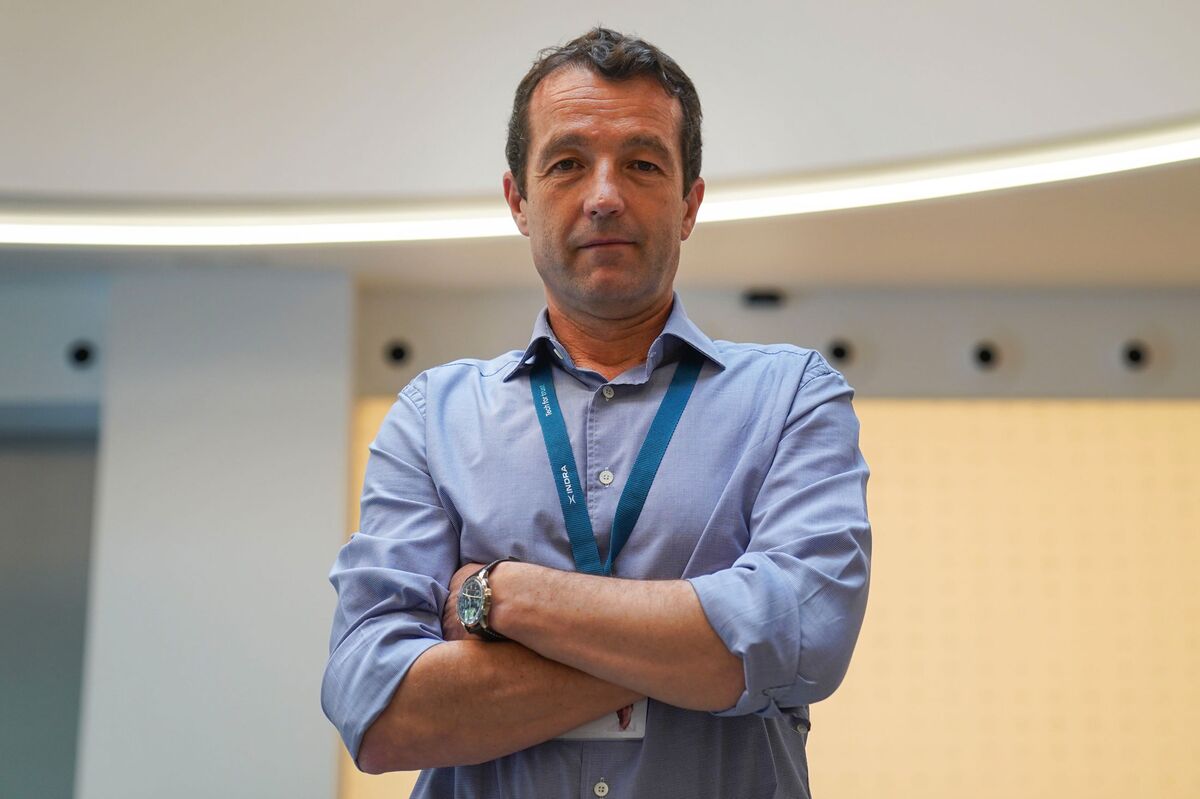
In a dramatic turn of events, Spain’s largest union has thrown its weight behind Ángel Escribano, the chairman of Indra Sistemas SA, warning that attempts to remove him could destabilize the state-backed defense giant at a pivotal moment for Europe’s military expansion. The union’s intervention underscores the high-stakes political and strategic challenges facing Indra, a key player in Europe’s defense sector, as geopolitical tensions rise and nations across the continent ramp up military spending.
The looming power struggle at Indra comes against the backdrop of escalating global instability, driven by Russia’s ongoing war in Ukraine, increasing NATO defense budgets, and Europe’s push to bolster its defense capabilities. Indra, a Madrid-based company specializing in defense, aerospace, and technology solutions, has emerged as a critical player in this evolving landscape, making its leadership stability a matter of national and European importance.
Union Backs Escribano Amid Leadership Turmoil
The Comisiones Obreras (CCOO), Spain’s largest trade union, has publicly endorsed Escribano, arguing that his removal would risk destabilizing Indra at a time when the company is navigating a complex web of geopolitical and economic challenges. The union’s statement highlighted Escribano’s experience and leadership, emphasizing that his departure could disrupt ongoing projects and harm the company’s ability to meet the growing demands of Europe’s defense sector.
“Indra’s stability is crucial not only for Spain but for Europe as a whole,” said a CCOO spokesperson. “At a time when defense and security are top priorities, any leadership instability could have far-reaching consequences.”
The union’s intervention follows reports of an internal power struggle within Indra’s boardroom, fueled by disagreements over the company’s strategic direction. Escribano, who has been chairman since 2021, is reportedly facing pressure from certain shareholders who are pushing for a leadership change. However, the CCOO has cautioned against such a move, warning that it could jeopardize Indra’s position as a key contributor to Europe’s defense modernization efforts.
Indra’s Role in Europe’s Defense Ambitions
Indra Sistemas SA is one of Spain’s most prominent defense contractors, with a portfolio that includes cutting-edge military technology, cyber security solutions, and aerospace systems. The company has played a pivotal role in several high-profile European defense initiatives, including the development of unmanned aerial vehicles (UAVs), advanced radar systems, and cybersecurity infrastructure.
In recent years, Indra’s importance has grown exponentially as Europe seeks to reduce its reliance on U.S. defense technology and bolster its own capabilities. The company’s expertise has made it a key partner for both national governments and European Union institutions, particularly as the continent faces mounting security threats.
The ongoing war in Ukraine has further accelerated Europe’s defense buildup, with NATO members committing to increase military spending to counter potential aggression. Spain, a founding NATO member, has pledged to raise its defense budget significantly, and Indra is expected to play a central role in fulfilling these ambitions.
“Indra is not just a Spanish company; it is a European asset,” said Dr. María López, a defense analyst at the European Council on Foreign Relations. “Its ability to deliver on critical defense projects is essential for Europe’s goal of achieving strategic autonomy.”
Political and Economic Implications
The leadership crisis at Indra has also sparked concerns about the broader political and economic implications of a potential leadership change. The Spanish government, which holds a 27% stake in Indra through the state-owned industrial holding company SEPI, has a vested interest in ensuring the company’s stability.
Indra’s role as a state-backed entity means that any leadership turmoil could reverberate through Spain’s defense and technology sectors, potentially undermining investor confidence and disrupting supply chains. The company employs thousands of workers across Spain and collaborates with numerous suppliers, making its operations critical to the national economy.
“The stakes are incredibly high,” said Juan Martínez, an economist with a focus on the defense industry. “Indra’s success is intertwined with Spain’s broader economic and strategic interests. Any instability at the top could have ripple effects across multiple sectors.”
Balancing Corporate Governance and Strategic Priorities
The debate over Indra’s leadership highlights the delicate balance between corporate governance and strategic priorities in the defense sector. While shareholders have a legitimate interest in ensuring effective management, the unique nature of the defense industry often requires a broader perspective that considers national and regional security concerns.
Escribano’s supporters argue that his leadership has been instrumental in positioning Indra as a leader in Europe’s defense sector. Under his tenure, the company has secured several high-profile contracts and strengthened its partnerships with European governments and institutions.
However, critics contend that Indra’s strategic direction under Escribano has been overly cautious, limiting the company’s ability to capitalize on emerging opportunities in the global defense market. They argue that a leadership change could bring fresh ideas and drive innovation, enabling Indra to compete more effectively on the international stage.
A Critical Juncture for Indra and Europe
As Europe grapples with unprecedented security challenges, the leadership crisis at Indra Sistemas SA has taken on heightened significance. The company’s ability to deliver on critical defense projects will be instrumental in shaping Europe’s response to evolving threats, making its stability a matter of regional and global importance.
The CCOO’s intervention has added a new dimension to the debate, framing the issue as a choice between short-term corporate interests and long-term strategic priorities. Whether Escribano remains at the helm or is replaced by a new leader, the outcome of this power struggle will have far-reaching consequences for Indra, Spain, and Europe’s defense ambitions.
As the situation continues to unfold, stakeholders across the political, economic, and defense sectors will be closely watching Indra’s next moves. In a world increasingly defined by uncertainty, the company’s ability to navigate this crisis could serve as a litmus test for Europe’s broader efforts to secure its future in an increasingly volatile global landscape.
The challenge now lies in striking the right balance between safeguarding corporate governance and ensuring the stability needed to meet Europe’s pressing defense needs. Only time will tell whether Indra emerges stronger from this turmoil or succumbs to the pressures of internal discord.
