


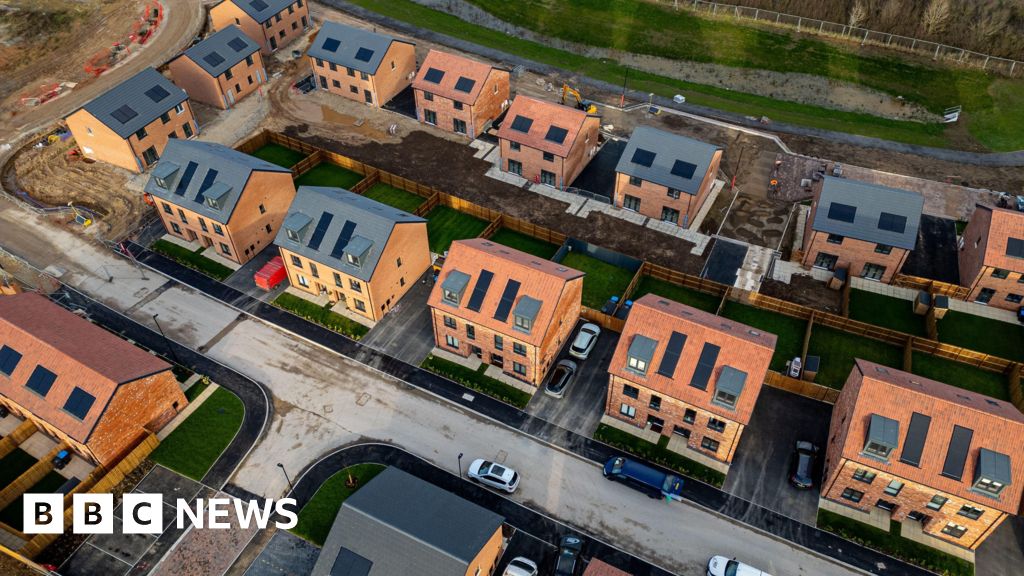

Six Sites Removed from Priority List in Major Housing Development Scheme
Six proposed sites have been deprioritized in a high-profile government initiative aimed at addressing the UK’s housing crisis by constructing new settlements. The decision marks a significant shift in the flagship scheme, which seeks to alleviate housing shortages by building sustainable, large-scale communities across the country.
The initiative, led by the Department for Levelling Up, Housing and Communities (DLUHC), has faced mounting scrutiny over its feasibility and environmental impact. The deprioritization of the six sites—located in areas spanning from the South East to the Midlands—comes after extensive consultations and assessments revealed logistical challenges, including infrastructure bottlenecks and concerns over environmental preservation.
Why This Decision Matters
The UK has been grappling with a chronic housing shortage, with demand far outpacing supply for years. The government’s plan to develop new settlements was intended to create thousands of homes while fostering economic growth in underserved regions. However, the removal of these sites from the priority list raises questions about the timeline and scope of the project, which has been championed as a cornerstone of the government’s housing strategy.
The deprioritized sites were initially selected for their potential to support large-scale development. However, local opposition, environmental assessments, and infrastructure constraints have forced officials to reconsider. For example, concerns over the loss of greenbelt land and insufficient transportation links have been cited as key factors in the decision.
Reaction from Stakeholders
The announcement has drawn mixed reactions from stakeholders. Housing advocacy groups have expressed disappointment, arguing that delays could exacerbate the housing crisis. “Removing these sites from the priority list risks slowing down the delivery of much-needed homes,” said Sarah Thompson, director of the National Housing Federation. “We urge the government to find alternative solutions swiftly.”
Conversely, environmental organizations have welcomed the move, emphasizing the importance of sustainable development. “Building new settlements must not come at the expense of our natural heritage,” said Emily Carter, a spokesperson for the UK Green Alliance. “This decision reflects a more balanced approach to development.”
Local councils in the affected areas have also weighed in. Some have expressed relief, citing concerns about the strain on existing infrastructure, while others have criticized the decision as a setback for regional growth.
A Broader Context
The deprioritization of the six sites underscores the complexities of large-scale housing projects in the UK. Balancing the urgent need for homes with environmental and infrastructural considerations has proven to be a persistent challenge. The government’s scheme, which initially aimed to deliver tens of thousands of new homes by 2030, now faces increased scrutiny over its ability to meet ambitious targets.
This development also highlights the tension between national housing goals and local planning concerns. While the government has emphasized the importance of new settlements in addressing the housing crisis, local authorities and communities often resist large-scale developments due to their potential impact on infrastructure, environment, and quality of life.
Future Implications
The decision to deprioritize these sites is likely to have far-reaching implications for the UK’s housing policy. Officials have indicated that alternative sites are being considered, but the process of identifying and approving new locations could further delay the project.
In the short term, the focus may shift to accelerating smaller-scale developments and refurbishing existing housing stock to meet demand. However, these measures are unlikely to fully address the scale of the crisis, particularly in high-demand areas like London and the South East.
Looking ahead, the government faces mounting pressure to deliver on its housing promises while addressing the concerns of communities and environmental advocates. The success of the scheme will depend on its ability to navigate these competing interests and find viable solutions that balance growth with sustainability.
As the UK continues to grapple with its housing challenges, the deprioritization of these six sites serves as a reminder of the complexities inherent in large-scale development. The government’s ability to adapt and forge a path forward will be critical in determining the success of its ambitious housing agenda.
