



Japan’s Economic Crossroads: Rising Stagflation Fears Prompt Investors to Rethink Strategies
Tokyo, October 2023—Japan, long seen as a bastion of economic stability despite its challenges, is now confronting a specter it hasn’t faced in decades: stagflation. A potent mix of soaring oil prices, a rapidly depreciating yen, and stubbornly low economic growth has sparked concerns among investors and policymakers alike. As global markets grapple with uncertainty, the world’s third-largest economy is increasingly at the center of a financial reckoning, forcing a dramatic reevaluation of long-held investment strategies.
The term stagflation—a portmanteau of stagnation and inflation—evokes memories of the 1970s oil crisis, a period of economic turmoil that left indelible scars on the global economy. For Japan, a country that has battled deflation for much of the past three decades, the prospect of stagflation represents a seismic shift. Once seen as a safe haven for investors seeking stability, Japan is now at risk of entering uncharted economic territory, with far-reaching implications for global markets.
The Perfect Storm: Rising Oil Prices and a Weaker Yen
The current economic pressures facing Japan are multifaceted, but two key factors stand out: skyrocketing oil prices and the yen’s dramatic depreciation. Global oil prices have surged in recent months, driven by geopolitical tensions, OPEC+ production cuts, and robust demand. For Japan, a resource-poor nation heavily reliant on energy imports, this has translated into soaring costs for businesses and consumers alike.
Compounding the problem is the yen’s precipitous decline. The Japanese currency has fallen to historic lows against the U.S. dollar, losing nearly 30% of its value since early 2022. While a weaker yen traditionally boosts exports by making Japanese goods cheaper abroad, it also drives up the cost of imports, exacerbating inflationary pressures. For a country that imports the vast majority of its energy and raw materials, this has created a vicious cycle of rising costs and eroding purchasing power.
Stagflation Fears Take Hold
The confluence of these factors has ignited fears of stagflation, a scenario where stagnant economic growth coexists with high inflation. Japan’s economy has struggled to gain momentum in recent years, with GDP growth remaining anaemic despite massive monetary stimulus and fiscal spending. Inflation, meanwhile, has crept upward, with core consumer prices rising at their fastest pace in decades.
“This is a significant departure from Japan’s post-bubble economic reality,” noted Michael Tilden, Chief Economist at Tokai Capital Holdings. “For years, the Bank of Japan has been battling deflation, not inflation. The sudden shift has caught many investors off guard.”
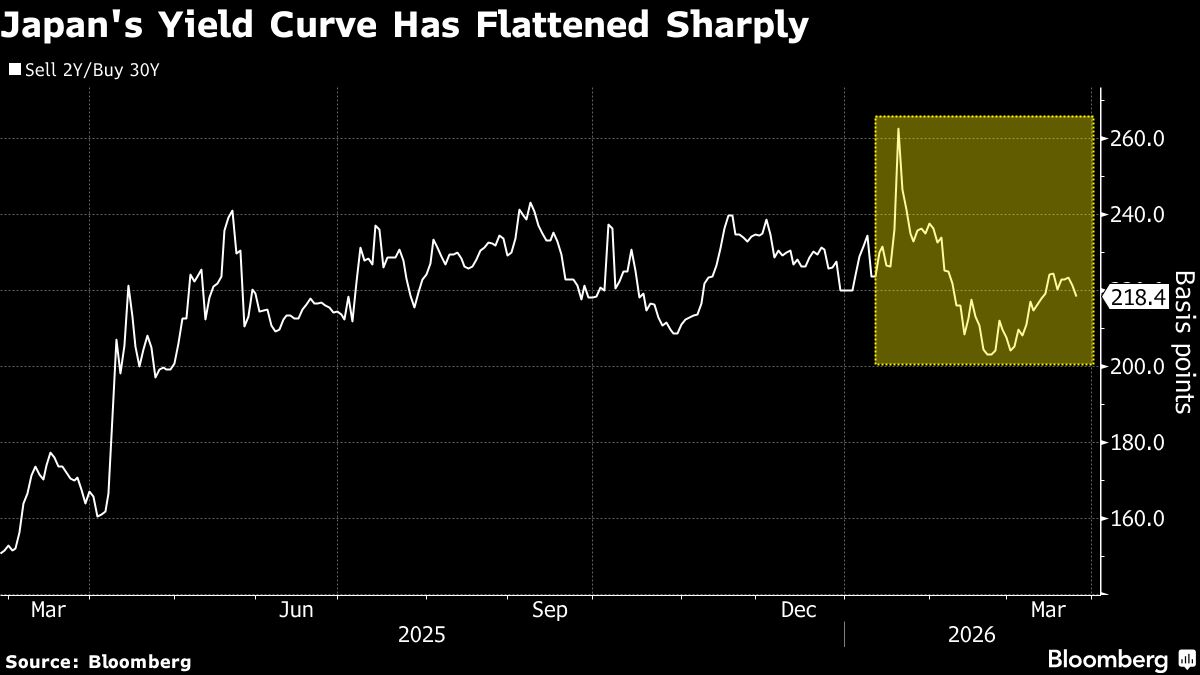
The Bank of Japan (BOJ) has maintained an ultra-loose monetary policy for years, keeping interest rates near zero and purchasing vast quantities of government bonds to stimulate the economy. However, this approach is increasingly at odds with the global trend of tightening monetary policy, as central banks in the U.S., Europe, and elsewhere raise rates to combat inflation. The widening policy gap has further weakened the yen, adding to Japan’s economic woes.
Investor Reshuffle: From Safe Haven to Risk Zone
Japan’s economic challenges have prompted a dramatic rethink among investors. For years, Japanese government bonds (JGBs) were seen as a cornerstone of global fixed-income portfolios, offering stability in an uncertain world. However, rising inflation and the prospect of higher interest rates have eroded their appeal.
“The traditional playbook for investing in Japan is no longer viable,” said Emily Zhang, Portfolio Manager at Global Horizon Investments. “Investors are having to adjust their strategies to account for higher inflation and currency risk.”
Equity markets are also feeling the heat. While Japanese stocks have historically benefited from a weaker yen, the current environment of rising costs and slowing growth has dampened investor enthusiasm. Sectors heavily reliant on imports, such as utilities and manufacturing, have been particularly hard hit.
Meanwhile, international investors are increasingly turning to alternative assets, such as commodities and inflation-linked bonds, to hedge against stagflation risks. Some are even eyeing short positions on the yen, betting that the currency’s decline will continue.
Policy Dilemma: Balancing Inflation and Growth
Japan’s policymakers are grappling with a difficult balancing act. On one hand, the BOJ faces mounting pressure to tighten monetary policy to curb inflation and stabilize the yen. On the other, premature rate hikes could stifle economic growth and exacerbate the country’s debt burden, which already exceeds 260% of GDP.
“The BOJ is caught between a rock and a hard place,” said Aiko Watanabe, Professor of Economics at Kyoto University. “Any move to raise rates could derail the fragile recovery, but failing to act risks losing control of inflation.”
The government has sought to cushion the blow with fiscal measures, including subsidies to offset rising energy costs and direct cash handouts to households. However, these measures are seen as stopgap solutions rather than long-term fixes.
Global Implications
Japan’s stagflation fears are not just a domestic concern. As one of the world’s largest economies and a key player in global supply chains, Japan’s economic trajectory has far-reaching implications. A prolonged period of stagflation could weigh on global growth, particularly in Asia, where Japan is a major trading partner.
Moreover, Japan’s predicament serves as a cautionary tale for other advanced economies grappling with similar challenges. The delicate interplay between inflation, currency volatility, and monetary policy underscores the complexities of navigating a post-pandemic global economy.
Looking Ahead
As Japan stands at this economic crossroads, the path forward remains uncertain. While some analysts remain optimistic that the country can navigate these challenges, others warn that the risks are mounting.
“Japan’s economy has proven resilient in the face of adversity before,” said Tilden. “But the current confluence of factors is unlike anything we’ve seen in decades. The stakes are high, and the margin for error is slim.”
For now, investors and policymakers alike are watching closely, acutely aware that Japan’s economic fate could have ripple effects far beyond its shores. As the nation confronts the specter of stagflation, one thing is clear: the stakes could not be higher.
