



Ohio Tackles Veterinary Shortage with New Initiative to Train More Animal Doctors
Ohio is grappling with a nationwide veterinary shortage, with five rural areas in the state among the 250 underserved regions identified by the U.S. Department of Agriculture. To address this growing crisis, The Ohio State University (OSU) has launched Protect Ohio, a groundbreaking initiative aimed at encouraging more students to pursue careers in veterinary medicine.
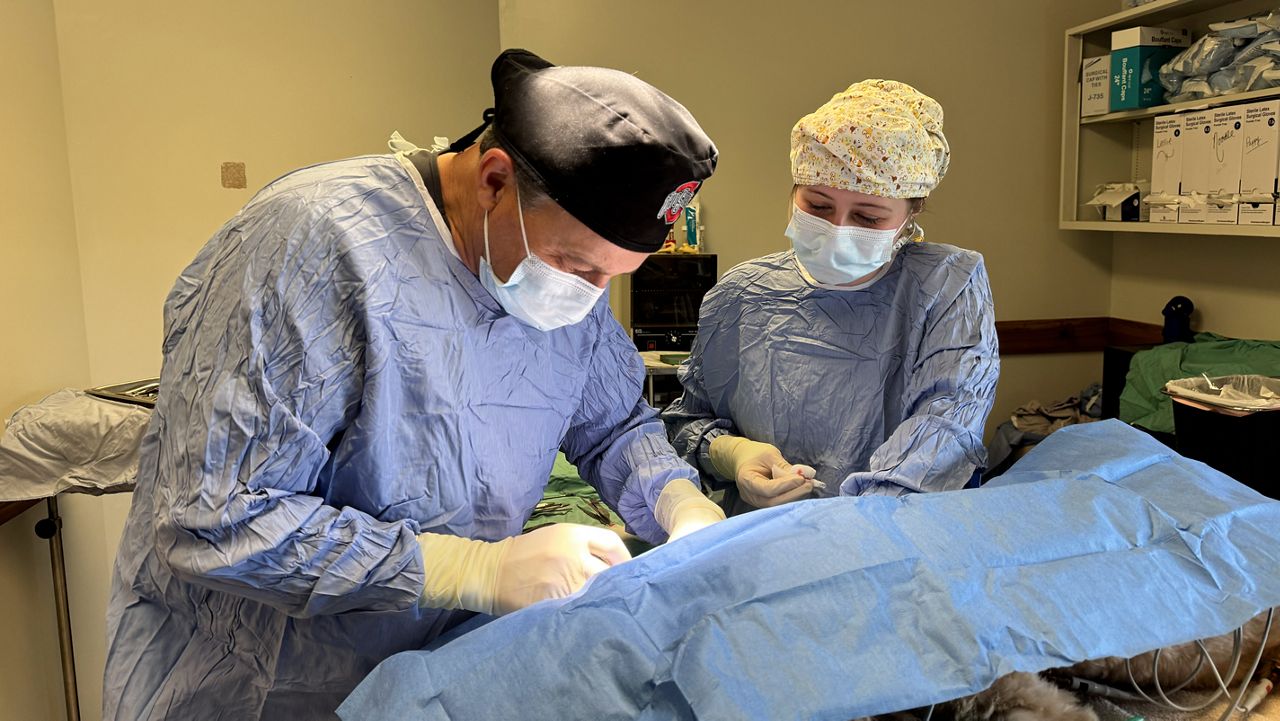
Dr. Mike Dyer, owner of Proctorville Animal Clinic and a proud Appalachian veterinarian, has firsthand experience with the challenges of rural veterinary care. For 18 years, Dyer traveled to farms across the region, tending to everything from dairy cows to exotic pets. Today, his clinic has adapted to the shortage by offering advanced services like orthopedic surgeries, often unavailable in rural areas.
“Columbus is the closest hub for specialized care, but many of our clients can’t afford to travel that far,” Dyer explained. “We’ve become a spectrum care hospital, providing services that would otherwise be out of reach for many families.”
OSU’s Protect Ohio initiative is designed to bridge this gap by increasing enrollment in its veterinary program and fostering community engagement. For the first time in over two decades, the university is expanding its class size, growing from 165 to 200 students over the next three years. A higher percentage of Ohio residents will also be admitted, ensuring that more graduates stay local to serve their communities.
To spread awareness, OSU is hosting town halls in Wooster, Findlay, Wilmington, and Nelsonville. These meetings will highlight the critical role veterinarians play in public health and animal welfare, while connecting aspiring students with mentors in the field.
Rustin Moore, dean of OSU’s College of Veterinary Medicine and author of Unleashing the Bond: Harnessing the Power of Human-Animal Interactions, emphasized the urgency of the issue. “Twenty years ago, there was only one species of tick in Ohio. Today, there are five, many of which carry infectious diseases,” he said. “Veterinarians are essential in preventing outbreaks that can devastate livestock and threaten human health.”
The initiative also focuses on educating communities about the evolving challenges of veterinary care, from combating Lyme disease to protecting the bond between humans and their pets. Moore noted that state funding has made this expansion possible, enabling OSU to train more veterinarians who can address these pressing issues.
For Dr. Dyer, the initiative is a vital step forward. “Our profession is about more than just caring for animals,” he said. “We have an oath to eliminate suffering, protect public health, and nurture the human-animal bond. It’s a rewarding and exciting career, and we need more people to join us in this mission.”
As Protect Ohio gains momentum, it offers hope for rural communities struggling with limited access to veterinary care. By investing in the next generation of animal doctors, Ohio is taking a proactive approach to safeguarding both animal welfare and public health.
— Reported by Nexio News
