



Europe’s Political Earthquake: Hungary’s Orban Loses Key Ally as Putin’s Influence Wanes
A Dramatic Shift in Budapest
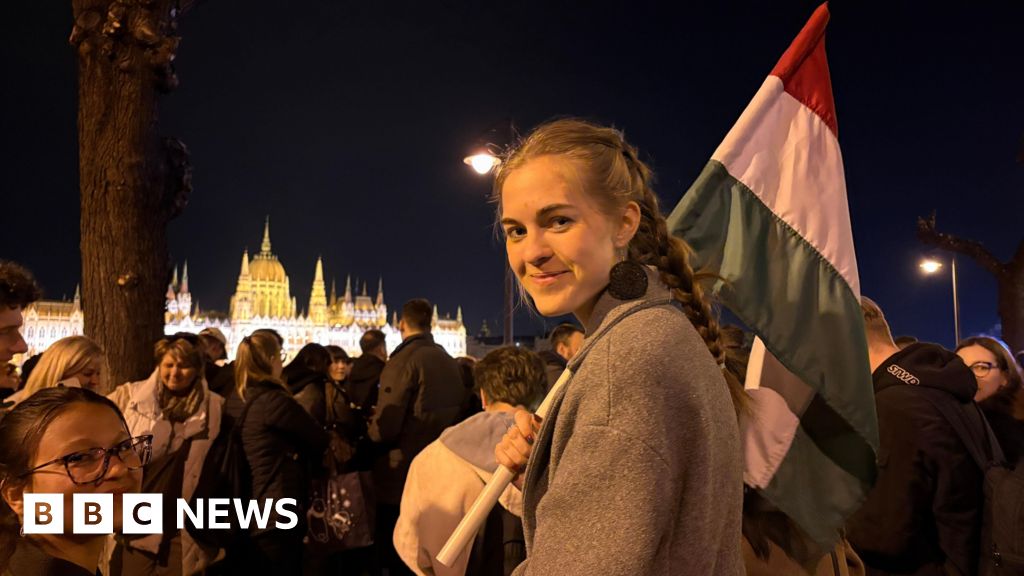
In a stunning political upheaval that has sent shockwaves across Europe, Hungarian Prime Minister Viktor Orban has lost a pivotal ally in his decade-long battle against EU norms. The resignation of Katalin Novák, Hungary’s president and a staunch Orban loyalist, marks a rare moment of vulnerability for Europe’s longest-serving leader—and a symbolic blow to Russian President Vladimir Putin’s network of influence on the continent. The streets of Budapest erupted in celebration as protesters, long silenced by Orban’s iron grip on power, sensed a crack in the regime’s armor. For Western leaders, the moment carries broader significance: a potential turning point in the struggle between democracy and authoritarianism in Europe.
The Fall of a Putin Ally
Novák’s resignation followed weeks of escalating protests after she pardoned a man convicted of covering up sexual abuse at a state-run orphanage. The decision ignited public fury, exposing deep fractures within Orban’s Fidesz party. As Hungary’s first female president, Novák was once seen as a symbol of Orban’s polished image abroad—a loyalist who echoed his anti-EU rhetoric while maintaining diplomatic ties. Her downfall underscores the growing fragility of Orban’s authoritarian project, which has relied on tight control over media, judiciary, and civil society.
More critically, Novák was a key link in Hungary’s controversial relationship with Moscow. Under Orban, Hungary has repeatedly blocked or diluted EU sanctions against Russia, advocated for closer energy ties, and hosted Putin for negotiations even as other European leaders isolated the Kremlin. Her departure weakens one of Putin’s last reliable channels into the EU at a time when Western unity on Ukraine hangs in the balance.
Global Implications: A Test for Europe’s Future
The crisis in Hungary is not just a domestic affair—it’s a litmus test for Europe’s resilience against authoritarianism. Orban’s playbook—undermining democratic institutions, vilifying migrants, and courting Moscow—has inspired far-right movements from France to Finland. If his grip weakens, it could signal a broader reckoning for Putin-aligned factions in Europe.
For NATO and the EU, the stakes are high. Hungary’s obstructionism has delayed critical decisions on military aid to Ukraine and EU expansion. With Novák gone, Orban faces mounting pressure at home and abroad. European leaders, who have long tolerated Hungary’s defiance in the name of unity, may now see an opening to push back.
The Human Cost of Orban’s Rule
Behind the political maneuvering lies a nation weary of polarization. Orban’s policies have hollowed out Hungary’s independent media, targeted LGBTQ+ communities, and driven thousands of young professionals abroad. The protests that toppled Novák were fueled not just by outrage over the pardon scandal but by years of pent-up frustration. “This isn’t just about one official—it’s about the system she represented,” said a Budapest university student, among the crowds demanding change.
The EU, for its part, has withheld billions in funding over rule-of-law violations but stopped short of stronger action. Now, with Hungary’s opposition gaining momentum, Brussels faces a dilemma: Should it exploit this moment to pressure Orban, or risk emboldening him further if he survives?
A Weakening Axis of Autocracy?
Orban’s troubles coincide with setbacks for other Putin-aligned leaders. In Slovakia, pro-Russian Prime Minister Robert Fico survived an assassination attempt but now grapples with plummeting public trust. In Serbia, protests against President Aleksandar Vučić’s authoritarianism have grown louder. Even in Russia, Putin’s regime faces dissent after the death of Alexei Navalny and military failures in Ukraine.
The trend suggests a precarious moment for strongmen who once seemed unassailable. As Western democracies prepare for pivotal elections in 2024—including the U.S. presidential race and EU parliamentary votes—the erosion of Orban’s dominance could reshape alliances.
What Comes Next?
Hungary’s parliament, dominated by Fidesz, will appoint a new president, but the damage to Orban’s credibility may be lasting. Opposition parties, long fragmented, are seizing the moment to unite. Meanwhile, EU leaders are quietly recalibrating their strategies. “Hungary has been a thorn in Europe’s side for too long,” said a senior diplomat in Brussels. “This might be the crack we need.”
Yet Orban has weathered storms before. His mastery of political survival—and willingness to stoke nationalist sentiment—means the battle for Hungary’s soul is far from over.
A Defining Moment for Europe
As night fell over Budapest, the chants of protesters echoed beyond Hungary’s borders. Their message was clear: The fight for democracy doesn’t end with one resignation. For Europe, the fall of Novák is more than a local scandal—it’s a reminder that even the most entrenched autocrats are not invincible. In a world where the lines between democracy and authoritarianism blur by the day, Hungary’s turmoil offers a fragile hope: that the tide may yet turn.
