



Global Markets Shift as Dollar’s Safe-Haven Rally Fizzles Amid US-Iran Ceasefire
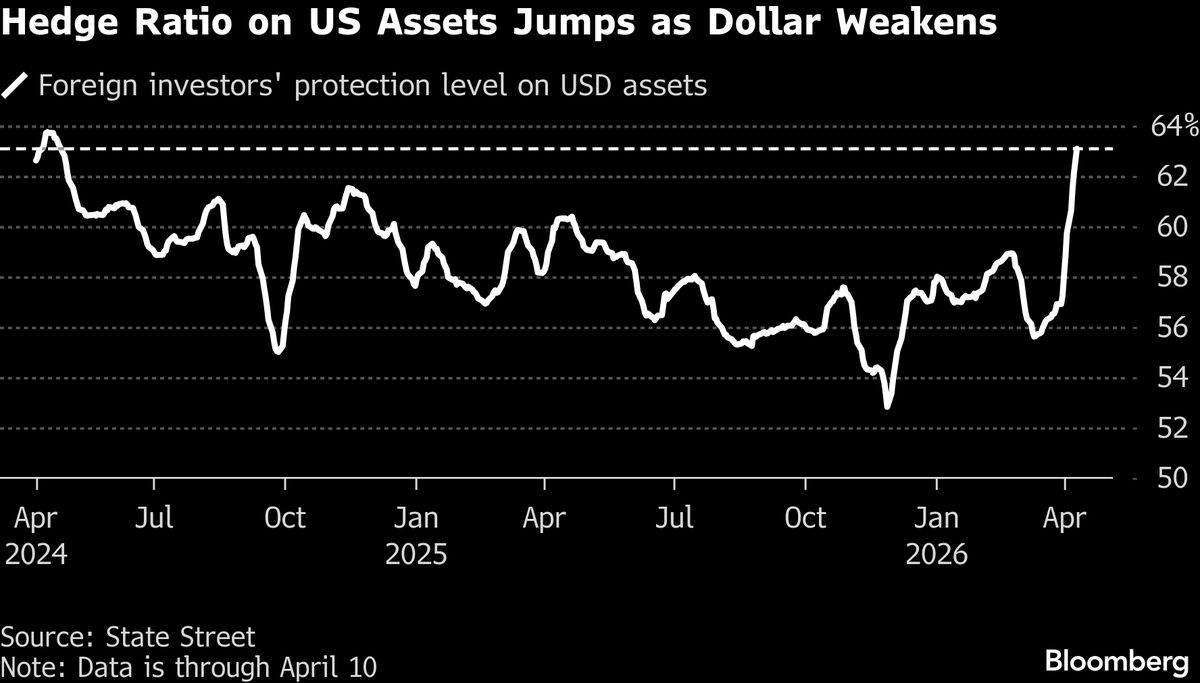
In a dramatic pivot for global financial markets, major banks including Deutsche Bank AG and Wells Fargo & Co. are signaling the end of the US dollar’s recent surge as a safe-haven asset. The shift comes as a fragile ceasefire between the United States and Iran alleviates geopolitical tensions, prompting investors to flock back to riskier assets. This development marks a stark reversal from earlier weeks when escalating Middle East hostilities drove a rush toward the perceived safety of the dollar, underscoring the intricate interplay between geopolitics and global finance.
The dollar’s decline is a testament to the cooling of tensions in the Middle East, where fears of a broader conflict between the US and Iran had loomed large. The two nations have cautiously stepped back from the brink after weeks of military posturing and retaliatory strikes, with diplomatic channels now taking precedence. As the threat of war recedes, investors are reallocating capital away from safe-haven currencies like the dollar and instead pursuing higher-yielding opportunities in equities, commodities, and emerging markets.
A Look Back: The Dollar’s Safe-Haven Surge
The US dollar’s rally had been underpinned by its status as the world’s primary reserve currency, a role that historically attracts investors during periods of uncertainty. Earlier this year, escalating tensions in the Middle East—sparked by a US drone strike that killed Iranian General Qasem Soleimani—ignited fears of a protracted conflict. The Iranian retaliation, which included missile strikes on US bases in Iraq, further fueled market anxiety, sending the dollar soaring as investors sought refuge.
During this period, the dollar index, which measures the greenback against a basket of major currencies, climbed to near three-year highs. Gold, another traditional safe-haven asset, also saw significant gains, while equities and risk-sensitive currencies like the Australian dollar and emerging market currencies faced downward pressure. However, the renewed focus on diplomacy, coupled with Iran’s decision to refrain from further escalation, has now ushered in a new phase of market sentiment.
Bank Predictions: A Turning Point for the Dollar
Deutsche Bank AG and Wells Fargo & Co. have been among the most vocal institutions predicting a reversal in the dollar’s fortunes. Analysts at Deutsche Bank argue that the currency’s safe-haven appeal is fading as geopolitical risks diminish, emphasizing that the dollar’s strength was always contingent on sustained uncertainty. “The dollar’s rally was driven by fear, not fundamentals,” one analyst noted. “With tensions easing, investors are once again looking for growth and yield.”
Wells Fargo echoed this sentiment, suggesting that the dollar could face renewed pressure in the coming months. The bank highlighted the Federal Reserve’s accommodative monetary policy stance as a key factor weighing on the currency. With interest rates expected to remain low and the global economic outlook improving, the dollar’s relative attractiveness is likely to diminish.
Other financial institutions have also joined the chorus, pointing to a broader trend of risk appetite returning to global markets. The optimism is reflected in surging stock markets, with major indices like the S&P 500 and the Dow Jones Industrial Average hitting record highs. Commodities such as oil, which had been volatile amid the Middle East tensions, have also stabilized, further bolstering investor confidence.
Implications for Global Markets
The shift away from the dollar carries significant implications for global economies and financial markets. Emerging markets, in particular, stand to benefit from the renewed appetite for risk. Many developing nations rely on foreign investment to fuel growth, and a weaker dollar can make their debt burdens more manageable. Currencies like the South African rand, Brazilian real, and Indian rupee have already shown signs of recovery as investors return to these markets.
For US exporters, a weaker dollar could provide a lifeline by making American goods more competitive abroad. However, importers may face higher costs, potentially impacting domestic consumers. The Federal Reserve, meanwhile, will be closely monitoring the currency’s movements as it navigates the delicate balance between supporting economic growth and managing inflation.
The decline of the dollar also raises questions about its long-term role as the world’s dominant reserve currency. While the greenback remains the cornerstone of global trade and finance, the rise of alternative currencies and the growing influence of China’s yuan suggest that the dollar’s supremacy is not guaranteed. Some analysts argue that the recent volatility underscores the need for diversification in the global financial system.
Diplomatic Progress and Market Sentiment
The easing of US-Iran tensions has been a key driver of the changing market dynamics. Following the initial flare-up in early January, both nations appear to have stepped back from further confrontation. The US has signaled a willingness to engage in dialogue, while Iran has emphasized its commitment to de-escalation. This diplomatic progress has been welcomed by the international community, including key players like the European Union and Russia, who have called for a peaceful resolution to the crisis.
However, the situation remains fluid, and market participants are acutely aware that geopolitical risks could resurface at any moment. Analysts caution that while the immediate threat may have subsided, the underlying tensions between the US and Iran are far from resolved. Any renewed escalation could quickly reignite the dollar’s safe-haven appeal, underscoring the fragility of the current equilibrium.
Conclusion: A Delicate Balance Ahead
As the world watches the evolving dynamics between the US and Iran, the global financial markets are caught in a delicate balancing act. The recent shift away from the dollar highlights the profound impact of geopolitics on investor behavior, while also raising broader questions about the future of the global financial system. While the immediate outlook points to a resurgence of risk appetite, the potential for renewed volatility remains ever-present. For now, investors are cautiously optimistic, but the lessons of recent weeks serve as a stark reminder of how quickly the tides can turn in an interconnected world.
