


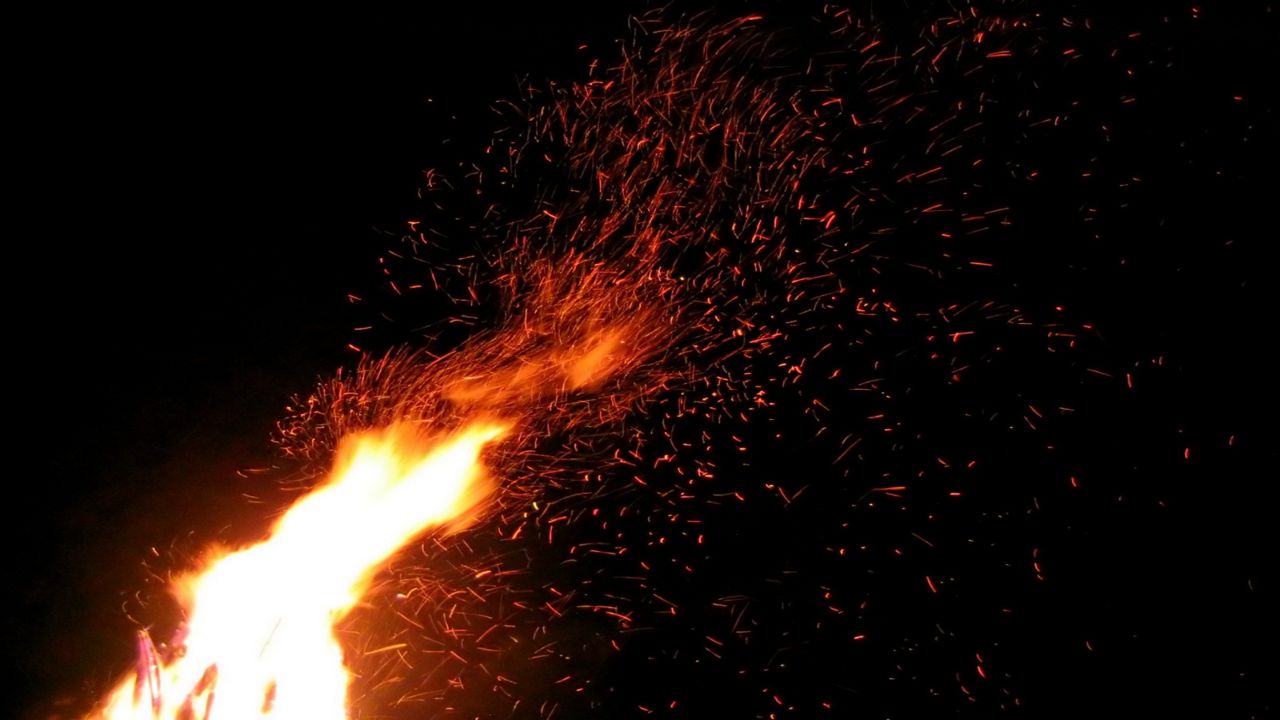

Ohio’s The Wilds Completes Record 905-Acre Controlled Burn to Restore Native Prairie
COLUMBUS, Ohio — Visitors to The Wilds this spring might spot a transformed landscape after conservationists conducted the largest controlled burn in the facility’s history. The 905-acre prescribed fire, carried out in partnership with The Nature Conservancy and federal wildlife agencies, aims to rejuvenate native grasslands and curb invasive species.
A Strategic Blaze for Conservation
The burn, completed earlier this season, targeted non-native grasses and shrubs that threaten the prairie ecosystem. By reintroducing fire as a management tool, experts hope to boost biodiversity and create healthier habitats for wildlife.
“Restoring fire to these lands is a game-changer for conservation in Ohio,” said Brent Sodergren of the U.S. Fish and Wildlife Service’s Partners for Fish and Wildlife Program. “It helps native species thrive while keeping invasives in check.”
Ryan Morr, a biologist with the same program, explained that the flames selectively thin out undesirable plants, giving native warm-season grasses and wildflowers room to flourish. The effects are most visible south of International Road, between State Routes 340 and 284.
Precision and Safety First
The operation wasn’t left to chance. Teams spent days planning, monitoring wind, humidity, and ground conditions to ensure the fire stayed contained. Emergency responders were on standby, nearby communities were notified, and traffic controls were put in place.
“Prescribed fire is a vital part of our land stewardship,” said Liza Butler, a restoration ecology specialist at The Wilds. “It’s about creating resilient ecosystems where wildlife can prosper.”
While smaller sections had been burned in previous years, this marked the first major controlled fire across most of the prairie. The seven-hour burn was meticulously executed to minimize disruption to wildlife.
Protecting Animals Amid the Flames
Conservationists took extra steps to safeguard local fauna. Burns were timed for the dormant season, before nesting begins, when many animals are less active or sheltered underground. Crews also left unburned patches as refuges and used vehicle noise to gently nudge wildlife away before igniting the flames.
“Smoke and heat naturally guide animals to safety,” Morr noted. “Species like ground-nesting birds or burrowing mammals find shelter until the fire passes.”
Collaboration for Greater Impact
The project highlights the power of partnerships in conservation. The Nature Conservancy, U.S. Fish and Wildlife Service, and The Wilds pooled resources to achieve what no single group could alone.
“Working together amplifies our impact,” said Tom Rooney of The Nature Conservancy. “This burn is a testament to what coordinated effort can accomplish.”
As the prairie regenerates, visitors can expect to see vibrant new growth—a sign of healthier land for both native plants and the animals that depend on them.
— Reported by Nexio News
