



Stranded Whale Sparks Global Concern Amid Environmental and Political Tensions in the Baltic Sea
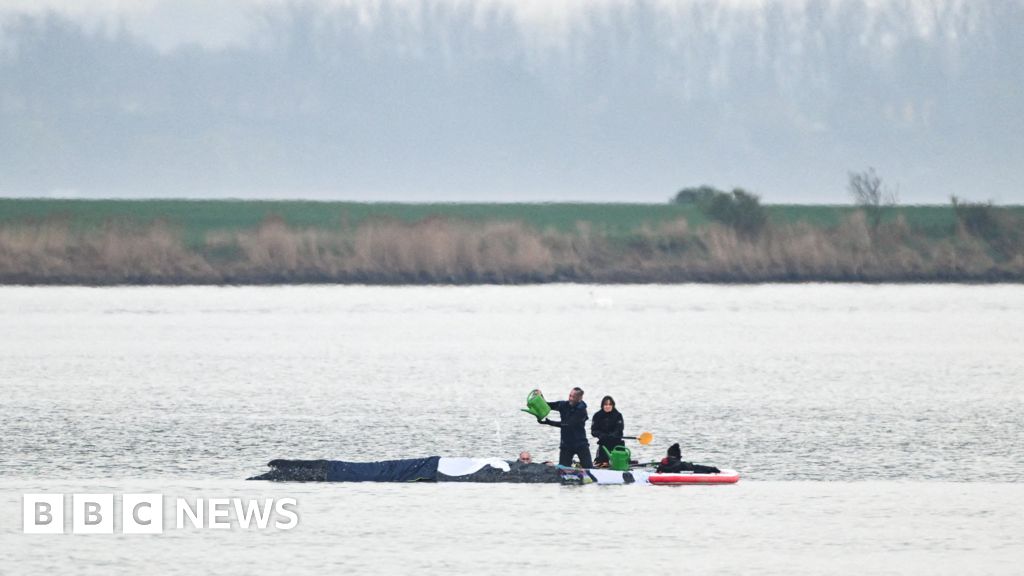
Baltic Sea, October 2023—A lone humpback whale, affectionately dubbed “Timmy” by local authorities, has become the unlikely focal point of an international crisis in the Baltic Sea. For weeks, the ailing marine mammal has been trapped in shallow waters, its plight capturing global attention as rescue attempts falter and environmental concerns escalate. The situation has not only highlighted the fragility of marine ecosystems but also underscored the growing geopolitical tensions in a region already grappling with the aftershocks of climate change and regional instability.
The Stranding: A Desperate Struggle for Survival
The saga of “Timmy” began in mid-September when fishermen near the Swedish coastline reported sightings of a distressed whale swimming erratically in unusually shallow waters. Marine biologists soon confirmed it was a young humpback whale, a species rarely seen in the Baltic Sea due to its preference for deeper, warmer waters. The whale’s presence in the Baltic, far from its natural habitat, has puzzled scientists, who speculate that climate-induced changes in ocean currents or food scarcity may have driven it astray.
Despite concerted efforts by Swedish and Danish marine rescue teams, “Timmy” remains stranded. Attempts to guide the whale back to deeper waters using boats and acoustic devices have repeatedly failed. Rescue operations have been further complicated by the whale’s weakened state and the treacherous coastal terrain. Authorities have also raised concerns about the whale’s health, noting signs of malnutrition and fatigue.
Global Context: A Symptom of Larger Environmental Challenges
“Timmy’s” predicament is emblematic of the broader environmental challenges facing marine life worldwide. The Baltic Sea, one of the most polluted bodies of water on the planet, is particularly vulnerable. Decades of industrial runoff, overfishing, and agricultural pollution have devastated its ecosystems, leaving species like cod and herring struggling to survive. The warming climate has exacerbated these issues, with rising sea temperatures disrupting migratory patterns and food chains.
Globally, whale strandings are becoming increasingly common, particularly in areas where human activity intersects with marine habitats. According to the International Whaling Commission, over 2,000 strandings are reported annually, many of which are linked to pollution, ship strikes, and underwater noise from military exercises or oil exploration. Experts warn that “Timmy’s” plight is a stark reminder of the urgent need for international cooperation to protect marine biodiversity.
Geopolitical Undercurrents: The Baltic Sea’s Strategic Significance
The Baltic Sea is not just an environmental hotspot but also a geopolitical flashpoint. Bordered by nine countries, including NATO members and Russia, the region has long been a theater of strategic competition. Recent tensions over energy resources, maritime security, and Russia’s military activities in Kaliningrad have heightened regional anxieties.
The whale’s stranding has inadvertently drawn attention to these tensions. Swedish authorities have faced criticism over the pace and scale of their response, with some accusing them of being distracted by broader security concerns. Meanwhile, environmental activists have seized on the incident to call for stricter regulations on shipping and industrial activity in the Baltic. The situation has also sparked debates about the allocation of resources, with some arguing that funds earmarked for marine conservation could be better spent on immediate security threats.
Why It Matters: A Call for Global Action
“Timmy’s” story transcends the boundaries of the Baltic Sea, resonating with audiences worldwide. It serves as a poignant symbol of the fragile coexistence between humanity and nature, reminding us of the consequences of environmental neglect. The incident also highlights the interconnectedness of global challenges, from climate change to geopolitical instability, and the need for holistic solutions.
Marine conservationists argue that protecting whales is not just an ethical imperative but also an ecological necessity. As apex predators, whales play a crucial role in maintaining the health of marine ecosystems. Their decline could have cascading effects on ocean biodiversity, with implications for fisheries, carbon sequestration, and global food security.
The Human Element: A Community’s Fight to Save “Timmy”
Amid the geopolitical and environmental debates, the human response to “Timmy’s” plight has been a testament to solidarity and compassion. Local communities along the Baltic coast have rallied together, offering everything from boats to expertise to aid in rescue efforts. Social media has been awash with messages of support, with hashtags like #SaveTimmy trending globally.
Yet, for all the goodwill, the clock is ticking. Experts warn that time is running out to save “Timmy,” with each passing day reducing the chances of a successful rescue. The situation has left many grappling with a sense of helplessness, as the fate of one whale underscores the enormity of the challenges we face in protecting our planet.
Conclusion: A Moment of Reckoning
The saga of “Timmy” is more than a story of a stranded whale—it is a microcosm of the broader crises confronting our world. It reminds us of the delicate balance between human progress and environmental stewardship, and the urgent need to rethink our relationship with nature. As rescue efforts continue, the international community watches with bated breath, hoping for a miracle but knowing that the real work lies ahead.
In the end, “Timmy’s” fate may serve as a turning point—a moment of reckoning that compels us to act not just for one whale, but for the countless species and ecosystems teetering on the brink. The Baltic Sea, with its polluted waters and contested shores, stands as a stark reminder of the stakes involved. The question now is whether we will rise to the challenge or let this moment slip away, as so many others have before.
