



Decades-Old Terrorism: The Lasting Shadow of Abu Nidal and the Rue des Rosiers Attack
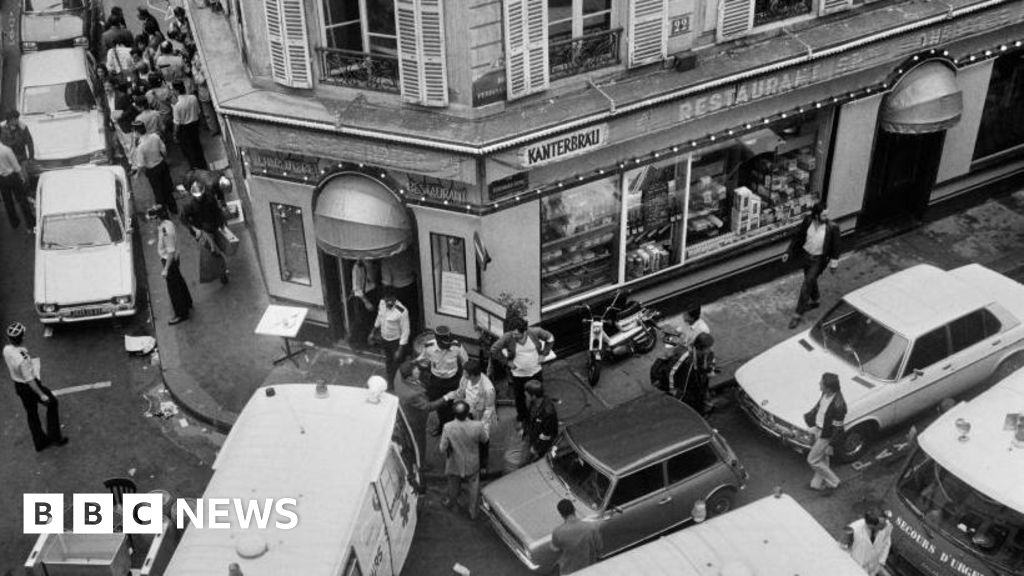
In a quiet Parisian neighborhood on August 9, 1982, a quiet street became the epicenter of a global terror campaign. The Rue des Rosiers attack, a brutal assault on a Jewish delicatessen, claimed six lives and left 22 injured. The violence was attributed to the Abu Nidal Organization (ANO), a Palestinian splinter group infamous for its ruthless tactics. The ANO, led by the infamous militant Abu Nidal, had already carved a bloody path across continents by the time of the Paris attack. Decades later, the shadow of this organization and its founder continues to loom over global security discussions, serving as a stark reminder of the enduring impact of terrorism on international relations, counterterrorism strategies, and the lives of countless victims.
Abu Nidal: The Architect of Chaos
Abu Nidal, born Sabri al-Banna in 1937, emerged as one of the most feared and enigmatic figures in modern terrorism. Originally a member of the Palestine Liberation Organization (PLO), Nidal broke away in 1974 to form his own faction, the ANO, also known as Fatah—The Revolutionary Council. His group quickly gained notoriety for its extreme violence and its willingness to target civilians, diplomats, and even rival Palestinian factions. Nidal’s philosophy was one of uncompromising brutality: his organization was behind assassinations, plane hijackings, and bombings that spanned the globe.
The ANO’s operations were meticulously planned and executed, often targeting symbolic locations to maximize fear and media attention. Between 1973 and 1991, the group carried out over 90 attacks in more than 20 countries, leaving a trail of over 900 dead and countless more injured. Notably, these attacks were not confined to Israel or its allies; the ANO’s violence extended to Arab nations, European cities, and even neutral territories, reflecting Nidal’s ruthless pragmatism and his willingness to betray allies for personal gain.
The Rue des Rosiers Attack: A Glimpse of Terror
The Rue des Rosiers attack remains one of the most emblematic acts of violence attributed to the ANO. On that fateful August day, gunmen stormed Jo Goldenberg’s delicatessen, a popular Jewish establishment in Paris’s Marais district. The assault was swift and merciless, with witnesses describing scenes of pandemonium as gunfire echoed through the narrow street.
The attack was part of a broader wave of violence targeting Jewish communities and interests across Europe during the 1980s. However, the Rue des Rosiers massacre stood out for its brazenness and its symbolic resonance. Paris, a city known for its cultural richness and historical embrace of diversity, became a theater of terror, underscoring the ANO’s ability to strike at the heart of Western societies.
French investigators quickly identified the ANO as the perpetrator, citing intelligence reports and the group’s modus operandi. The attack was later linked to broader geopolitical tensions, including the ANO’s opposition to the PLO’s more moderate stance and its desire to assert itself as the vanguard of Palestinian militancy.
Global Context: Terrorism in the 1980s and Beyond
The ANO’s campaign of terror unfolded against the backdrop of a volatile global landscape. The Cold War was in full swing, and Middle Eastern conflicts were increasingly spilling over into Europe and beyond. The Israeli-Palestinian conflict, in particular, served as a flashpoint, with militant groups like the ANO exploiting the chaos to advance their agendas.
The 1980s witnessed a surge in international terrorism, with groups such as the Irish Republican Army (IRA), the Red Army Faction, and various Palestinian factions carrying out high-profile attacks. State-sponsored terrorism also became a significant concern, with nations like Libya and Syria accused of providing financial and logistical support to groups like the ANO.
The ANO’s activities highlighted the interconnectedness of global terrorism and the challenges of combating it. Nidal’s ability to operate across borders, forge alliances with rogue states, and evade capture for decades exemplified the complexities of counterterrorism efforts in an increasingly globalized world.
Why It Matters Today
The legacy of Abu Nidal and the ANO continues to resonate in contemporary discussions on security and terrorism. Nidal’s group was a precursor to modern transnational terrorist organizations like al-Qaeda and ISIS, demonstrating the enduring appeal of violence as a means of achieving political objectives.
Moreover, the Rue des Rosiers attack serves as a reminder of the human cost of terrorism. While the ANO’s heyday may have passed, its victims and survivors continue to grapple with the trauma inflicted decades ago. The attack also underscores the importance of international cooperation in combating terrorism, as threats like the ANO were not confined to any single nation or region.
In a world where terrorism remains a persistent threat, understanding the history of groups like the ANO is crucial. Their tactics, strategies, and failures offer valuable lessons for policymakers, security experts, and the public as they navigate an increasingly complex and interconnected security landscape.
A Lingering Shadow
The Rue des Rosiers attack and the broader legacy of Abu Nidal are more than historical footnotes; they are cautionary tales of the devastating impact of terrorism on individuals, communities, and nations. While Nidal met his end in 2002 under mysterious circumstances in Baghdad, the scars left by his organization endure.
As the world continues to grapple with evolving threats, the story of Abu Nidal serves as a sobering reminder of the need for vigilance, resilience, and unity in the face of terrorism. The Rue des Rosiers attack may have occurred four decades ago, but its lessons remain as relevant as ever in a world where the specter of violence looms large.
