



Proposed Pipeline Aims to Transform Middle East Energy Dynamics, Reduce Reliance on Strait of Hormuz
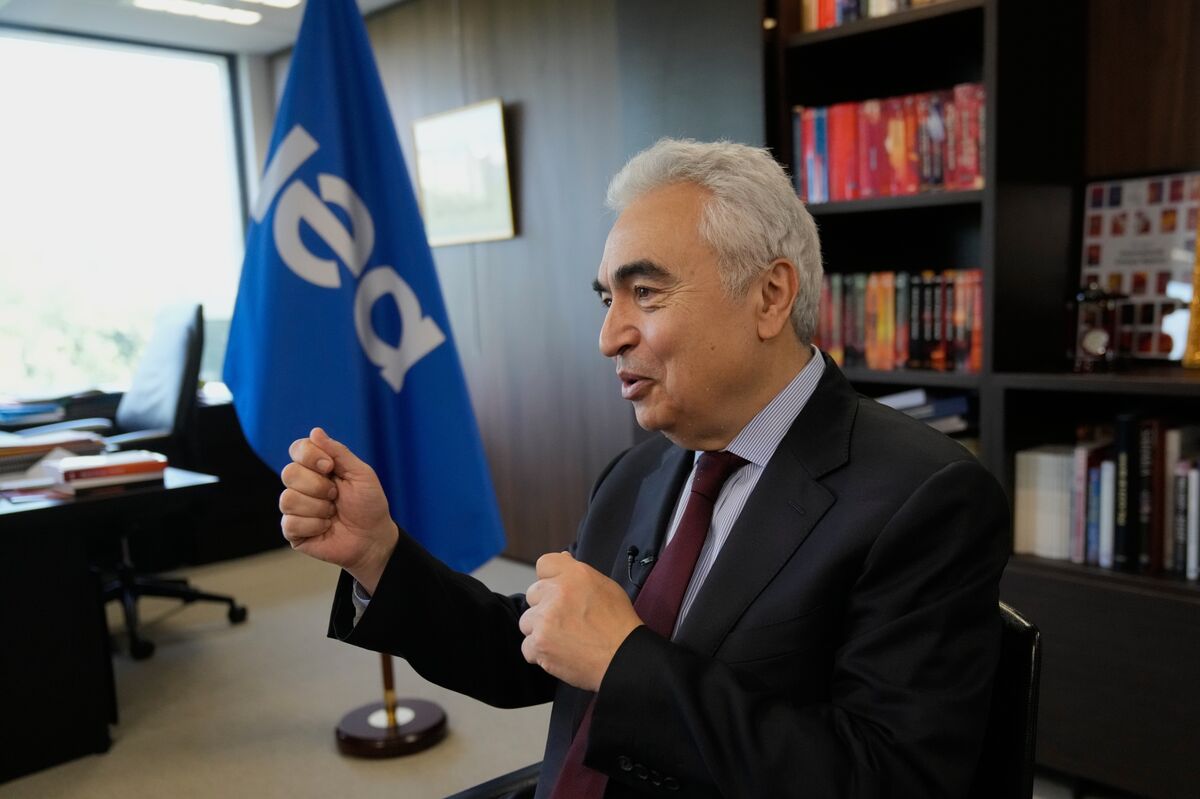
In a move that could reshape global energy geopolitics, the International Energy Agency (IEA) has unveiled plans for a groundbreaking oil pipeline connecting Iraq’s hydrocarbon-rich Basra region to Turkey’s Mediterranean oil terminal in Ceyhan. The proposal, championed by IEA Executive Director Fatih Birol, seeks to reduce the dominance of the Strait of Hormuz as a critical chokepoint for global oil exports while bolstering Iraq’s role as a major energy supplier. The ambitious project, reported by Turkish newspaper Hürriyet, underscores the growing urgency to diversify energy routes in a region fraught with volatility and uncertainty.
The Strait of Hormuz, a narrow waterway between Oman and Iran, is one of the world’s most strategically significant maritime routes, accounting for nearly a fifth of global oil consumption. Its importance has long made it a flashpoint for geopolitical tensions, particularly in the wake of escalating conflicts involving Iran, the United States, and regional powers. Any disruption to the strait—whether through military conflict, piracy, or political maneuvering—could send shockwaves through global markets, driving up oil prices and destabilizing economies worldwide. Birol’s proposal aims to mitigate this risk by providing an alternative route for Iraqi oil exports, bypassing the strait entirely and enhancing energy security for the global market.
A Strategic Shift in Global Energy Infrastructure
The proposed pipeline would stretch approximately 1,000 kilometers from Basra in southern Iraq to Ceyhan, a major oil hub on Turkey’s Mediterranean coast. Basra, home to Iraq’s most prolific oil fields, has long been a cornerstone of the country’s economy, accounting for over 80% of its oil production. However, Iraq’s reliance on the Strait of Hormuz has limited its ability to maximize its export potential, particularly given the logistical and security challenges posed by the waterway. The new pipeline would not only provide a safer and more efficient export route but also elevate Iraq’s position as a key player in global energy markets.
For Turkey, the project offers an opportunity to consolidate its role as a regional energy hub. Ceyhan already serves as a terminal for major pipelines, including the Baku-Tbilisi-Ceyhan (BTC) pipeline, which transports oil from Azerbaijan to the Mediterranean. By linking Iraq’s vast oil reserves to Ceyhan, Turkey could significantly enhance its geopolitical leverage while benefiting from increased transit fees and economic activity. The proposal also aligns with Ankara’s broader strategy to position itself as a bridge between energy producers in the Middle East and consumers in Europe.
Economic and Geopolitical Implications
The potential pipeline carries profound economic and geopolitical implications for the Middle East and beyond. For Iraq, the project represents a chance to diversify its export routes and reduce its vulnerability to disruptions in the Strait of Hormuz. This is particularly critical at a time when Iraq is seeking to rebuild its economy after decades of conflict and instability. Increased oil exports could generate much-needed revenue for infrastructure development and public services, fostering long-term stability and growth.
However, the project is not without challenges. Building a pipeline of this scale would require substantial investment, estimated to be in the billions of dollars, as well as robust international cooperation. Security concerns in Iraq’s southern region, where occasional unrest and sabotage have targeted energy infrastructure, could pose significant risks. Additionally, the project would need to navigate complex geopolitical dynamics, particularly given the strained relations between Turkey and some of its neighbors, including Syria and Iran.
For the wider region, the pipeline could shift the balance of power within the Middle East. By reducing reliance on the Strait of Hormuz, the project would diminish Iran’s strategic leverage over global oil markets, potentially altering the dynamics of U.S.-Iran relations and regional diplomacy. It could also foster closer ties between Iraq and Turkey, creating a new axis of cooperation in a region often characterized by rivalry and mistrust.
Global Energy Security in Focus
At its core, Birol’s proposal reflects broader concerns about global energy security in an increasingly uncertain world. The COVID-19 pandemic and the war in Ukraine have underscored the fragility of energy supply chains, prompting policymakers and industry leaders to seek more resilient and diversified infrastructure. The proposed pipeline would not only enhance energy security but also provide a buffer against potential shocks in the Strait of Hormuz, ensuring a steady flow of oil to global markets.
The project also aligns with the IEA’s mission to promote sustainable and secure energy systems. While the pipeline would primarily transport oil, its construction could pave the way for future investments in renewable energy and alternative fuels. By strengthening Iraq’s energy infrastructure, the project could create a foundation for transitioning to a more sustainable energy mix over time.
A Complex Road Ahead
Despite its potential benefits, the proposed pipeline faces a complex path to realization. Key stakeholders, including the governments of Iraq and Turkey, international investors, and major energy companies, will need to navigate a host of political, economic, and logistical challenges. The project’s success will depend on securing sufficient funding, ensuring robust security measures, and fostering trust and cooperation among diverse actors.
Moreover, the proposal raises questions about its impact on the global energy transition. While the pipeline could enhance energy security in the short term, it risks locking in reliance on fossil fuels at a time when the world is increasingly focused on reducing carbon emissions. Policymakers will need to balance the immediate benefits of the project with the long-term imperative of transitioning to cleaner energy sources.
Conclusion
The proposed pipeline linking Iraq’s Basra oil fields to Turkey’s Ceyhan terminal represents a bold and ambitious effort to transform the Middle East’s energy landscape. By reducing reliance on the Strait of Hormuz and enhancing global energy security, the project could have far-reaching implications for regional geopolitics and the global economy. However, its success will hinge on overcoming significant challenges, from securing funding to navigating complex political dynamics. As the world grapples with the dual imperatives of energy security and sustainability, the proposed pipeline underscores the delicate balance between short-term needs and long-term goals.
