



Lebanon Demands Sovereignty Amid Escalating Border Conflict with Israel
A Nation Under Fire: Lebanon’s Bold Stand Against Israeli Aggression
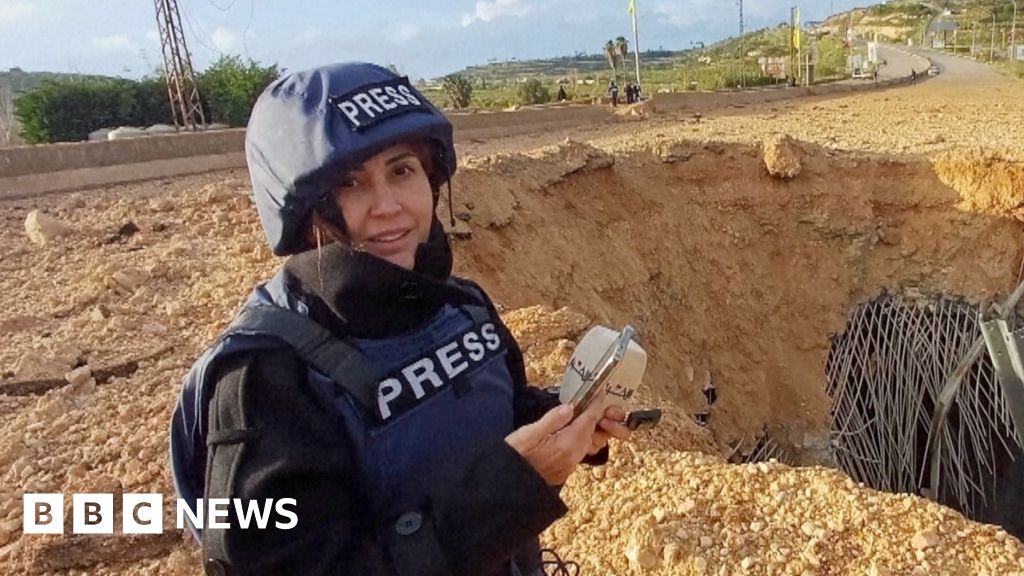
Beirut, Lebanon – As artillery fire echoes across the southern border, Lebanon’s President Michel Aoun has issued a defiant call for sovereignty, demanding an immediate end to Israeli military operations on Lebanese soil. In a high-stakes statement from his office, Aoun outlined a series of non-negotiable conditions for peace, including the withdrawal of Israeli forces, the release of Lebanese prisoners, and the deployment of Lebanese troops to the contested frontier. The declaration comes amid escalating violence that threatens to plunge the region into a broader conflict, with global powers watching nervously.
The latest flare-up between Israel and Lebanon’s Hezbollah has reignited fears of a full-scale war, reminiscent of the devastating 2006 conflict that left thousands dead and infrastructure in ruins. With tensions at a boiling point, Aoun’s demands underscore Lebanon’s fragile position—caught between Israeli military might, internal political divisions, and the specter of another humanitarian catastrophe.
Lebanon’s Demands: A Path to Peace or a Prelude to War?
President Aoun’s statement outlined five key demands:
-
An Immediate Ceasefire – Lebanon calls for an end to Israeli airstrikes and shelling, which have displaced thousands and caused widespread destruction in border villages.
-
Withdrawal of Israeli Forces – The Lebanese government insists that all Israeli troops must pull back from disputed territories, including the Shebaa Farms, a strip of land claimed by both nations.
-
Release of Lebanese Prisoners – Dozens of Lebanese detainees, many held without trial, must be freed from Israeli jails as a goodwill gesture.
-
Lebanese Military Deployment – To prevent further clashes, Aoun demands that the Lebanese Armed Forces (LAF) take full control of the southern border, replacing Hezbollah’s de facto authority.
-
Post-War Reconstruction – With entire villages reduced to rubble, Lebanon seeks international aid to rebuild, warning that prolonged conflict could trigger another refugee crisis.
These demands reflect Lebanon’s desperation to assert control over its territory while avoiding another ruinous war. Yet, with Israel vowing to continue its offensive until Hezbollah is disarmed, the prospects for a diplomatic breakthrough remain slim.
Global Implications: Why This Conflict Matters Beyond the Middle East
The Lebanon-Israel border crisis is not an isolated regional dispute—it carries profound implications for global security.
- Risk of Wider War – Hezbollah, backed by Iran, possesses an arsenal of over 150,000 rockets capable of striking deep into Israel. If the conflict escalates, it could draw in Iran, Syria, and even the U.S., which has already deployed warships to the Eastern Mediterranean.
- Energy Security Threats – Lebanon and Israel are locked in a bitter maritime dispute over offshore gas reserves. A full-scale war could disrupt energy supplies to Europe, already reeling from the Ukraine crisis.
- Refugee Crisis Looming – Lebanon hosts over 1.5 million Syrian refugees. Another war could force mass displacements, straining neighboring countries and triggering a new wave of migration toward Europe.
- UN Peacekeeping in Jeopardy – The United Nations Interim Force in Lebanon (UNIFIL), tasked with maintaining calm, has seen its mandate repeatedly violated. A collapse of the ceasefire could render the mission obsolete.
Western diplomats are scrambling to prevent an all-out war, but with both sides entrenched in their positions, the path to de-escalation remains uncertain.
A Test of Diplomacy: Can the World Prevent Another Middle East War?
The international community has responded with cautious urgency. The U.S. and France have called for restraint, while the UN Security Council holds emergency talks. However, past mediation efforts have failed to address core grievances, leaving Lebanon and Israel locked in a cycle of violence.
For Lebanon, the stakes could not be higher. The country is already grappling with economic collapse, political paralysis, and a banking crisis that has wiped out savings. Another war would be catastrophic, potentially pushing Lebanon into failed-state status.
Meanwhile, Israel faces domestic pressure to retaliate against Hezbollah’s attacks, even as it weighs the risks of a prolonged conflict. Prime Minister Benjamin Netanyahu has vowed to “restore deterrence,” but analysts warn that overreach could lead to a quagmire.
Conclusion: A Fragile Truce Hangs by a Thread
As the world watches, Lebanon and Israel stand at a crossroads. President Aoun’s demands represent a last-ditch effort to avert disaster, but without meaningful concessions from both sides, the region teeters on the edge of war.
The coming days will test whether diplomacy can prevail over brinkmanship. If it fails, the consequences will ripple far beyond the Middle East—reshaping global security, energy markets, and the lives of millions caught in the crossfire. For now, the people of southern Lebanon brace for the next explosion, hoping the world will not look away as their homeland burns once again.
