



Ohio Reentry Programs Offer Lifeline to Formerly Incarcerated Seeking Fresh Start
CINCINNATI — For the millions of Americans with a criminal record, rebuilding a life after incarceration can feel like an impossible hurdle. But across Ohio, dedicated organizations are stepping in to help people like Sherri Parker turn their lives around—one job, one home, and one second chance at a time.
The Struggle After Release
More than 70 million U.S. adults—nearly one in three—have some form of criminal record, according to the Prison Policy Initiative. The consequences often linger long after sentences are served, shutting doors to employment, housing, and stability.
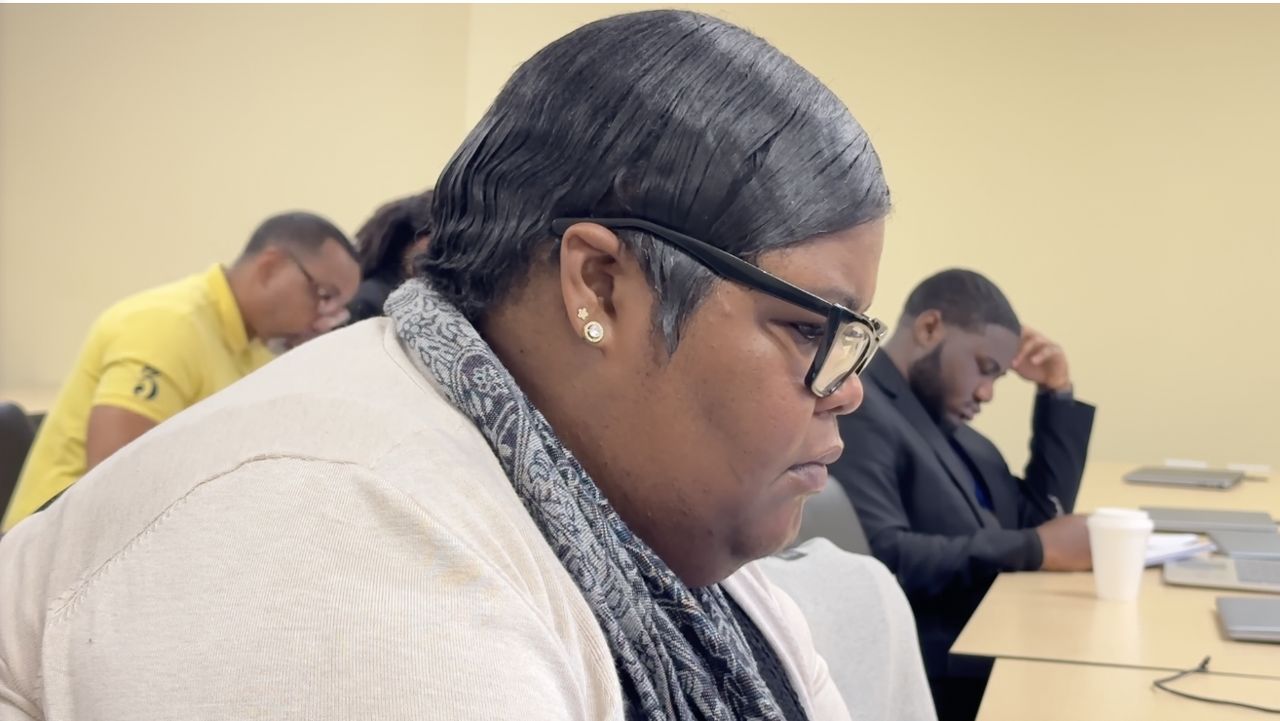
Ohio alone releases over 18,000 individuals from prison each year, many facing immediate barriers to reintegration. Sherri Parker, a Hamilton County resident, knows the struggle firsthand. After serving 30 days in jail for a hit-and-run incident, she emerged determined to change her path—but reality hit hard.
“When the judge said 30 days, I knew I couldn’t run anymore,” Parker recalled. “But walking out, I had nothing. No plan, no support. Just a record that followed me everywhere.”
A Lifeline for Rebuilding Lives
Parker found hope through the Hamilton County Office of Reentry, a program assisting formerly incarcerated individuals with housing, job placement, and long-term support. Last year alone, the office helped 1,300 clients navigate the daunting transition back into society.
“Reentry isn’t a one-size-fits-all process,” said Trina Jackson, the office’s director. “We meet people where they are and walk alongside them. But the biggest wall they hit? Stigma.”
Employers often rescind job offers after background checks surface past convictions, Jackson explained. This cycle leaves many trapped in instability—increasing the risk of reoffending.
Breaking the Cycle
Advocates argue that expanding “second-chance” hiring is critical to reducing recidivism and strengthening communities. Ohio has taken steps in this direction, with nearly two dozen correctional facilities hosting Ohio Means Jobs centers, where soon-to-be-released inmates can prepare resumes and connect with potential employers.
For Parker, the support made all the difference. Six months after her release, she secured stable housing and enrolled in an IT certification program. “I’m doing this for myself—and for the people who depend on me,” she said.
A National Movement for Second Chances
Since 2017, April has been recognized as Second Chance Month, spotlighting efforts to ease reentry barriers. Yet advocates stress that systemic change—like “ban-the-box” policies and fair-chance hiring—must keep pace with the growing need.
“When we invest in someone’s future, we’re investing in safer neighborhoods, stronger families, and a better Ohio,” Jackson said.
For Parker, the journey is far from over, but the path forward is clearer. “This time,” she said, “I’m betting on myself.”
— Reported by Nexio News
