



Warsaw’s Wild Boar Crisis: A Growing Urban Wildlife Dilemma
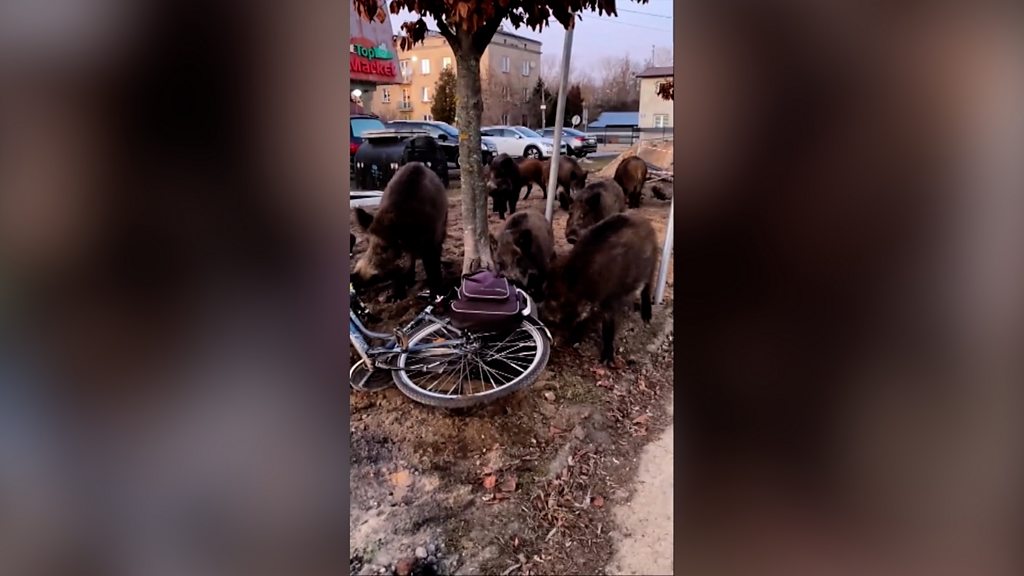
Warsaw, Poland—In the shadow of its historic landmarks and bustling urban life, Warsaw is facing an unprecedented challenge: an invasion of wild boars. Over 3,000 of these animals now roam the city streets, a staggering increase that has sparked public outcry and raised urgent concerns about safety and coexistence. Viral videos capturing surreal encounters—from a humanoid robot chasing boars to the animals stealing sandwiches from cyclists—have gripped global attention. However, beneath the novelty lies a serious issue that underscores the complex relationship between urbanization and wildlife.
A Surge in Wildlife Encounters
Since 2020, reports of wild boar sightings in Warsaw have surged by an astonishing 20-fold, transforming the issue from a sporadic nuisance into a full-blown crisis. The city, known for its lush green spaces and proximity to forests, has long been a habitat for wildlife. However, the rapid encroachment of urban development into natural areas has disrupted ecosystems, pushing wild boars into densely populated neighborhoods.
A recent study highlights the severity of the situation: in 2025 alone, there were 121 documented attacks on humans by wild boars, and 341 incidents of the animals being killed by vehicles. These statistics paint a grim picture of the risks posed to both residents and the animals themselves. Magdalena Młochowska of Green Warsaw, an environmental organization, emphasizes the need for immediate action: “The presence of wild boars in densely built-up areas poses a real threat to the health and lives of residents.”
Global Context: Urbanization and Wildlife Conflict
Warsaw’s wild boar dilemma is not an isolated phenomenon but part of a broader global trend. As cities expand into natural habitats, conflicts between humans and wildlife are becoming increasingly common. From deer roaming suburban neighborhoods in the United States to leopards straying into Indian cities, urban wildlife encounters are on the rise worldwide.
This trend raises critical questions about sustainable urban planning and the preservation of biodiversity. Experts warn that failing to address these conflicts could lead to ecological imbalances, jeopardizing both human safety and wildlife conservation efforts. Warsaw’s struggle with wild boars serves as a stark reminder of the challenges faced by cities worldwide as they grapple with the consequences of unchecked urbanization.
The Task Force: Balancing Human and Animal Needs
In response to the escalating crisis, Warsaw’s municipal government has announced plans to establish a specialized task force to address the issue. The team’s mandate will be to devise strategies aimed at minimizing conflicts between humans and wildlife. This includes evaluating options such as habitat restoration, relocation programs, and public awareness campaigns.
Młochowska stresses the importance of humane and sustainable solutions: “We need to find a way to help minimize conflicts between humans and wildlife while ensuring the well-being of both.” The task force will also collaborate with local environmental organizations and wildlife experts to develop a comprehensive plan that balances urban development with ecological preservation.
Why This Matters Globally
The wild boar crisis in Warsaw is more than a local issue—it is a microcosm of the global challenges posed by urbanization and wildlife displacement. As cities continue to grow, the need for integrated approaches to urban planning becomes increasingly urgent. Ignoring these challenges could exacerbate tensions between humans and wildlife, leading to greater risks for both parties.
Moreover, the situation highlights the importance of public engagement and education in fostering coexistence with wildlife. Viral videos may capture attention, but they also serve as a reminder of the need for informed discussions about the complexities of urban ecosystems.
A Call for Sustainable Solutions
Warsaw’s experience underscores the delicate balance between urban development and environmental preservation. As the city moves forward with its task force initiatives, it sets an example for other urban centers facing similar challenges. The solutions pursued in Warsaw could provide valuable insights for cities worldwide, offering a blueprint for addressing wildlife conflicts in a humane and sustainable manner.
In the end, the wild boar crisis is a test of humanity’s ability to adapt and coexist with the natural world. It is a reminder that cities are not just human habitats but shared spaces that require thoughtful stewardship. As Warsaw takes steps to address this pressing issue, it offers a glimmer of hope for a future where urbanization and wildlife conservation can coexist harmoniously.
The eyes of the world are on Warsaw—not just for its viral moments, but for its efforts to navigate one of the most pressing urban challenges of our time.
