


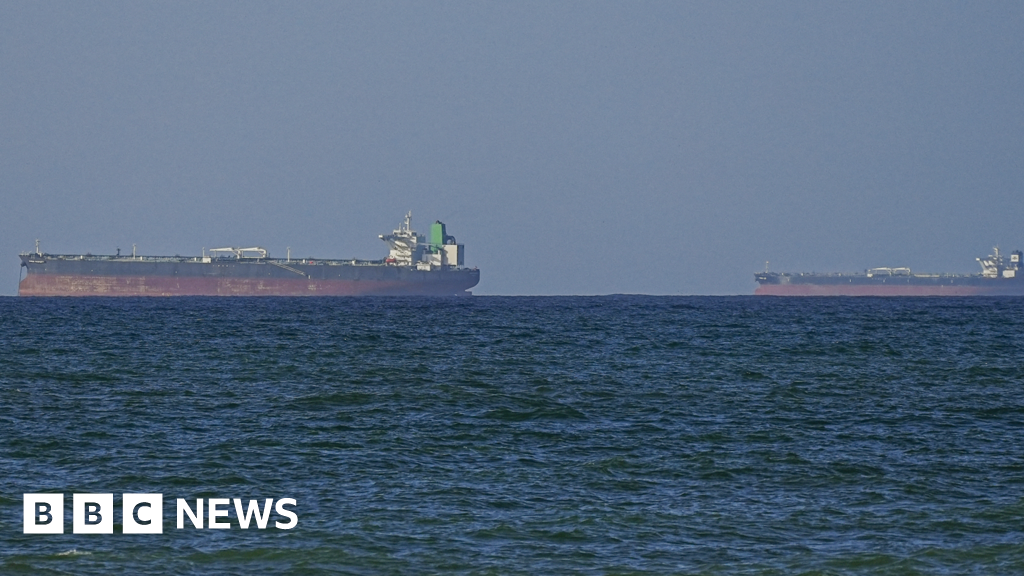

Iranian Forces Strike Cargo Ship in Escalating Maritime Tensions
In a dramatic escalation of tensions in the Persian Gulf, Iranian forces have been accused of heavily damaging a cargo ship in a targeted attack, according to a report published Wednesday by a British maritime agency. The incident, which occurred in one of the world’s most critical waterways, has sparked international concern and raised fears of a broader regional conflict. The attack underscores the fragility of global shipping routes, which are already under strain due to geopolitical instability and the ongoing threat of state-sponsored aggression.
The Incident: What Happened?
The British maritime agency, whose identity has not been publicly disclosed, reported that the cargo ship was struck by Iranian forces in the Persian Gulf. While specific details about the ship’s origin, destination, and cargo remain unclear, the agency emphasized that the vessel suffered “heavy damage.” The attack reportedly involved small boats and armed personnel, a tactic reminiscent of previous Iranian operations in the region.
This incident follows a pattern of heightened maritime aggression by Iran, which has repeatedly targeted commercial shipping in the Persian Gulf and the Strait of Hormuz. These waterways are among the most strategic in the world, facilitating the transport of nearly one-fifth of the global oil supply. Any disruption to this flow has immediate repercussions for global energy markets and international trade.
Global Context: Why This Matters
The Persian Gulf has long been a flashpoint for geopolitical tensions, with Iran and its regional rivals—particularly Saudi Arabia and the United Arab Emirates—engaging in a decades-long struggle for dominance. The Strait of Hormuz, in particular, is a narrow chokepoint that Iran has used as leverage to exert pressure on its adversaries and the broader international community.
Iran’s actions are often seen as a response to crippling economic sanctions imposed by the United States and its allies, which have targeted Tehran’s nuclear program and its support for proxy groups across the Middle East. By targeting commercial shipping, Iran sends a clear message: it has the capability to disrupt global trade and inflict economic pain on its adversaries.
This latest attack comes amid a broader backdrop of escalating tensions in the region. Earlier this year, Iran seized several oil tankers in the Persian Gulf, prompting warnings from Western powers. Meanwhile, the ongoing conflict in Yemen, where Iran-backed Houthi rebels continue to challenge a Saudi-led coalition, has further destabilized the region.
Implications for Global Security
The attack on the cargo ship raises serious concerns about the safety of maritime navigation in the Persian Gulf. The International Maritime Organization (IMO) has repeatedly called for enhanced security measures in the region, but progress has been slow. Shipping companies are increasingly wary of operating in these waters, leading to higher insurance costs and potential disruptions to supply chains.
For global powers, particularly the United States and its allies, Iran’s actions represent a direct challenge to international norms and the rules-based order. The U.S. Navy has a significant presence in the Persian Gulf, and any escalation could force a military response. However, such a move risks triggering a wider conflict that could draw in regional actors and further destabilize the Middle East.
The incident also highlights the vulnerability of global trade routes to state-sponsored aggression. As the world becomes increasingly interconnected, disruptions in one region can have cascading effects on economies thousands of miles away. For example, a prolonged disruption in the Persian Gulf could lead to spikes in oil prices, impacting industries and consumers worldwide.
Human Impact: The Toll on Lives and Livelihoods
While the focus is often on the geopolitical implications of such attacks, it’s important to remember the human cost. The crew members aboard the targeted cargo ship faced immediate danger, and their lives were put at risk. Maritime workers in the region operate under constant threat, knowing that their ships could be the next target of aggression.
Beyond the immediate dangers, disruptions to shipping routes can have far-reaching consequences for communities that rely on global trade. From farmers awaiting essential supplies to manufacturers facing delays in raw materials, the ripple effects of maritime insecurity touch countless lives.
Looking Ahead: What’s Next?
The international community faces a difficult balancing act in responding to Iran’s actions. While punitive measures, such as sanctions or military patrols, may deter future attacks, they also risk escalating tensions further. Diplomatic efforts to engage Iran and address the root causes of its aggression remain fraught with challenges, given Tehran’s deep mistrust of Western powers.
In the short term, shipping companies are likely to increase security measures, including hiring private security teams and rerouting vessels away from high-risk areas. However, such solutions are costly and may not be sustainable in the long run.
Conclusion: A Fragile Balance in a Critical Waterway
The attack on the cargo ship serves as a stark reminder of the fragile balance that underpins global security and commerce. As tensions in the Persian Gulf continue to simmer, the world watches with bated breath, knowing that any misstep could trigger a crisis with far-reaching consequences.
For now, the focus remains on preventing further escalation and safeguarding the vital maritime routes that keep the global economy afloat. But as long as geopolitical rivalries persist, the threat of conflict in this critical waterway will continue to loom large, casting a shadow over the prospects for peace and stability in an increasingly interconnected world.
