



UAE’s Expanding Role in Global Conflicts Raises Alarms
A Shadow War with Global Consequences
The United Arab Emirates (UAE), long seen as a stabilizing economic force in the Middle East, is now under scrutiny for its deepening involvement in multiple global conflicts. According to new research by the Conflict Insights Group (CIG), the UAE has been quietly expanding its military and political influence across Africa, the Middle East, and beyond—raising concerns about escalating proxy wars, arms proliferation, and regional destabilization. While Abu Dhabi presents itself as a mediator, evidence suggests a more aggressive strategy: funding militias, supplying drones, and backing authoritarian regimes. The implications stretch far beyond the Gulf, threatening global security and economic stability.
The UAE’s Expanding Footprint in Africa
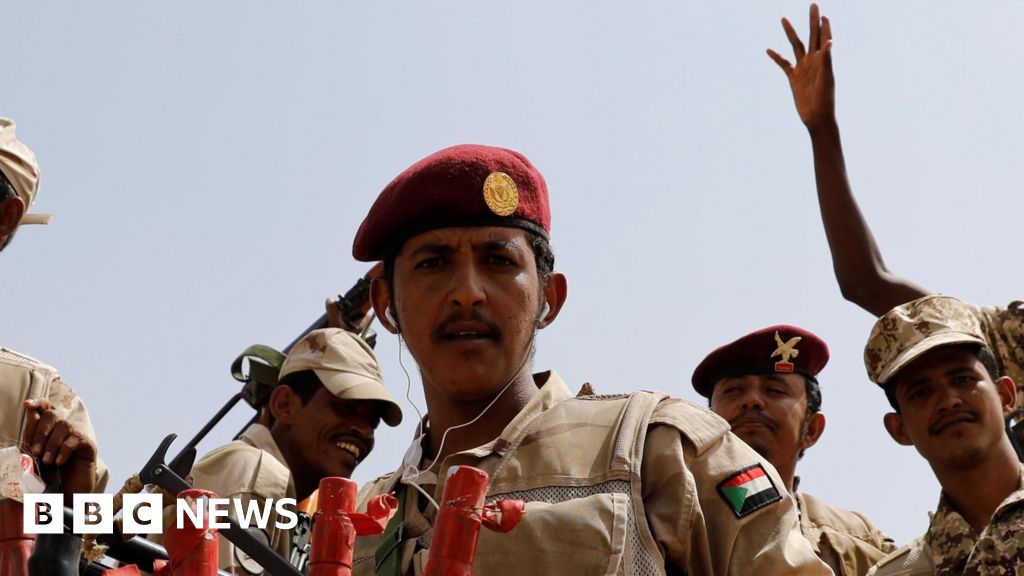
The CIG report highlights the UAE’s growing footprint in Africa, where it has been accused of fueling conflicts through arms deals and private military contractors. In Sudan, Emirati-supplied drones have played a decisive role in the civil war, tipping the balance in favor of the Rapid Support Forces (RSF). Meanwhile, in Libya, the UAE has backed warlord Khalifa Haftar, undermining UN-backed peace efforts.
This strategy aligns with Abu Dhabi’s broader ambitions: securing ports, controlling trade routes, and countering rivals like Turkey and Qatar. But the human cost is staggering. Millions have been displaced, and fragile governments risk collapse—creating fertile ground for extremism and mass migration.
Middle East: A Network of Proxy Wars
The UAE’s involvement is even more pronounced in the Middle East. In Yemen, it once fought alongside Saudi Arabia against Houthi rebels but later shifted to backing separatist factions, fragmenting the conflict further. Reports also suggest covert Emirati support for armed groups in Syria, complicating an already intractable war.
Abu Dhabi’s alliances are often transactional. It has partnered with Russia in Libya, Israel in intelligence-sharing, and even maintained discreet ties with Iran—despite publicly opposing Tehran. This realpolitik approach makes the UAE a powerful but unpredictable player, capable of both fueling and freezing conflicts at will.
Why This Matters Globally
The UAE’s actions have ripple effects far beyond the region:
- Energy Security: The Gulf is a critical oil and gas supplier. Escalating conflicts could disrupt global markets.
- Migration Crises: Destabilized nations produce refugees, straining Europe and neighboring states.
- Arms Proliferation: Emirati drone exports and mercenary networks risk falling into extremist hands.
- Great Power Rivalry: The UAE’s partnerships with Russia, China, and the West create diplomatic minefields.
Western governments face a dilemma. The UAE is a key trade and counterterrorism partner, yet its interventions often contradict international law. Balancing these interests is becoming increasingly difficult.
A Call for Accountability
The CIG’s findings demand scrutiny. If the UAE continues unchecked, its shadow wars could ignite larger confrontations—pulling in global powers and worsening humanitarian disasters. The world must decide: will it turn a blind eye to destabilizing actions for short-term gains, or push for transparency and restraint?
The stakes could not be higher. In an era of fractured alliances and rising militarization, the UAE’s ambitions may reshape the world—for better or worse.
