



Asian Equities Braced for Volatility as Iran Tensions Threaten Global Markets
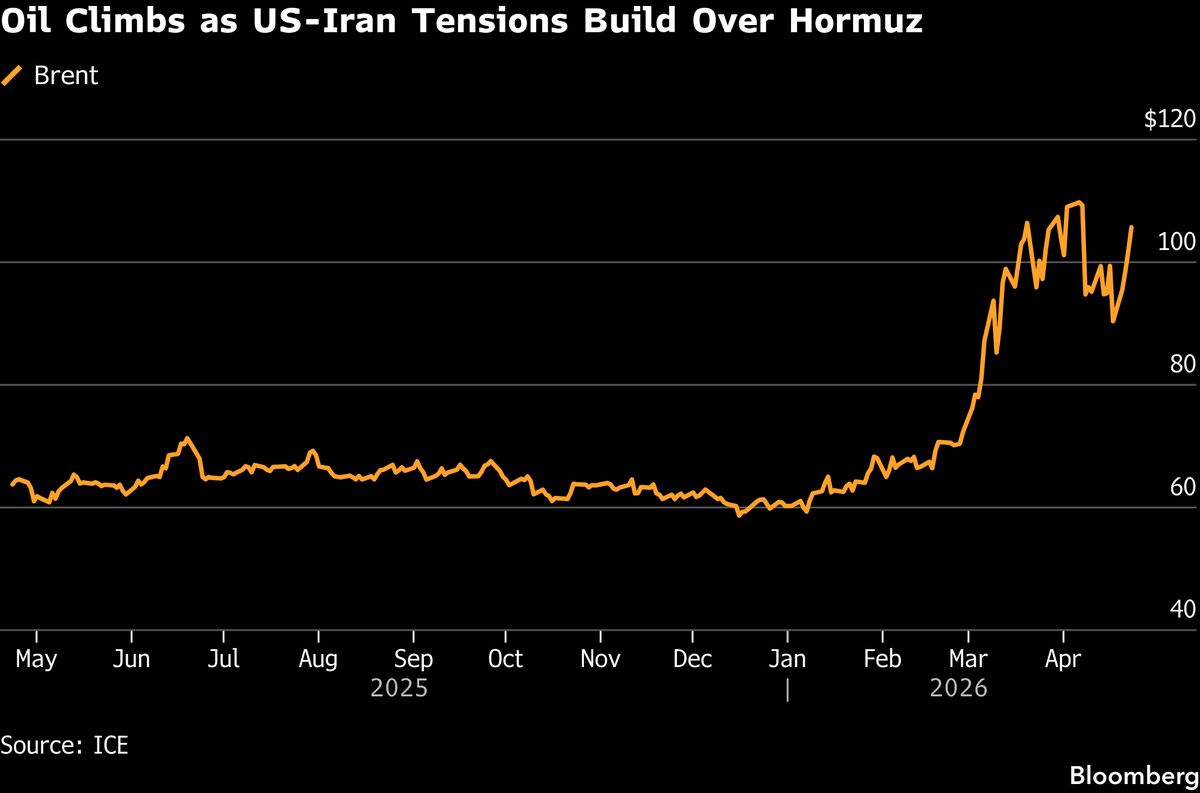
As dawn breaks across Asia, financial markets are preparing for a turbulent trading session, with equities poised to open lower following a sharp decline on Wall Street. The growing geopolitical tensions in the Middle East, particularly the escalating conflict between Iran and global powers, have reignited fears of prolonged disruptions to one of the world’s most critical shipping routes—the Strait of Hormuz. Investors, already grappling with inflationary pressures and slowing global growth, are now bracing for the potential fallout from a protracted crisis in the region, which could reverberate across global markets.
Wall Street Sets the Tone
The Dow Jones Industrial Average, S&P 500, and Nasdaq Composite all closed in the red on Wednesday, marking one of the worst trading sessions in recent weeks. The sell-off was fueled by mounting concerns over Iran’s latest military maneuvers and its implications for global energy supplies. Analysts noted that the uncertainty surrounding Iran’s intentions has created a risk-off sentiment, prompting investors to flee equities and seek refuge in traditional safe-haven assets such as gold and U.S. Treasuries.
The Strait of Hormuz, a narrow waterway connecting the Persian Gulf to the Gulf of Oman, serves as a vital artery for global oil trade, with an estimated 20% of the world’s petroleum passing through it daily. Any prolonged disruption to this route could send oil prices soaring, exacerbating inflationary pressures and further straining economies already struggling with the aftershocks of the COVID-19 pandemic and the ongoing war in Ukraine.
Asia’s Vulnerability to Geopolitical Shocks
Asian markets, heavily reliant on energy imports, are particularly vulnerable to disruptions in oil supply. Countries such as Japan, South Korea, and India are among the largest importers of crude oil from the Middle East, and any sustained spike in energy prices could weigh heavily on their economies. Additionally, China, the region’s largest economy, is already facing headwinds from a property sector crisis and sluggish consumer demand. A further escalation in the Iran conflict could complicate Beijing’s efforts to stabilize its economy, adding to the region’s challenges.
The potential for geopolitical instability is also casting a shadow over corporate earnings. Many Asian companies, particularly those in the manufacturing and export sectors, operate on thin profit margins and are highly sensitive to fluctuations in energy and transportation costs. Analysts warn that prolonged disruptions could erode profitability and dampen investor confidence, leading to further equity market declines.
Historical Context and Broader Implications
The Strait of Hormuz has long been a flashpoint in global geopolitics. Over the years, tensions between Iran and Western powers have periodically flared up, leading to temporary disruptions in oil shipments. However, the current situation appears more volatile, with Iran’s leadership adopting a more confrontational stance in response to international sanctions and diplomatic isolation.
The recent escalation comes amid stalled negotiations to revive the 2015 Iran nuclear deal, formally known as the Joint Comprehensive Plan of Action (JCPOA). The agreement, which aimed to curb Iran’s nuclear program in exchange for sanctions relief, has been in limbo since the United States withdrew from the pact in 2018 under the Trump administration. Efforts to resurrect the deal under President Biden have so far yielded little progress, leaving Tehran increasingly emboldened to assert its influence in the region.
The potential consequences of a full-blown crisis in the Strait of Hormuz extend beyond energy markets. The waterway is also a critical conduit for liquefied natural gas (LNG) exports, which have become increasingly important as Europe seeks to reduce its reliance on Russian gas following the invasion of Ukraine. Any disruption to LNG shipments could exacerbate energy shortages in Europe, further complicating the continent’s efforts to navigate a challenging winter.
Global Markets on Edge
Investors worldwide are closely monitoring developments in the Middle East, with many adopting a cautious stance. In addition to the decline in U.S. equities, European markets also experienced losses on Wednesday, reflecting the interconnected nature of global financial systems. The ripple effects of the Iran conflict are likely to be felt across asset classes, from commodities to currencies.
Gold, often regarded as a hedge against geopolitical uncertainty, has seen renewed demand, with prices climbing to their highest level in weeks. Meanwhile, the U.S. dollar has strengthened as traders seek safety in the world’s reserve currency. The combination of a stronger dollar and higher oil prices could pose challenges for emerging markets, which often face higher borrowing costs and inflationary pressures under such conditions.
What Lies Ahead?
The immediate focus for markets will be on Iran’s next moves and the international community’s response. Diplomatic efforts to de-escalate tensions remain the preferred course of action, but the path to resolution is fraught with challenges. Analysts caution that any miscalculation or provocative action could swiftly escalate the situation, with far-reaching implications for global stability.
For now, investors are advised to remain vigilant and prepared for heightened volatility. While the current sell-off in equities reflects caution rather than panic, the situation remains fluid, and further developments could quickly alter market dynamics.
Conclusion
As Asian markets brace for a challenging trading session, the unfolding crisis in the Strait of Hormuz serves as a stark reminder of the fragility of global peace and the interconnectedness of modern economies. While geopolitical tensions are inherently unpredictable, their impact on markets is undeniable. For now, investors must navigate a landscape shaped by uncertainty, weighing risks and opportunities with care. The world will be watching closely as events unfold, hoping for a resolution that averts further disruption to an already fragile global economy.
