


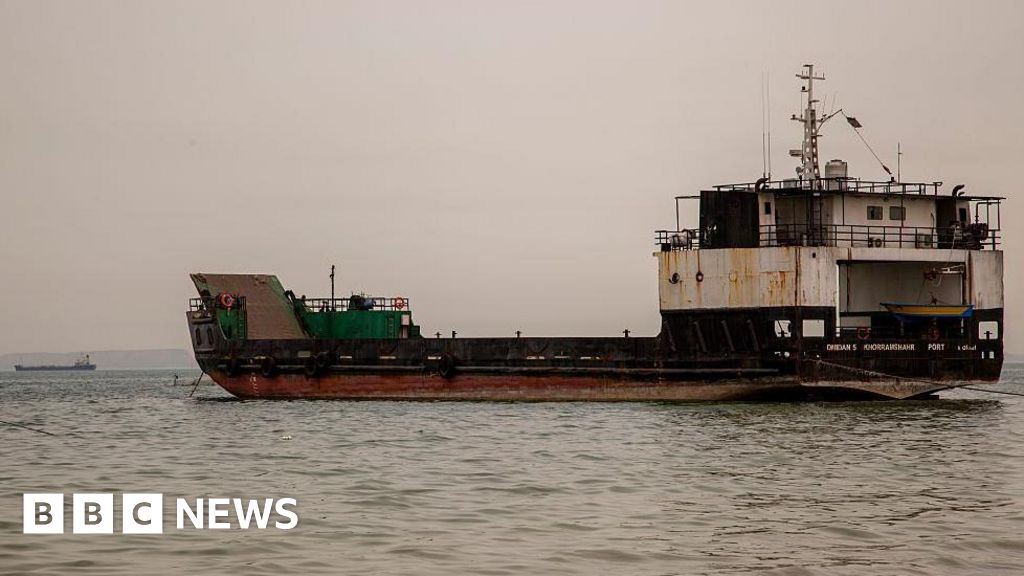

Tensions Escalate as Iran Accuses US and Israel of Sabotaging Strait Negotiations
A Dangerous Standoff Threatens Global Trade
The Strait of Hormuz, a narrow but vital maritime passage through which nearly a third of the world’s seaborne oil flows, is once again at the center of a geopolitical storm. Iran’s chief negotiator has declared that alleged “violations” by the United States and Israel have derailed diplomatic efforts to ensure safe passage, raising fears of renewed conflict in one of the world’s most volatile regions. With global energy markets already strained by war in Europe and economic instability, any disruption here could send shockwaves through the international economy.
Iran’s Allegations and the Stalled Negotiations
In a sharply worded statement, Iran’s lead negotiator accused the US and Israel of undermining talks aimed at preventing military confrontations in the strait. While specifics of the alleged violations remain unclear, Iranian officials suggest that recent US sanctions and Israeli covert operations have violated previous understandings.
The Strait of Hormuz has long been a flashpoint. Iran has repeatedly threatened to close it in response to Western pressure, particularly over its nuclear program. The latest breakdown in negotiations signals a hardening stance from Tehran, which has grown increasingly assertive amid stalled efforts to revive the 2015 nuclear deal.
Global Implications: Why This Matters
The stakes could not be higher. Approximately 21 million barrels of oil pass through the strait daily, supplying critical energy to Asia, Europe, and beyond. Any blockade—even temporary—would trigger immediate price spikes, exacerbating inflation and economic instability worldwide.
Beyond economics, the situation risks direct military confrontation. The US Navy’s Fifth Fleet, based in Bahrain, has repeatedly warned it will ensure freedom of navigation, while Iran has conducted missile tests and naval drills in the area. A single miscalculation could spiral into open conflict, dragging in regional players like Saudi Arabia and further destabilizing the Middle East.
Historical Context: A Recurring Flashpoint
This is not the first time Iran has threatened the strait. During the “Tanker Wars” of the 1980s, Iran and Iraq attacked commercial vessels, prompting US intervention. More recently, in 2019, Tehran seized foreign tankers and was accused of attacking ships with mines—a charge it denied.
The current tensions come as indirect US-Iran talks remain deadlocked. Washington insists on stricter nuclear controls, while Tehran demands sanctions relief. Israel, meanwhile, has openly opposed any concessions to Iran, conducting a shadow campaign of sabotage and assassinations targeting its nuclear program.
What Happens Next?
Diplomatic channels remain open, but prospects for a swift resolution appear dim. Analysts warn that without de-escalation, the risk of accidental conflict grows. The US and its allies may increase naval patrols, while Iran could resort to further shows of force, such as drone swarms or missile tests.
For now, global markets remain cautiously optimistic, betting on restraint from all sides. But as history has shown, the Strait of Hormuz is where rhetoric can quickly turn into reality—with consequences far beyond the Persian Gulf.
A Looming Crisis With No Easy Solutions
The world is watching nervously as tensions rise in one of its most critical trade arteries. With diplomacy faltering and accusations flying, the risk of a miscalculation grows by the day. Whether through renewed negotiations or heightened military posturing, the coming weeks will determine whether the strait remains open—or becomes the next battleground in an already fractured global order. For now, the only certainty is that the stakes are far too high for complacency.
