


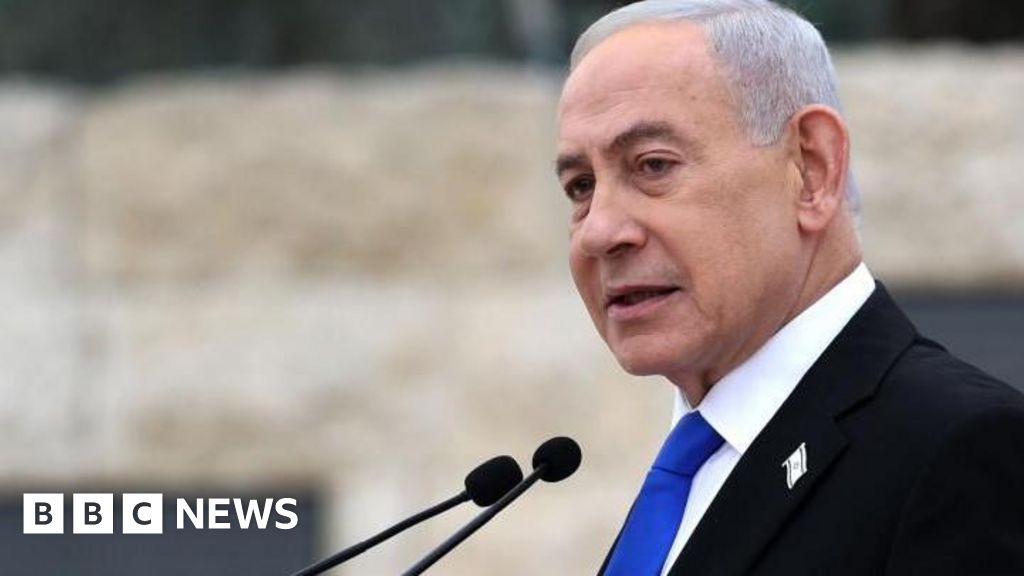

Israeli Prime Minister Recovers After Surgery as Global Leaders Watch Closely
Dramatic Health Scare Amidst Rising Geopolitical Tensions
Israeli Prime Minister Benjamin Netanyahu has reassured the nation and the world of his stable health following the successful removal of a malignant tumor. The 74-year-old leader, currently embroiled in one of Israel’s most turbulent political and military periods, underwent the procedure without complications, according to his medical team. The announcement comes at a critical juncture, with Israel engaged in a protracted war against Hamas in Gaza and escalating confrontations with Hezbollah along its northern border. The prime minister’s health has immediate implications not only for Israel’s domestic stability but also for the broader Middle East, where his leadership remains a focal point in regional security dynamics.
Netanyahu’s Surgery: Timing and Political Ramifications
Netanyahu’s surgery, described as minor but urgent, was conducted under full anesthesia at a Tel Aviv hospital. His office confirmed the tumor was “localized and completely removed,” with no further treatment required. The prime minister later released a video statement declaring himself in “excellent physical condition” and ready to resume duties.
The timing is politically sensitive. Netanyahu’s coalition government, already facing internal divisions over military strategy and hostage negotiations, cannot afford a leadership vacuum. With protests against his administration growing and opposition leaders questioning his wartime decision-making, any prolonged absence could have destabilizing consequences. Analysts suggest that even a brief health scare may embolden political rivals, including war cabinet members Benny Gantz and Yoav Gallant, who have occasionally clashed with Netanyahu over Gaza’s postwar future.
Global Reactions and Leadership Stability Concerns
World leaders have cautiously acknowledged Netanyahu’s recovery, with the White House and several European governments issuing statements of support. The U.S., Israel’s closest ally, has a vested interest in his continuity, given ongoing negotiations for a Gaza ceasefire and hostage deal. However, some diplomats privately express concerns over Israel’s long-term political direction, particularly if Netanyahu’s health were to deteriorate.
In the Middle East, reactions are mixed. Arab states engaged in normalization talks with Israel, such as Saudi Arabia, are closely monitoring the situation, wary of potential policy shifts. Meanwhile, Iran-backed groups like Hamas and Hezbollah may see an opportunity to exploit perceived vulnerabilities in Israeli leadership.
Why This Matters Beyond Israel’s Borders
The health of a sitting leader during wartime is never just a domestic issue. Netanyahu’s condition carries weight for several reasons:
- Military Strategy: Israel’s campaign in Gaza remains unresolved, with no clear exit plan. A weakened or distracted leadership could delay critical decisions, prolonging the conflict.
- U.S.-Israel Relations: Washington’s patience with Netanyahu’s government is thinning, particularly over civilian casualties in Gaza. A leadership crisis could strain this alliance further.
- Regional Escalation Risks: If adversaries perceive Israeli decision-making as compromised, it could encourage further attacks from Lebanon or Yemen, widening the war.
- Hostage Diplomacy: Ongoing negotiations involving Qatar, Egypt, and the U.S. require steady Israeli leadership. Any disruption could derail fragile progress.
Historical Precedents and Leadership in Crisis
Netanyahu’s situation is not unique. Leaders like French President Emmanuel Macron and former U.S. President Ronald Reagan have faced health scares while in office, triggering debates about succession and governance continuity. However, Israel’s current security environment—with daily rocket exchanges, international legal pressure, and rising domestic dissent—makes Netanyahu’s resilience particularly consequential.
Medical experts note that modern surgical advancements mean many leaders can return swiftly to duty. Yet, in Netanyahu’s case, the psychological impact on public and military morale cannot be ignored. His image as an unshakeable figure has been central to Israel’s wartime narrative; any suggestion of fragility could alter that perception.
Looking Ahead: What Comes Next?
For now, Netanyahu appears determined to project strength. His immediate return to work signals business as usual, but behind the scenes, Israel’s political and security apparatus will be preparing for all contingencies. The coming weeks will test whether his health scare becomes a footnote or a turning point in an already volatile chapter for the region.
As global attention remains fixed on Gaza and Lebanon, Netanyahu’s personal ordeal serves as a reminder of how quickly leadership stability can shift in times of war. In an era where geopolitical fault lines are increasingly unstable, the world will be watching—not just the battlefield, but also the operating room.
