


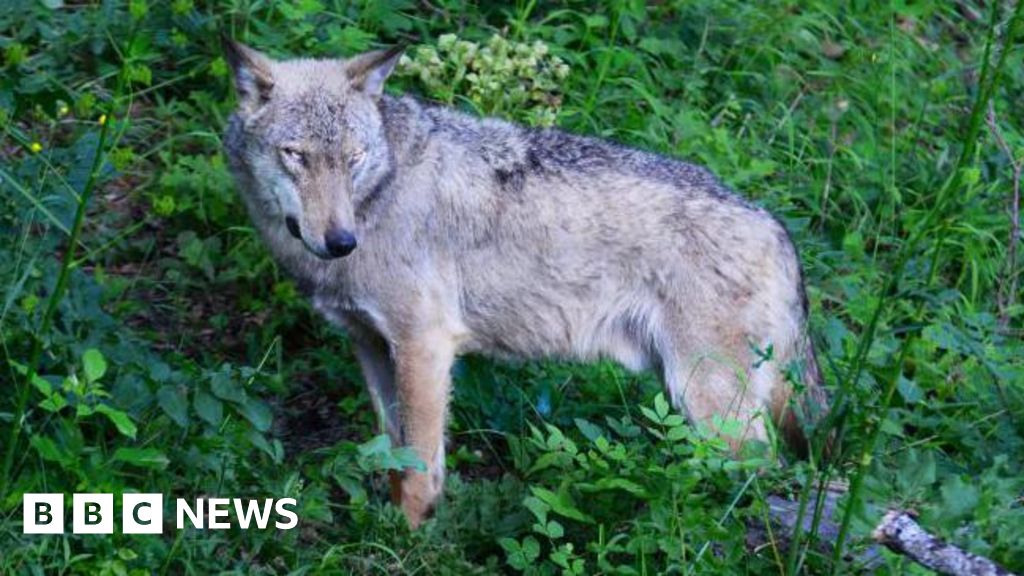

Italy Grapples with Escalating Wolf Killings as National Debate Ignites
Rome, Italy – October 2023
The tranquil forests of Italy have become the backdrop for a growing crisis that has sent shockwaves across the nation. In recent weeks, a spate of wolf killings has sparked outrage, ignited political debates, and raised urgent questions about the delicate balance between human activity and wildlife preservation. The killings, described as “horrendous and serious” by Italy’s Environment Minister Gilberto Pichetto Fratin, have underscored the complexities of managing predator populations in a rapidly changing world. As Italy grapples with this issue, the implications extend far beyond its borders, touching on global themes of biodiversity, conservation, and human-wildlife conflict.
A Growing Crisis in Italy’s Wilderness
Wolves, once on the brink of extinction in Italy, have made a remarkable comeback in recent decades thanks to stringent conservation efforts. Today, an estimated 2,000 wolves roam the country’s forests and mountainous regions. However, their resurgence has not been without friction. Farmers and rural communities have long complained about wolves preying on livestock, leading to economic losses and heightened tensions.
The recent killings, however, represent a disturbing escalation. While details remain scarce, reports suggest that several wolves have been poisoned or shot in rural areas. These incidents have drawn condemnation from environmentalists, who argue that such actions threaten the fragile recovery of Italy’s wolf population. Minister Fratin has been vocal in his response, emphasizing that the protection of wolves is “crucial to the balance of our ecosystem.”
Global Context: The Broader Debate on Predator Conservation
Italy’s struggle with wolf killings is not an isolated phenomenon. Across Europe, North America, and other regions, the resurgence of predator species—such as wolves, bears, and lynxes—has reignited debates about coexistence. In the United States, for example, the reintroduction of gray wolves in Yellowstone National Park has been both celebrated and contested, with ranchers in surrounding areas expressing concerns about livestock predation.
Similarly, in Scandinavia, the return of wolves has led to heated discussions about hunting quotas and land use. These global parallels highlight a universal challenge: as ecosystems recover and predator populations rebound, societies must navigate the competing demands of conservation, agriculture, and economic livelihoods.
Why This Matters: Biodiversity at a Crossroads
The killing of wolves in Italy is not just a national issue; it has global ramifications. Wolves play a critical role in maintaining ecological balance by controlling prey populations and promoting biodiversity. Their presence is often seen as an indicator of a healthy ecosystem. However, their recovery also exposes the vulnerabilities of conservation efforts in the face of human conflict.
The ongoing debate in Italy underscores the broader challenge of achieving a sustainable coexistence between humans and wildlife. As climate change accelerates and human activities encroach on natural habitats, such conflicts are likely to intensify. The outcome of Italy’s response to this crisis could serve as a bellwether for how other nations address similar issues in the future.
Political and Social Tensions Boil Over
The wolf killings have also exposed deep divisions within Italian society. On one side, conservationists and environmental organizations are calling for stricter enforcement of wildlife protection laws. On the other, farmers and rural residents argue that their livelihoods are under threat and that more needs to be done to mitigate the risks posed by wolves.
The Italian government finds itself walking a tightrope, attempting to balance these competing interests. While Minister Fratin has reaffirmed the importance of wolf conservation, there is growing pressure to implement measures that address the concerns of rural communities. Potential solutions include compensation schemes for livestock losses, increased funding for non-lethal deterrence methods, and enhanced monitoring of wolf populations.
A Test for Italy’s Environmental Leadership
Italy’s handling of this crisis will be closely watched by the international community. As a signatory to the Convention on Biological Diversity, Italy has a responsibility to uphold global conservation goals. The outcome of this debate will not only shape the future of Italy’s wolf population but also influence broader conversations about how nations balance ecological preservation with economic development.
Conclusion: A Call for Coexistence
The wolf killings in Italy serve as a stark reminder of the challenges facing biodiversity conservation in the 21st century. As predator populations recover, societies must confront difficult questions about coexistence, land use, and resource management. This crisis is not confined to Italy; it is a microcosm of a global struggle to reconcile human progress with environmental stewardship.
The stakes are high, and the world is watching. How Italy responds to this crisis could set a precedent for other nations grappling with similar dilemmas. In the end, the goal must be clear: to find a way for humans and wildlife to share the planet sustainably, ensuring that both can thrive for generations to come. The path forward demands dialogue, innovation, and a shared commitment to the preservation of our natural world.
