


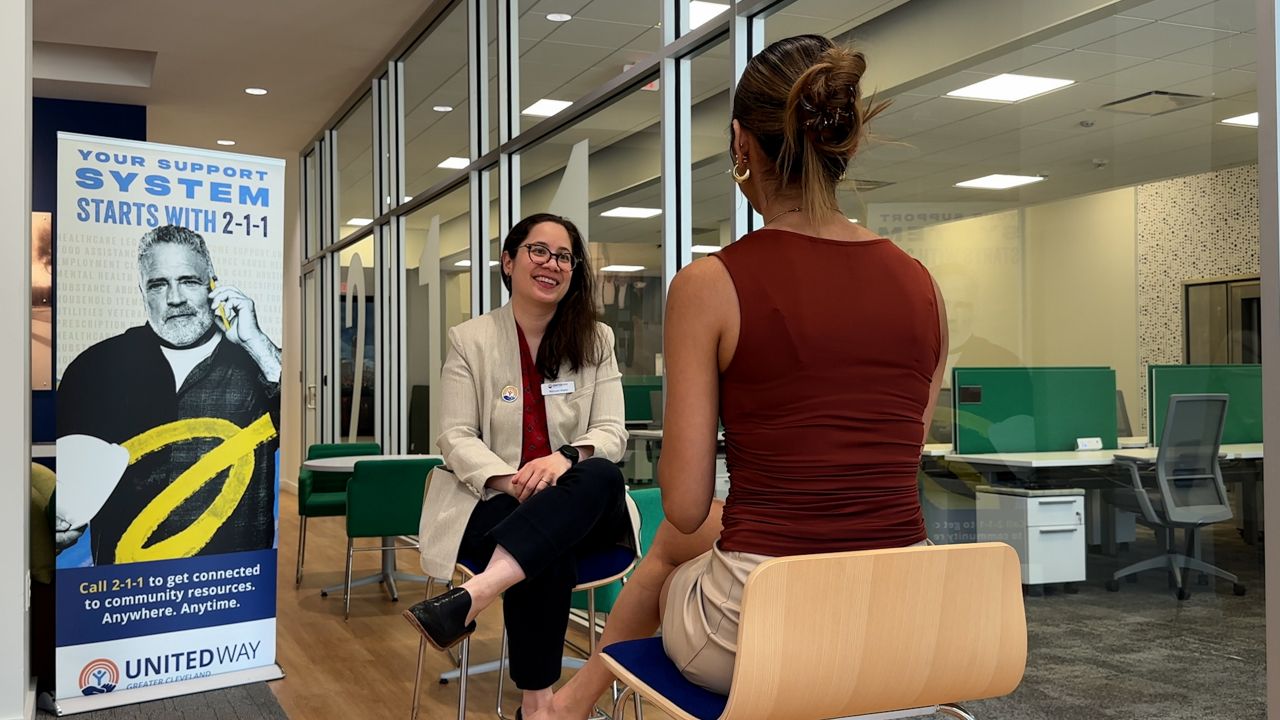

Ohio’s 211 Hotline Expands Statewide, Connecting 800,000 Residents to Vital Resources
CLEVELAND — More Ohioans in need will soon have access to critical social services as the state’s 211 helpline expands to cover all 88 counties, nonprofit leaders announced this week.
Last year, nearly 800,000 residents dialed the free, 24/7 hotline—run by United Way—seeking help with housing, food, healthcare, job training, and other essentials. Now, underserved regions, including high-poverty areas in southeast and northwest Ohio, will finally gain full access to the lifeline.
Bridging the Gap in Underserved Counties
For years, 30 Ohio counties lacked full coverage, leaving vulnerable residents without a centralized way to find assistance. Stark and Erie Counties, two of the most recent additions, had been without 211 services since before the COVID-19 pandemic.
“These are communities with some of the highest poverty rates, drug overdoses, and unemployment in the state,” said Maryam Kiefer, senior director of public policy at United Way of Greater Cleveland. “Expanding 211 means more people can get the help they need before a crisis escalates.”
The hotline connects callers to nearly 1,700 agencies offering everything from emergency shelter to addiction recovery support. Data collected from calls—kept anonymous—helps nonprofits and policymakers identify gaps in services and allocate funding more effectively.
A Lifeline for Families in Crisis
The Ohio Department of Children & Youth (DCY) is partnering with United Way to ensure families with young children can access resources faster. DCY Director Kara Wente said many parents struggle to navigate complex social services while dealing with urgent needs like hunger or homelessness.
“Parents tell us they need someone to talk to—someone who can guide them when they don’t know where to start,” Wente said. The department recently launched a Parent and Youth Ambassadors program to gather firsthand feedback from struggling families.
United Way is also sharing its extensive database with DCY, making it easier to refer families to programs like Head Start, utility assistance, and job training.
Stark County’s Long-Awaited Return to 211
In Stark County, where 211 services had lapsed, community leaders say the revival couldn’t come soon enough.
“People don’t always know where to turn,” said Rodney Reasonover, CEO of the Stark County Community Action Agency. His organization helps low-income families with housing, energy bills, and early childhood education. Now, with 211 back online, residents will have a single point of contact for local aid.
“This is a game-changer,” Reasonover said. “We’re urging everyone who needs help to call.”
How 211 Works
- Free, confidential, and available 24/7 in multiple languages.
- Connects callers to food banks, mental health services, legal aid, and more.
- Data-driven: Call trends help shape future funding decisions.
Ohio Governor Mike DeWine has backed the expansion, calling it a crucial step in addressing systemic poverty and addiction. Nonprofits hope the wider reach will reduce barriers for those who’ve previously struggled to find help.
“No one should have to navigate hardship alone,” Kiefer said. “211 is here to make sure they don’t have to.”
— Reported by Nexio News
