



Historic Cincinnati Church Fights to Survive as Funds Dwindle
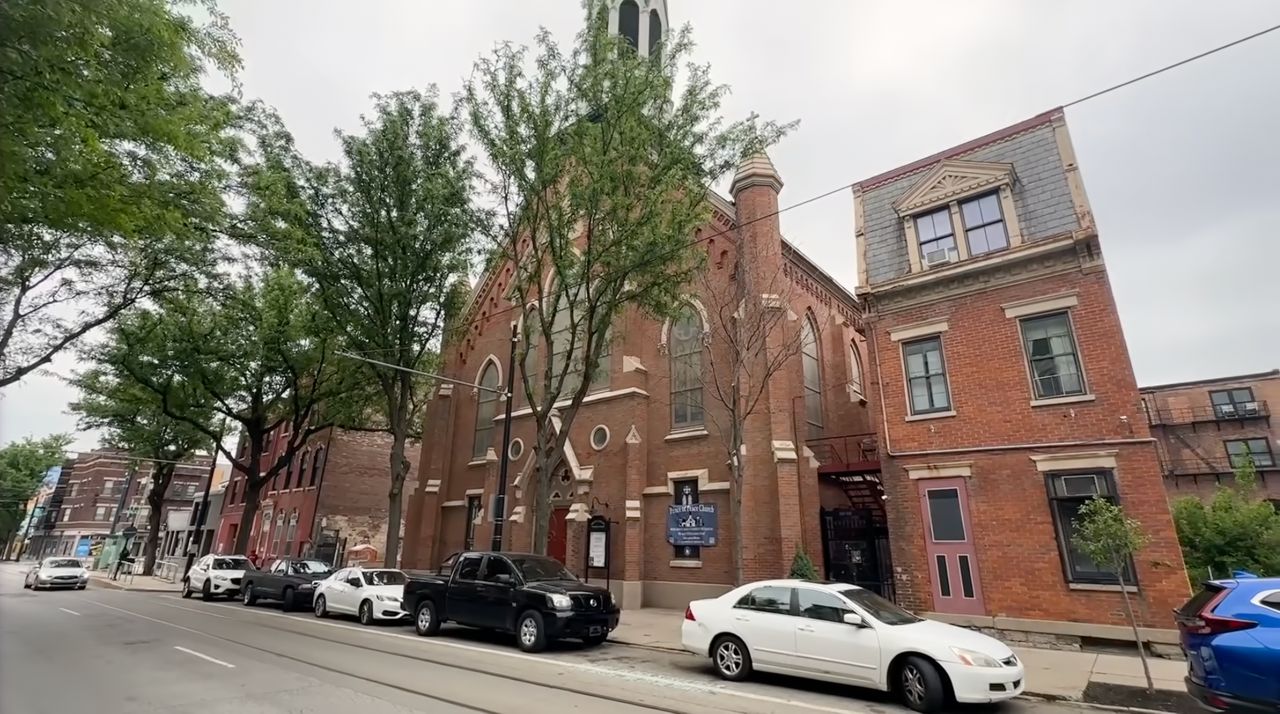
CINCINNATI — A 19th-century church in the heart of Cincinnati’s Over-the-Rhine neighborhood is battling to stay open as its financial lifeline nears exhaustion. Prince of Peace Lutheran Church, a landmark with deep roots in the city’s immigrant history, now relies on community support to avoid closing its doors.
Founded in 1848 by German immigrants, the church has been a spiritual and social anchor for generations. Its iconic building, erected in 1871, has weathered economic shifts and urban changes while serving as a refuge for the vulnerable. But with its endowment dwindling and membership down to just 30 congregants, the church’s future hangs in the balance.
A Legacy of Service
For decades, Prince of Peace has been more than a place of Sunday worship. It has opened its doors as a winter warming shelter, hosted mentorship programs, and provided critical outreach to neighbors in need.
“The church was always a hub for the community,” said John Meyer, the congregation’s president. “Now, as Over-the-Rhine evolves, we want to ensure it remains a vital part of that renewal.”
Ted Sippel, a member since 1967, recalls decades of service that transformed lives. “We’ve made a difference here,” he said. “This church has touched people when they needed it most.”
Financial Crisis Looms
The church’s survival has long been propped up by an endowment, but those funds are running dry. Without a new financial strategy, the congregation could face impossible choices.
“An endowment isn’t sustainable forever,” Meyer admitted. “Our real solution lies in rebuilding ties with the community.”
To stay afloat, leaders have launched fundraising campaigns and revived outreach programs, including free community dinners. Donations will help maintain the aging building—a historic gem requiring costly repairs.
A Neighborhood in Flux
Over-the-Rhine, once a bustling German enclave, has seen waves of change. As new residents and businesses move in, the church hopes to redefine its role.
“We’re adapting,” Meyer said. “This isn’t just about preserving the past—it’s about being relevant for the future.”
For now, the small but determined congregation remains committed. “I’ll do whatever it takes to keep this place alive,” Sippel said. “The community still needs us.”
— Reported by Nexio News
